 Lingard
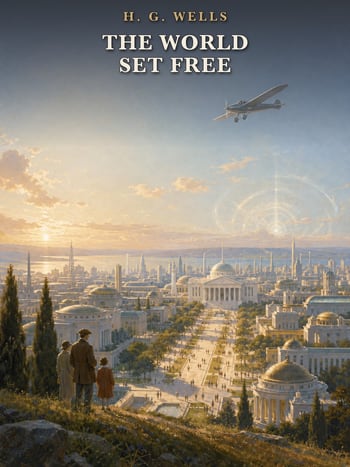
The World Set Free
H. G. Wells
The World Set Free — After learning of atomic physics, H. G. Wells began to think of its potential impact on human society. In the 1914 novel The World Set Free, atomic energy causes massive unemployment, shaking the already fragile social order. The ambitious powers of the world decide to seize the opportunity to compete for dominance, and a world war breaks out, echoing the looming Great War about to ignite in 1914. Waking to the catastrophe, humanity begins the hard search for a way into a better future. The novel traces a soldier, an ex-king, a despot, and a sage through a profound transformation of human society, and we gain a window into Wells’ own thoughts and hopes along the way. The novel offers an early fictional portrayal of atomic energy and its destructive potential, imagining atomic bombs dropped from aircraft. Wells may also have influenced the development of nuclear weapons: the physicist Leó Szilárd read the novel in 1932 and conceived the idea of a neutron chain reaction in 1933, a concept crucial to the later development of the atomic bomb.
Get startedNot sure about your level? English level test
 Short Fiction
 Star Hunter
 The Time Traders
 R.U.R.
 Short Fiction
 Frankenstein
 The Strange Case of Dr. Jekyll and Mr. Hyde
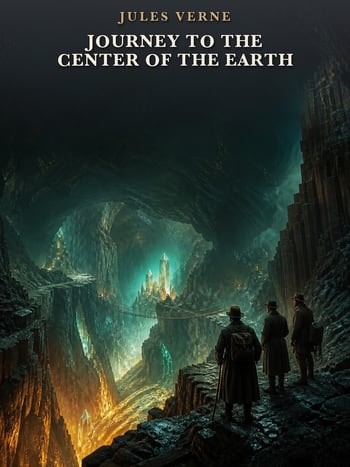 Journey to the Center of the Earth
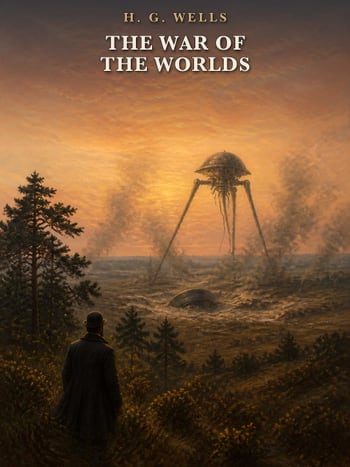 The War of the Worlds
 Gladiator
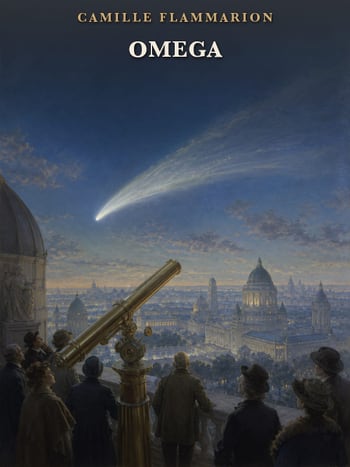 Omega
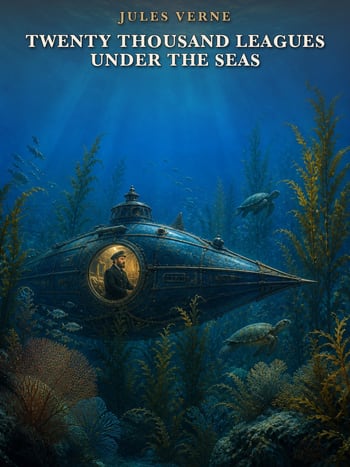 Twenty Thousand Leagues Under the Seas