 Lingard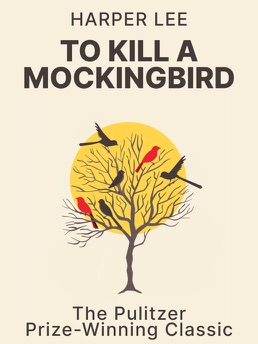
To Kill a Mockingbird
Harper Lee
This article offers an overview and analysis of the novel To Kill a Mockingbird. Harper Lee's iconic work is a profound narrative set in the Deep South during the Great Depression, vividly narrated through the eyes of young Scout Finch. It delves into themes of racial injustice, moral courage, and the innocence of childhood as Scout, her brother Jem, and their principled father, a lawyer, navigate the complexities of their racially divided community. The father's defense of a black man unjustly accused of a crime against a white woman serves as a central plot point, highlighting the entrenched prejudices and the bravery required to confront them. Themes of empathy and understanding are woven throughout, especially in the children's evolving perceptions of their mysterious neighbor, Boo Radley, who emerges as an unexpected protector in a climactic act of courage. The narrative, enriched with symbols such as the mockingbird and the Radley house, challenges readers to reflect on their views of justice, empathy, and human decency, making it a timeless exploration of the human condition and societal flaws.
Get startedNot sure about your level? English level test
 Poor Things
 Schindler's List
 1984
1984
 Animal Farm
 Romeo and Juliet
 Dune
Dune
 A Feast for Crows Book 4
 The Devil Wears Prada
 Harry Potter and the Philosopher's Stone
 Me Before You
 Harry Potter and the Half-Blood Prince
 Harry Potter and the Chamber of Secrets