Lingard
German books
Cover of Die Geschichte der Accessoires: Wie sie unser Verständnis von Stil verändert haben
B2 · 505 words · German

Die Geschichte der Accessoires: Wie sie unser Verständnis von Stil verändert haben

Lingard

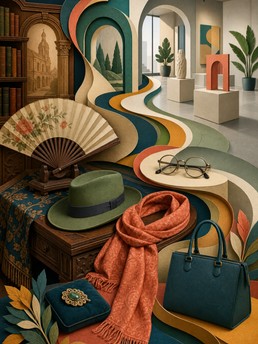
Throughout history, accessories have been more than simple fashion adornments; they have been integral to cultural, social and individual identity expression. In ancient civilizations, they symbolized wealth and status, while in the Middle Ages they served both functional and symbolic purposes. The Renaissance period increased their artistic significance, and the Industrial Revolution democratized them by making fashion accessories accessible to a wider segment of the population. In the 20th century, accessories evolved into a medium for personal expression, aligning with societal changes and the emergence of designer brands. Today, they reflect the eclectic nature of contemporary fashion and a growing interest in sustainability and technological integration. In the future, the role of accessories is expected to expand into personalized and innovative areas, continuing to shape and reflect our understanding of style and identity.

Get started

Not sure about your level? German level test
Words you’ll meet

The words readers of this text looked up most, each with its meaning and the line it comes from.

Verzierungen / fɛɐ̯ˈtsiːrʊŋ /noun

ornaments

Accessoires waren schon immer mehr als nur Verzierungen; sie sind Geschichtenerzähler der Zeit, Kultur und persönlichen Ausdrucks.

Accessories have always been more than just ornaments; they are storytellers of time, culture, and personal expression.

DekorationenAusschmückungen

gestaltete / ɡəˈʃtaltət /verb

designed

Aufwendig gestaltete Stücke mit exquisiter Handwerkskunst wurden bei den Reichen beliebt.

Elaborately designed pieces with exquisite craftsmanship became popular with the wealthy.

entwerfenformenbilden

geschätzt / ɡəˈʃɛt͡st /verb

valued

Perlen und Edelsteine wurden hoch geschätzt.

Pearls and gemstones were highly valued.

achtenhonorieren

das Zeichen / das ˈzaɪ̯çn̩ /noun

tokens

Ritter trugen Zeichen von ihren Damen.

Knights wore tokens from their ladies.

Symbol

aufwendig / ˈaʊ̯fˌvɛndɪç /adjective

elaborate

Aufwendig gestaltete Stücke wurden beliebt.

Elaborately designed pieces became popular.

der Gürtel / deːɐ̯ ˈɡœɐ̯tl̩ /noun

belt

prächtige Gürtel

splendid belts

prächtige / ˈpʁɛçtɪɡə /adjective

magnificent

Im antiken Rom und Griechenland waren Accessoires wie Lorbeerkronen und prächtige Gürtel in sozialen und politischen Bereichen von Bedeutung.

In ancient Rome and Greece, accessories such as laurel wreaths and magnificent belts were important in social and political spheres.

der Ritter / deːɐ̯ ˈrɪtɐ /noun

knight

Ritter trugen Zeichen von ihren Damen.

Knights wore tokens from their ladies.

trugen / ˈtʁuːɡn̩ /verb

wore

Ritter trugen Zeichen von ihren Damen

Knights wore tokens from their ladies

die Ära / diː ˈɛʁa /noun

era

Von der Antike bis zur modernen Ära haben sich Accessoires entwickelt.

From ancient times to the modern era, accessories have evolved.

ZeitalterEpoche

die Massenproduktion / diː ˈmasənˌpʁodʊkt͡si̯oːn /noun

mass production

Massenproduktion machte Accessoires für die Mittelschicht zugänglicher.

Mass production made accessories more accessible to the middle class.

FließbandfertigungStandardisierung

gefertigt / ɡəˈfɛrtɪçt /verb

made

Perlen, Armbänder und Broschen wurden oft aus Gold gefertigt.

Pearls, bracelets, and brooches were often made of gold.

Similar titles

All German books