 Lingard
Wüstenlandschaften: Die einzigartige Ökologie und Anpassungen verstehen
Lingard
Deserts, often perceived as vast, desolate expanses of sand, are actually diverse landscapes teeming with life and uniquely adapted to extreme conditions. These landscapes range from rocky regions and salt flats to plains dotted with cacti. Flora and fauna have developed specialized adaptations to thrive; for example, cacti store water in their tissues, and camels use fat reserves in their humps during times of scarcity. Oases, fertile watering holes, serve as vital lifelines that support various species. Interestingly, the desert's scorching hot days contrast with its cold nights, causing many animals to adopt nocturnal lifestyles. The ever-changing sand dunes, shaped by wind patterns, provide habitats for creatures such as beetles and snakes. Human communities such as the Bedouins have inhabited deserts for centuries, establishing rich traditions and survival techniques. However, modern challenges such as overgrazing and water abstraction threaten these ecosystems, highlighting the importance of conservation and sustainable practices in these fragile environments.
Get startedNot sure about your level? German level test
 Die Heilkraft der Natur: Die Vorteile der Ökotherapie erkunden
 Höhlen erforschen: Die verborgene Schönheit unterirdischer Formationen enthüllen
 Meereskonservierung: Bewahrung mariner Ökosysteme für kommende Generationen
 Reisen aufs Land: Vorbereitung, Gartenpflege und Entspannung in der Natur
 Technik und Gadgets für den Sommerurlaub: Nützliche Apps und Geräte
 Die Rolle der Bienen in Ökosystemen: Bedeutung, Herausforderungen und Erhaltung
 Natur als Inspirationsquelle für Kunst: Die Umwelt als kreativer Quell nutzen
 Outdoorfotografie: Tipps & Tricks
 Einfache Möglichkeiten, nachhaltiger zu leben
 Naturschutzgebiete: Geschützte Gebiete zur Erhaltung der Biodiversität
 Schlamm, Wasser und Holz: Das System, das eine 1604 Jahre alte Stadt über Wasser hielt
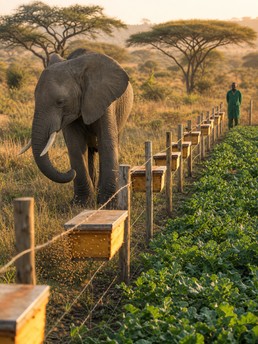 Elefanten hassen Bienen – und warum das gute Nachrichten für kenianische Bauern sind