 Lingard
Paysages Désertiques : Comprendre une Écologie et des Adaptations Uniques
Lingard
Deserts, often thought of as vast barren expanses of sand, are actually diverse landscapes teeming with life uniquely adapted to extreme conditions. These landscapes range from rocky terrain and salt flats to cactus-filled plains. Flora and fauna have developed specialized adaptations to thrive; for example, cacti store water in their tissues, and camels use fat reserves in their humps during times of scarcity. Oases, fertile pockets of water, serve as essential lifelines to sustain various species. Interestingly, the desert’s scorching days contrast with its cold nights, prompting many animals to adopt a nocturnal lifestyle. Ever-shifting sand dunes, shaped by wind patterns, provide habitats for creatures such as beetles and snakes. Human communities, such as the Bedouin, have inhabited deserts for centuries, establishing rich traditions and survival techniques. However, modern challenges such as overgrazing and water extraction threaten these ecosystems, highlighting the importance of conservation and sustainable practices in these fragile environments.
Get startedNot sure about your level? French level test
 L'Exploration des Grottes : Découvrir la Beauté Cachée des Formations Souterraines
 La Conservation des Océans : Préserver les Écosystèmes Marins pour les Générations à Venir
 Le Pouvoir Guérisseur de la Nature : Explorer les Bienfaits de l'Écothérapie
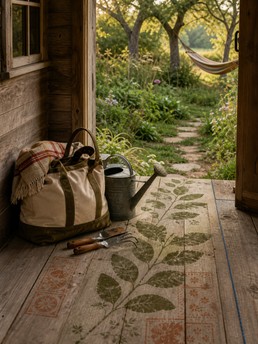 Voyager dans une maison de campagne : préparation, entretien du jardin et détente en pleine nature
 Technologie et Gadgets pour les Vacances d'Été : Applications et Appareils Utiles
 The Role of Bees in Ecosystems: Importance, Challenges, and Conservation
 L'Art Inspiré par la Nature : Exploiter l'Environnement comme Source de Créativité
 Réserves Naturelles : Aires Protégées pour la Conservation de la Biodiversité
 Des moyens simples pour vivre de manière plus durable
 L'Observation des Oiseaux pour les Débutants : Découvrir le Monde Fascinant de la Vie Aviaire
 Photographie en Plein Air : Conseils et Astuces
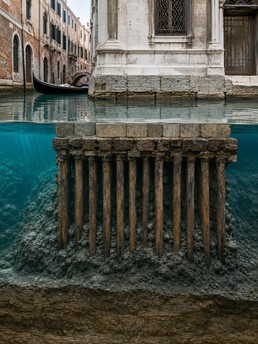 Boue, eau et bois : Le système qui a maintenu une ville de 1604 ans à flot