 Lingard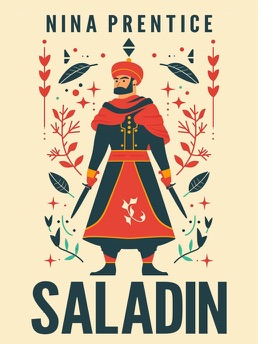
Saladin
Nina Prentice
Saladin, originally Yusuf, born in Tikrit in 1137 into a Kurdish family, was deeply influenced by his father Najm ad-Din Ayyub, a prominent military commander who instilled in him the values of bravery, wisdom, and justice. Raised in various political centers of the Middle East, Saladin was exposed to complex geopolitical dynamics, which honed his leadership skills. Under Nur ad-Din's mentorship, he rose to prominence through his skills in military strategy and governance, particularly during his campaign in Egypt, where he established Sunni control and replaced the Shia Fatimid Caliphate. His greatest military achievement was the Battle of Hattin in 1187, which led to the fall of Jerusalem and sparked the Third Crusade. Despite confronting formidable leaders such as Richard the Lionheart, Saladin managed to maintain control of Jerusalem and negotiate terms that enhanced his reputation as a noble leader. Saladin's legacy as a unifier and respected figure in both the Muslim and Christian worlds underscores his role as a symbol of chivalry and virtue, influencing cultural perceptions and intercultural respect across time, making him a revered figure in history and a continuing inspiration in discussions of leadership and coexistence.
Get startedNot sure about your level? German level test
 Ariadnes Geschichte
 V steht für Vampir
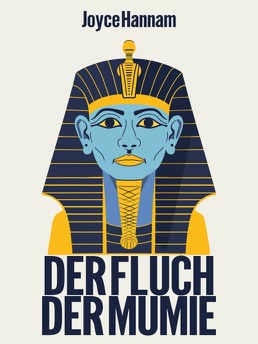 Der Fluch der Mumie
 Frankenstein
 Der Piano-Mann
 Harry Potter und der Stein der Weisen
 Harry Potter und der Halbblutprinz
 Der Kleine Prinz
 Vor dir
 Bambi
Bambi
 Zwielicht
 Harry Potter und die Kammer des Schreckens