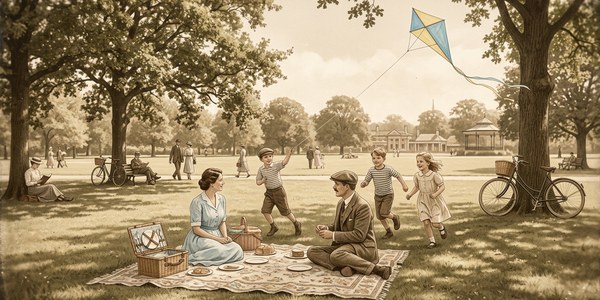
Today, many people work five days a week and rest on Saturday and Sunday. We call these two days the weekend. But the weekend is not very old.
A Special Day
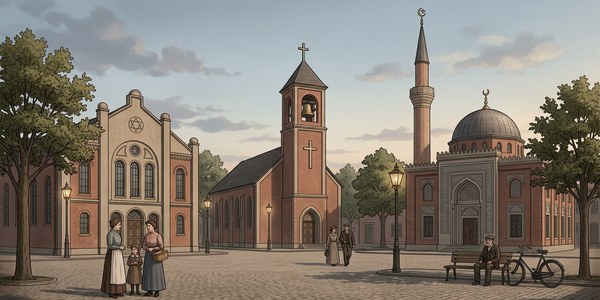
Many religions have one special day every week. For Jewish people, it is Saturday. For Christians, it is Sunday. For Muslims, Friday is the day of the big weekly prayer.
Six Days of Work
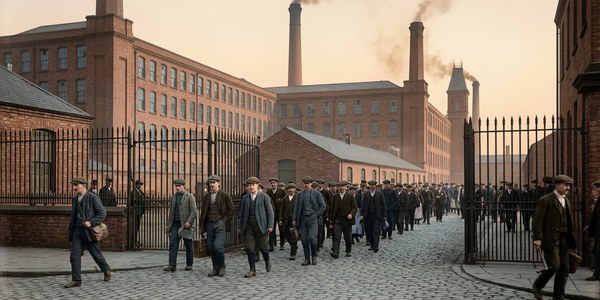
In the 1800s, many people worked in factories. They worked six days a week, often ten or twelve hours a day. Sunday was the only free day.
Saturday Afternoon
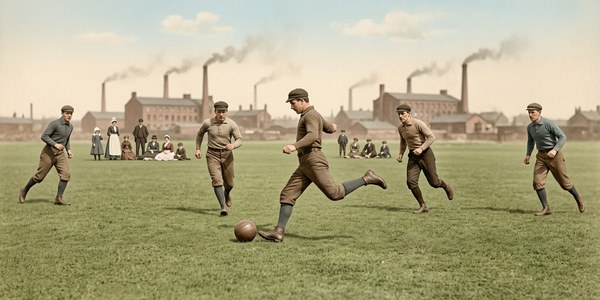
Slowly, things changed. In Britain, many workers got Saturday afternoon off. They used it for sport, shopping and short trips. The word "weekend" first appeared in English in 1879.
Two Free Days
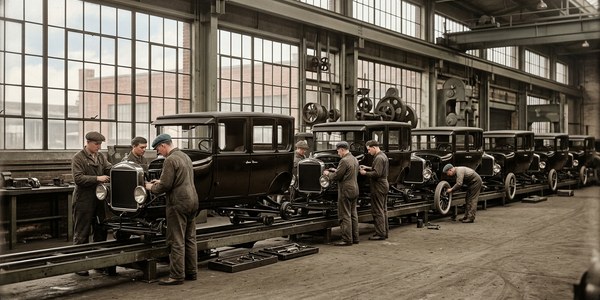
In 1908, a cloth factory in the north-east of the USA gave its workers two free days, Saturday and Sunday. Many of the workers were Jewish, and they wanted to rest on Saturday. In 1926, Henry Ford gave the workers in his car factories a five-day week. Other companies did the same, and soon a two-day weekend was normal in many countries.
Not every country has the same weekend. In Israel, for example, it is Friday and Saturday. And today, some companies are testing a four-day week. Maybe one day the weekend will be three days long!
 Lingard
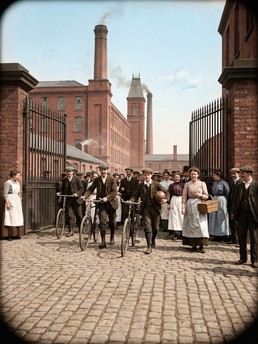
 In Search of the Sacred in Modern India
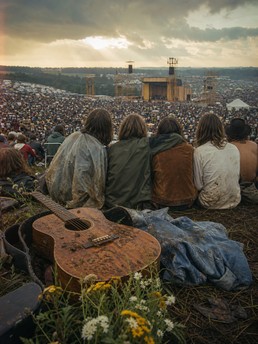 The Spirit of Woodstock: The Birth of a Revolution
 A Healthy Lunch at Work
 Coffee or Tea?
 Tipping Around the World
 The Science of Our Past, Present and Future
 Street Artists' Art: Graffiti and Street Art as Forms of Modern Culture
 Job Search: Key Strategies and Tips
 Dancing and Expression: Exploring Various Dance Styles and Their History
 The 4-Hour Work Week
 World's Top Best-Selling Authors
 Tips for Better Communication at Work