
Dance is a universal language that allows individuals to express themselves creatively and emotionally. From traditional cultural dances to contemporary styles, the art of dance has evolved throughout history. In this article, we will delve into different dance styles and their origins, highlighting the beauty and significance of each form.
1. Ballet
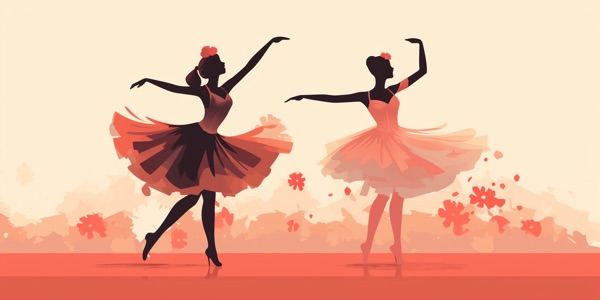
Ballet is a classical dance form that originated in the 15th century Italian Renaissance courts. Known for its graceful and precise movements, ballet combines music, storytelling, and elaborate costumes. It has since become a prominent art form performed in theaters worldwide, captivating audiences with its elegance and technicality.
2. Hip-Hop
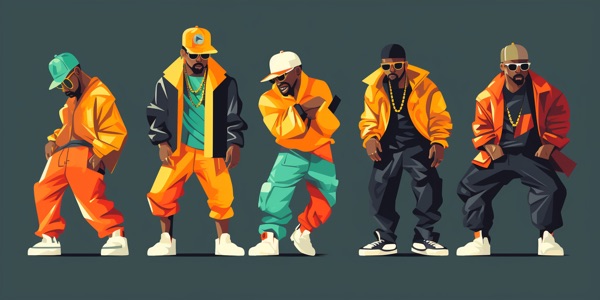
Emerging from African American and Latinx communities in the 1970s, hip-hop is a vibrant and energetic dance style that incorporates elements of street dance, freestyle, and improvisation. Hip-hop dance is characterized by its rhythmic movements, intricate footwork, and individual expression. It has become a popular form of self-expression and a cultural phenomenon worldwide.
3. Contemporary

Contemporary dance is a fluid and expressive style that emerged in the mid-20th century as a reaction against the strict rules of classical ballet. It combines elements of ballet, modern dance, and improvisation, allowing dancers to explore their creativity and emotions through organic and unconventional movements. Contemporary dance embraces individuality and pushes the boundaries of traditional dance forms.
4. Latin Dances
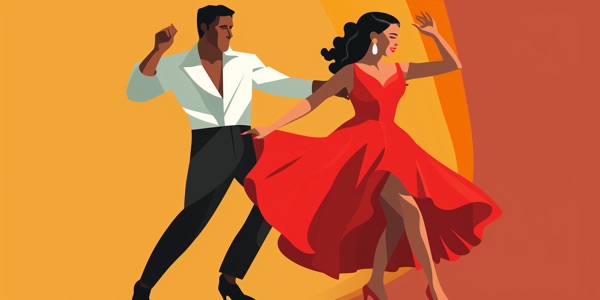
Latin dances, such as salsa, tango, and samba, have rich cultural histories and are known for their vibrant rhythms and passionate movements. Salsa originated in the Caribbean, tango in Argentina, and samba in Brazil. These dances are not only a form of entertainment but also an integral part of social gatherings and celebrations, showcasing the cultural diversity and energy of their respective regions.
5. Folk Dances
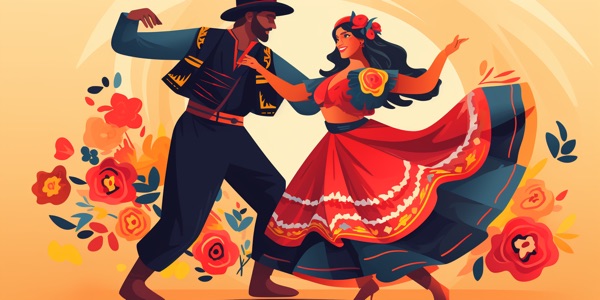
Folk dances reflect the traditions and heritage of different cultures around the world. They often tell stories of a community's history, rituals, and celebrations. Examples include Irish step dancing, Indian classical dances like Bharatanatyam, and traditional African dances. Folk dances vary in style and purpose but are united in their ability to connect people to their roots and preserve cultural identity.
 Lingard

 Tipping Around the World
 In Search of the Sacred in Modern India
 Street Artists' Art: Graffiti and Street Art as Forms of Modern Culture
 World's Top Best-Selling Authors
 10 Hits of the Last Decade
 Hood Feminism
 Where Did the Weekend Come From?
 Coffee or Tea?
 What You Didn't Know About Japan
 Three Levels of Your Personality: Who Are You?
 Explore the Boundaries of Freedom and Liberty's True Essence
 Myths and Legends of Various Cultures: Their Role in Shaping National Identity