Freedom and liberty are cherished values in societies around the world, but their meanings can vary significantly depending on cultural, political, and personal contexts. This article explores the boundaries of freedom and the true essence of liberty, providing insights into how these concepts influence our lives and societies.
1. Understanding Freedom and Liberty
Freedom generally refers to the ability to act or change without constraint, while liberty often implies being free from oppressive restrictions imposed by authority on one's way of life, behavior, or political views. Both concepts are central to the idea of a just society, where individuals can pursue their own destinies unimpeded by undue restrictions.
2. The Social Contract

The boundaries of individual freedom are often defined by the social contract, an unwritten agreement that balances personal liberties with the welfare of the community. According to philosophers like Jean-Jacques Rousseau, the social contract is essential for living together in harmony without infringing on each other's rights to freedom. This contract involves giving up certain freedoms to gain protection and other benefits from the community or state.
3. Freedom and Responsibility

True liberty comes with responsibilities. The freedom to speak one's mind, for instance, carries with it the duty to respect others' rights and feelings. Similarly, the freedom to pursue one's interests should not harm others' rights to do the same. This relationship between freedom and responsibility is crucial for maintaining a balanced and fair society.
4. Cultural Variations of Freedom
The interpretation of freedom can vary dramatically between different cultures. In some places, freedom might be closely linked to individual rights and personal autonomy, while in others, it might be more about community cohesion and collective decision-making. Understanding these cultural nuances is essential for appreciating how different societies view and value liberty.
5. Limits of Liberty
While the idea of unlimited freedom is appealing, in reality, all societies impose limits on liberty to some extent to ensure public safety and order. Laws and regulations, while restrictive, are also necessary for protecting the rights of all citizens. The challenge lies in determining the right balance between freedom and the need for order and protection.
6. The Role of Government
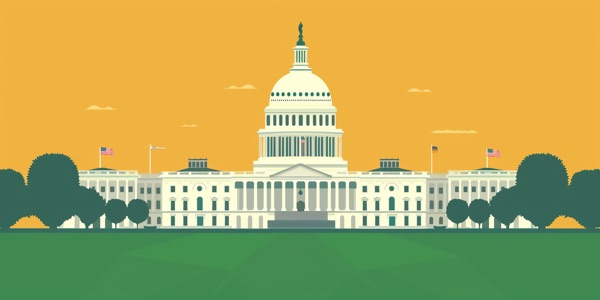
Governments play a crucial role in defining and protecting freedoms. Democratic societies, for example, are built on principles that prioritize individual liberties but also emphasize the role of government in safeguarding these rights through laws and justice systems. However, the extent of government intervention in personal freedoms can be a contentious issue, with opinions differing on how much control is appropriate.
 Lingard

 What You Didn't Know About Japan
 Three Levels of Your Personality: Who Are You?
 Myths and Legends of Various Cultures: Their Role in Shaping National Identity
 Traditional Crafts and Their Role in Preserving Cultural Heritage
 Cinema and Its Influence: Exploring the World of Film and Its Role in Culture
 Must-Read Books of All Time
 Top 5 Iconic Movie Soundtracks
 Tipping Around the World
 It's a reminder of childhood: How Pac-Man changed gaming – and the world
 Ozzy Osbourne: The Prince of Darkness and the King of Chaos
 The Spirit of Woodstock: The Birth of a Revolution
 The Dance of the Gods