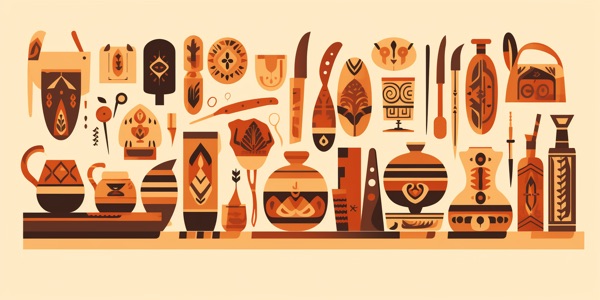
Traditional crafts have played a significant role in shaping the cultural heritage of societies around the world. Passed down through generations, these crafts represent the ingenuity, creativity, and traditions of a community. In this article, we will explore the importance of traditional crafts in preserving cultural heritage and how they continue to thrive in the modern world.
1. Connecting to the Past

Traditional crafts offer a tangible connection to the past. They reflect the lifestyle, beliefs, and values of our ancestors. From pottery and weaving to woodworking and metalworking, each craft tells a unique story of its cultural origins. Preserving and passing down these skills from one generation to another ensures that our cultural heritage remains alive and relevant.
2. Fostering Cultural Identity

Traditional crafts are a vital part of a community's cultural identity. They are often deeply rooted in local customs and rituals, reflecting the specific environment and resources of the region. By practicing and valuing these crafts, communities reinforce their identity and uniqueness, instilling a sense of pride and belonging among their members.
3. Reviving Lost Techniques

In the face of globalization and modernization, many traditional crafts have faced the risk of extinction. However, a growing interest in cultural heritage and sustainable practices has led to the revival of lost techniques. Artisans and organizations are working together to rediscover ancient methods and reintroduce them to contemporary audiences, ensuring that valuable knowledge is not lost to time.
4. Economic Empowerment

Traditional crafts can serve as a source of economic empowerment for communities. By promoting and marketing these crafts locally and globally, artisans can generate income and support their livelihoods. Additionally, crafting skills can attract tourism and create job opportunities, stimulating economic growth and development in the region.
5. Environmental Sustainability

Unlike mass-produced goods, traditional crafts often prioritize sustainable practices. Craftsmen use locally sourced materials and follow eco-friendly production methods, minimizing waste and environmental impact. Emphasizing these sustainable practices not only benefits the planet but also raises awareness of the importance of preserving traditional crafts for future generations.
6. Cultural Exchange and Tourism

Traditional crafts act as cultural ambassadors, fostering cross-cultural exchange between communities. When tourists engage with local crafts and artisans, they gain insight into the customs and values of the region they visit. This cultural exchange promotes mutual understanding and respect, enriching the travel experience for both visitors and hosts.
 Lingard
 What You Didn't Know About Japan
 Three Levels of Your Personality: Who Are You?
 Explore the Boundaries of Freedom and Liberty's True Essence
 Myths and Legends of Various Cultures: Their Role in Shaping National Identity
 Cinema and Its Influence: Exploring the World of Film and Its Role in Culture
 Must-Read Books of All Time
 Top 5 Iconic Movie Soundtracks
 Tipping Around the World
 It's a reminder of childhood: How Pac-Man changed gaming – and the world
 Ozzy Osbourne: The Prince of Darkness and the King of Chaos
 The Spirit of Woodstock: The Birth of a Revolution
 In Search of the Sacred in Modern India