The words readers of this text looked up most, each with its meaning and the line it comes from.
recognize / ˈrekəɡnaɪz /verbTo identify or be aware of (something) as being of a particular type
To manage and recognize emotional biases effectively, it's beneficial to engage in self-reflection.
acknowledgerealizeperceive
compulsive / kəmˈpʌlsɪv /adjectiveRelating to or characterized by compulsion; resulting from or subject to compulsion
Law 4: The Law of Compulsive Behavior.
compulsionobsessiveaddictive
To promote the growth or development of something; to encourage or nurture
This understanding fosters better leadership.
cultivatepromoteencourage
behaviors / bɪˈheɪvjərz /nounThe way in which one acts or conducts oneself, especially towards others
the ability to discern underlying human motivations and behaviors
actionsconductmannerisms
underlying / ˌʌndərˈlaɪɪŋ /adjectiveexisting beneath the surface
The therapist helped them uncover the underlying reasons for their conflict.
fundamentalbasicroot
irrationality / ˌɪræʃəˈnæləti /nounThe quality or state of being irrational; lack of reason or sound judgment
the irrationality of his decision
illogicalityabsurdityfolly
the feeling that someone or something is unworthy of one's consideration or respect; contempt
She regards them with disdain.
contemptscorn
A feeling of discontented or resentful longing aroused by someone else's possessions, qualities, or luck
She felt a pang of envy for her friend's success.
jealousy
to harness / tuː ˈhɑːrnɪs /verbTo control and make use of (natural resources), especially to produce energy
We can harness the power of the sun to heat our homes.
utilizeexploitcontrol
mindfulness / ˈmaɪndfʊlnəs /nounThe quality or state of being conscious or aware of something
Practicing mindfulness can reduce stress.
awarenessconsciousness
to navigate / tuː ˈnævɪɡeɪt /verbTo find one's way through
By mastering these laws, individuals can effectively navigate complex social environments.
guidemaneuvernegotiate
To make unclear, obscure, or conceal
The fog obscured the bridge from view.
hideconcealmask
 Lingard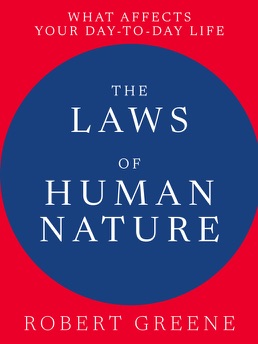
 Rich Dad, Poor Dad
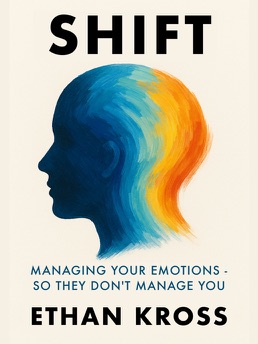 Shift
Shift
 Perfectly Confident
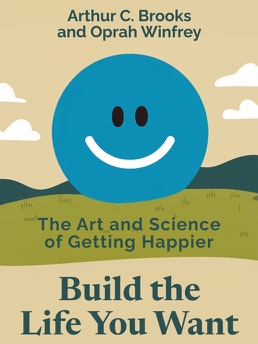 Build the Life You Want
 The 48 Laws of Power
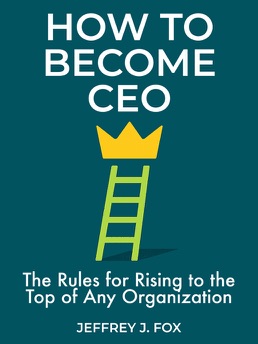 How to Become CEO
 The Body Keeps the Score
 The Art of Influence
 Dare to Lead
 The Daily Laws
 Men Are from Mars, Women Are from Venus
 Unfu*k Yourself