 Lingard
Paisajes Desérticos: Comprendiendo la Ecología Única y las Adaptaciones
Lingard
Deserts, often perceived as vast, barren expanses of sand, are actually diverse landscapes filled with life uniquely adapted to extreme conditions. These landscapes range from rocky terrain and salt flats to cactus-filled plains. Flora and fauna have developed specialized adaptations to thrive; for example, cacti store water in their tissues, and camels use fat reserves in their humps during lean times. Oases, fertile pockets of water, serve as essential lifelines that support diverse species. Interestingly, the desert’s scorching days contrast with its cold nights, leading many animals to adopt nocturnal lifestyles. Ever-shifting sand dunes, shaped by wind patterns, offer habitats for creatures such as beetles and snakes. Human communities, such as the Bedouin, have inhabited deserts for centuries, establishing rich traditions and survival techniques. However, modern challenges such as overgrazing and water extraction threaten these ecosystems, underscoring the importance of conservation and sustainable practices in these fragile environments.
Get startedNot sure about your level? Spanish level test
 El Poder Curativo de la Naturaleza: Explorando los Beneficios de la Ecoterapia
 La Conservación del Océano: Salvaguardando los Ecosistemas Marinos para las Generaciones Venideras
 Explorando Cuevas: Descubriendo la Belleza Oculta de las Formaciones Subterráneas
 Viajar a una Casa de Campo: Preparación, Cuidado del Jardín y Relajación en la Naturaleza
 Formas sencillas de vivir de manera más sostenible
 Tecnología y Gadgets para las Vacaciones de Verano: Aplicaciones y Dispositivos Útiles
 Arte Inspirado por la Naturaleza: Utilizando el Entorno como Fuente Creativa
 El Rol de las Abejas en los Ecosistemas: Importancia, Desafíos y Conservación
 Reservas Naturales: Áreas Protegidas para la Conservación de la Biodiversidad
 Fotografía al aire libre: Consejos y trucos
 Observación de Aves para Principiantes: Explorando el Fascinante Mundo de la Vida Aviar
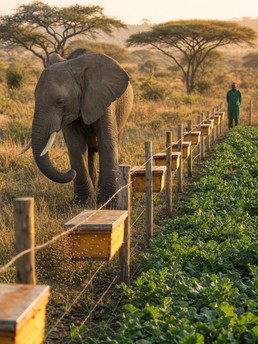 Los elefantes odian a las abejas: por qué eso es una buena noticia para los agricultores kenianos