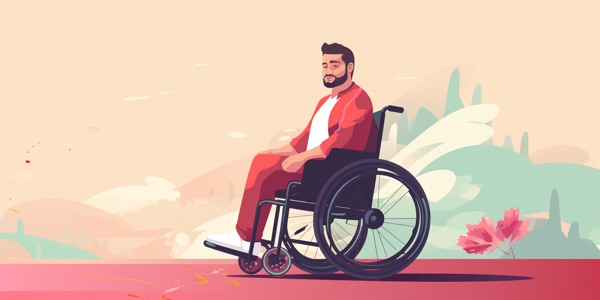
Physical activity is essential for everyone, irrespective of their physical abilities. With thoughtful modifications and innovative solutions, sports can become inclusive and beneficial for people with disabilities. Here's a guide to understanding how sports can be adapted to cater to all.
1. Understanding the Need for Adapted Sports
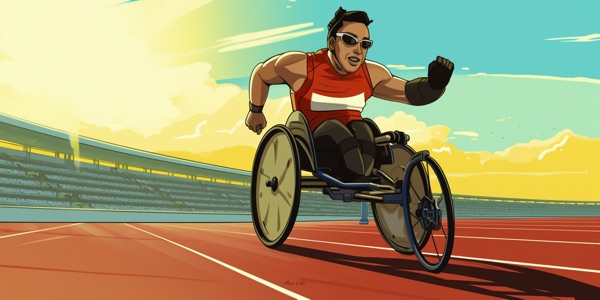
It's crucial to comprehend that people with disabilities have as much right to engage in sports as anyone else. Besides the obvious health benefits, sports can boost self-esteem, foster social interactions, and provide a sense of achievement. By creating an inclusive environment, we not only promote health but also societal equality.
2. Customized Equipment: Making Sports Accessible
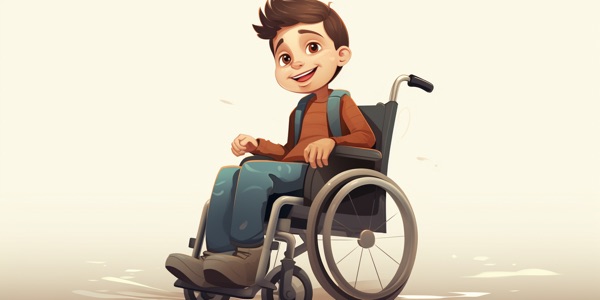
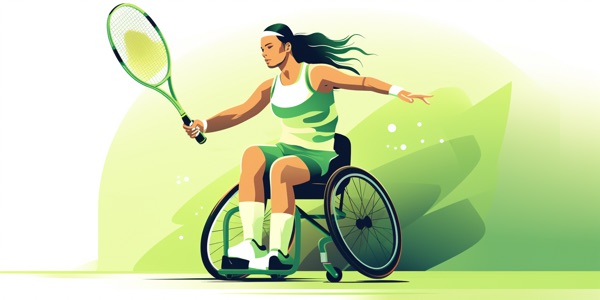
For some sports, specialized equipment can be a game-changer. Wheelchairs designed for basketball or tennis, tactile balls for visually impaired athletes, and modified rackets or bats can make sports more accessible. It's about leveling the playing field, ensuring that everyone gets a fair chance to play and excel.
3. Specialized Training Techniques
Training methods need to be adapted based on individual needs. For instance, a person with a hearing impairment might benefit from visual cues, while someone with a physical disability may need exercises tailored to their strength and flexibility levels. Coaches trained in adaptive sports are skilled at creating effective, personalized training regimes.
4. Emphasis on Teamwork and Communication
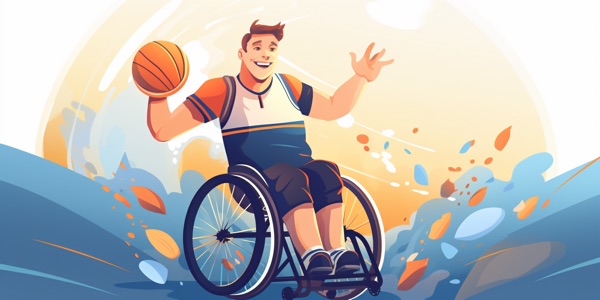
In adaptive sports, communication becomes even more crucial. Whether it's between teammates or between a coach and an athlete, clear communication ensures that everyone is on the same page. For teams with visually or hearing-impaired athletes, developing a set of unique signals or cues can be effective.
5. Celebrating Adaptive Sports Events

Promoting events like the Paralympics or local adaptive sports tournaments is vital. These events not only provide a platform for athletes with disabilities to showcase their skills but also inspire others. Furthermore, these events play a crucial role in raising awareness and garnering support for adaptive sports initiatives.
6. Community Involvement and Support
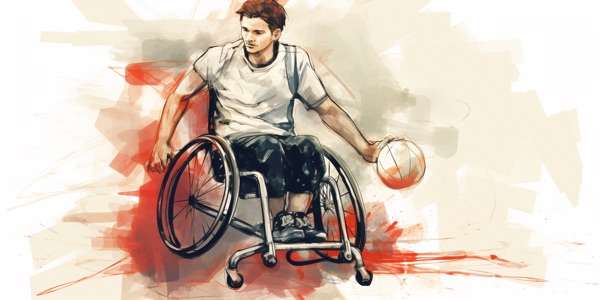
The broader community's involvement is essential for the success of adaptive sports programs. From sponsors to volunteers, every helping hand counts. Local communities can aid by ensuring sports facilities are accessible, offering financial support, or simply by being enthusiastic spectators cheering for all athletes.
 Lingard
 Outdoor Training: The Benefits of Exercising in Nature
 Winter Sports: From Alpine Skiing to Figure Skating
 History of the Olympic Games: From Antiquity to Modern Times
 Fitness Trends: Exploring the Latest Directions and Technologies in Fitness
 6-Pack Abs: How to Get Them
 Reasons to Work Out with a Friend
 Sports and Creativity: How Physical Activity Fosters Inspiration
 Sports and Longevity: How Regular Exercise Impacts Lifespan
 The Art of Yoga: A Sports Approach to Achieving Harmony and Flexibility
 Sports and Psychology: The Impact of Workouts on Emotional Well-being
 Popular Sports: Discovering New Ways to Stay Active
 Home Workouts: 10 Beginner Exercises