
The link between physical activity and a longer, healthier life is well-established. In this article, we'll explore how regular exercise contributes to longevity and provides essential insights into the relationship between sports and a longer lifespan.
1. Strengthening the Cardiovascular System
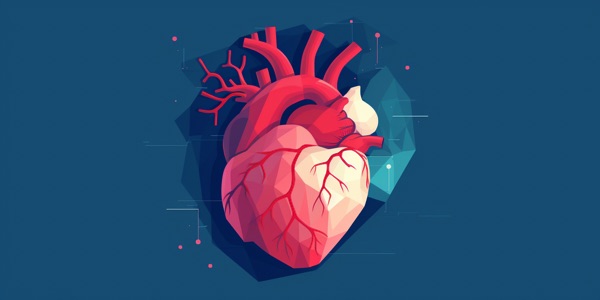
Engaging in sports and regular exercise is a powerful way to promote cardiovascular health. Activities like running, swimming, and cycling enhance heart function, lower blood pressure, and improve circulation. A strong heart is better equipped to pump oxygen-rich blood throughout the body, reducing the risk of heart disease and increasing your chances of a longer life.
2. Weight Management

Maintaining a healthy weight is a key factor in increasing longevity. Regular physical activity helps regulate body weight by burning calories and building lean muscle mass. Additionally, exercise can boost metabolism, making it easier to achieve and maintain a healthy weight. Reducing the risk of obesity and related conditions, such as diabetes and certain cancers, contributes to a longer, healthier life.
3. Bone Health
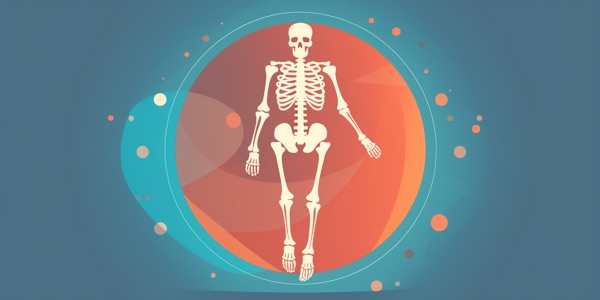
Sports that involve weight-bearing activities, such as resistance training and weightlifting, help improve bone density and reduce the risk of osteoporosis. Strong bones are less prone to fractures and degenerative diseases, ensuring a higher quality of life as you age.
4. Enhanced Mental Health

Physical activity isn't just beneficial for the body; it also supports mental well-being. Exercise triggers the release of endorphins, the body's natural mood lifters, which can help combat depression, anxiety, and stress. A positive mental outlook can lead to healthier lifestyle choices, ultimately contributing to a longer and more fulfilling life.
5. Reduced Risk of Chronic Diseases

Regular exercise has been linked to a lower risk of chronic diseases such as type 2 diabetes, certain types of cancer, and Alzheimer's disease. By reducing your susceptibility to these conditions, you're more likely to enjoy a longer and healthier life.
6. Improved Immune Function
Exercise strengthens the immune system, making it more efficient at defending against illnesses and infections. People who engage in regular physical activity often experience fewer illnesses and a quicker recovery when they do get sick, ultimately leading to a longer, more robust life.
7. Social Engagement and Emotional Well-being

Many sports and physical activities are social by nature, encouraging interaction with others. Building and maintaining strong social connections have been linked to increased longevity. Engaging in sports can foster a sense of belonging and provide emotional support, which contributes to a longer and more fulfilling life.
 Lingard

 Sports and Creativity: How Physical Activity Fosters Inspiration
 The Art of Yoga: A Sports Approach to Achieving Harmony and Flexibility
 Sports and Psychology: The Impact of Workouts on Emotional Well-being
 Adapting Sports to Limited Abilities: Training for People with Disabilities
 Outdoor Training: The Benefits of Exercising in Nature
 Winter Sports: From Alpine Skiing to Figure Skating
 History of the Olympic Games: From Antiquity to Modern Times
 Fitness Trends: Exploring the Latest Directions and Technologies in Fitness
 6-Pack Abs: How to Get Them
 Reasons to Work Out with a Friend
 The school for astronauts hidden inside a Swiss mountain
 Your IELTS Game Plan