
Physical activity is not only beneficial for our physical health but also plays a significant role in our emotional well-being. This article delves into the intricate relationship between sports and psychology, highlighting how regular workouts can positively influence our emotional state.
1. The Mind-Body Connection

The mind-body connection is a fascinating phenomenon that highlights the close relationship between our mental and physical states. Engaging in sports and exercise triggers the release of endorphins, often referred to as "feel-good" hormones. These natural chemicals are known to elevate our mood, reduce stress levels, and promote an overall sense of well-being. By engaging in regular physical activity, individuals can harness the power of these endorphins to uplift their emotional state.
2. Stress Reduction

In today's fast-paced world, stress has become a common challenge for many individuals. Physical activity acts as a natural stress-reliever by decreasing the production of stress hormones and promoting relaxation. Regular workouts not only help dissipate accumulated stress but also create a sense of calmness. As a result, individuals who incorporate sports into their routine often report feeling more equipped to cope with life's challenges and uncertainties.
3. Boosting Self-esteem

Engaging in sports can have a profound impact on self-esteem and self-confidence. Setting fitness goals, regardless of their scale, provides individuals with a sense of purpose and accomplishment. Achieving these goals fosters a positive self-perception and reinforces the idea that through determination and effort, individuals can overcome obstacles. This newfound sense of achievement can extend beyond sports and positively influence other aspects of life.
4. Enhanced Cognitive Function
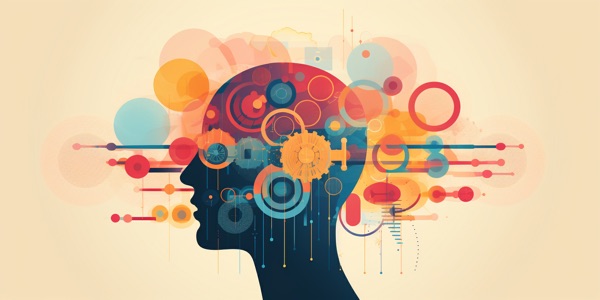
The benefits of exercise extend to cognitive function and mental clarity. Physical activity increases blood flow to the brain, supplying it with oxygen and nutrients essential for optimal functioning. As a result, regular workouts are associated with improved memory, concentration, and overall cognitive abilities. Engaging in sports not only challenges the body but also stimulates the mind, contributing to sharper cognitive skills.
5. Coping Mechanism

Sports can serve as a healthy outlet for managing emotions and stress. Physical activity provides individuals with a productive way to channel their energy and emotions, preventing negative feelings from accumulating. Engaging in exercise can also promote the release of pent-up tension and frustration, leading to a sense of emotional release and renewal.
6. Social Interaction and Support

Participating in team sports or group exercise classes offers the added benefit of social interaction and connection. Building relationships with teammates or fellow participants fosters a sense of camaraderie and belonging. These connections provide emotional support, offering a network of individuals who share similar goals and experiences. The social element of sports can help individuals combat feelings of isolation and loneliness.
7. Creating Healthy Habits

Consistency in exercise promotes the development of healthy habits. Engaging in regular physical activity encourages individuals to structure their routines, leading to better time management and organization. A structured routine can alleviate feelings of chaos and disarray, ultimately contributing to a more balanced emotional state.
 Lingard
 Sports and Creativity: How Physical Activity Fosters Inspiration
 Sports and Longevity: How Regular Exercise Impacts Lifespan
 The Art of Yoga: A Sports Approach to Achieving Harmony and Flexibility
 Adapting Sports to Limited Abilities: Training for People with Disabilities
 Outdoor Training: The Benefits of Exercising in Nature
 Winter Sports: From Alpine Skiing to Figure Skating
 History of the Olympic Games: From Antiquity to Modern Times
 Fitness Trends: Exploring the Latest Directions and Technologies in Fitness
 6-Pack Abs: How to Get Them
 Reasons to Work Out with a Friend
 The school for astronauts hidden inside a Swiss mountain
 Your IELTS Game Plan