
The Olympic Games, a global event that unites athletes from various corners of the world, has a rich and storied history. From its origins in ancient Greece to the modern spectacles we witness today, this article delves into the captivating journey of the Olympic Games.
1. Ancient Origins

The roots of the Olympic Games can be traced back to ancient Greece, around 776 BCE. These games were held in Olympia, in honor of the Greek god Zeus. Initially consisting of a single athletic event, a foot race known as the "stade," the ancient Olympics gradually expanded to include various sports like discus, wrestling, and chariot races. The games were more than just competitions; they held cultural and religious significance, fostering camaraderie and peace among Greek city-states during the truce period.
2. Revival in the Modern Era
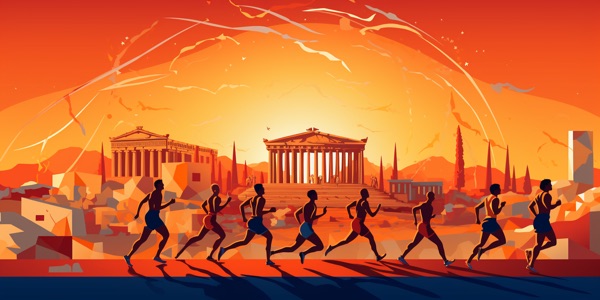
The Olympic Games lay dormant for centuries until their revival in the late 19th century. Pierre de Coubertin, a French educator, spearheaded the effort to bring back the spirit of the ancient Olympics. The first modern Olympic Games took place in Athens in 1896, featuring events like track and field, cycling, and swimming. This marked the beginning of an era where nations around the world would gather every four years to celebrate athleticism and international unity.
3. Growth and Evolution

Throughout the 20th century, the Olympics underwent significant growth and evolution. New sports were added to the roster, and the games expanded to include both summer and winter editions. The inclusion of women athletes also became a pivotal milestone, reflecting a more inclusive and diverse approach. The Olympic Games became a platform not only for athletic competition but also for cultural exchange and diplomacy.
4. Political and Social Impact

The Olympics have often been intertwined with political and social issues. The 1936 Berlin Olympics were marked by Nazi propaganda, while the 1968 Mexico City Games saw the iconic Black Power salute by African American athletes. The boycotts of the 1980 and 1984 Olympics due to Cold War tensions showcased the games' capacity to reflect global political climates.
5. Technological Advancements

Advancements in technology have significantly influenced the Olympics. From innovative sporting equipment to cutting-edge timing systems, technology has not only enhanced performance but also revolutionized the way we experience and broadcast the games. High-definition broadcasts, instant replays, and real-time statistics have transformed the viewer experience.
6. Sustainability and Legacy
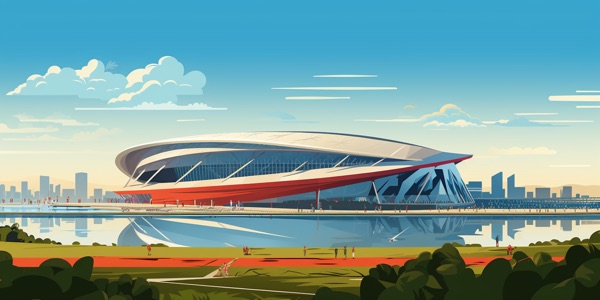
In recent times, the Olympics have embraced a focus on sustainability and leaving a positive legacy. Host cities are encouraged to incorporate eco-friendly practices in construction and minimize environmental impact. Additionally, the Olympics aim to inspire future generations of athletes and promote a healthy and active lifestyle.
 Lingard

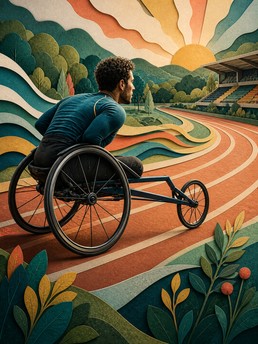 Adapting Sports to Limited Abilities: Training for People with Disabilities
 Outdoor Training: The Benefits of Exercising in Nature
 Winter Sports: From Alpine Skiing to Figure Skating
 Fitness Trends: Exploring the Latest Directions and Technologies in Fitness
 6-Pack Abs: How to Get Them
 Reasons to Work Out with a Friend
 Sports and Creativity: How Physical Activity Fosters Inspiration
 Sports and Longevity: How Regular Exercise Impacts Lifespan
 The Art of Yoga: A Sports Approach to Achieving Harmony and Flexibility
 Sports and Psychology: The Impact of Workouts on Emotional Well-being
 Popular Sports: Discovering New Ways to Stay Active
 Home Workouts: 10 Beginner Exercises