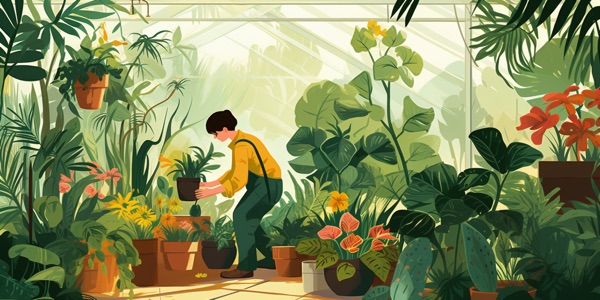
Are you looking to bring a touch of nature into your home? Gardening and greenery can be a wonderful way to create your own little oasis and connect with the natural world. In this article, we will explore some simple tips for gardening and greening your living space, even if you have limited experience or space.
1. Start with Indoor Plants
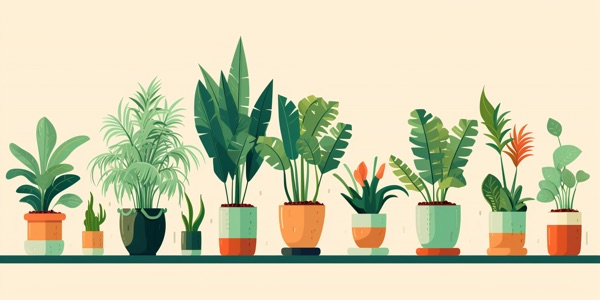
Indoor plants are a great way to introduce greenery into your home, even if you don't have access to a garden. Choose plants that are suitable for indoor conditions, such as pothos, spider plants, or succulents. These plants are relatively low-maintenance and can thrive in a variety of light conditions.
2. Choose the Right Containers
When gardening indoors or in small spaces, selecting the right containers is important. Ensure that your pots have drainage holes to prevent waterlogging. Consider using hanging baskets or wall-mounted planters to maximize space. Get creative with container choices by repurposing old teacups, mason jars, or even shoe organizers to create a unique and charming display.
3. Provide Adequate Light
Plants need light to thrive, so it's essential to place them in areas where they can receive adequate sunlight. Identify the light requirements of your plants and position them near windows or in well-lit areas of your home. If natural light is limited, you can supplement it with artificial grow lights designed specifically for plants.
4. Water Wisely
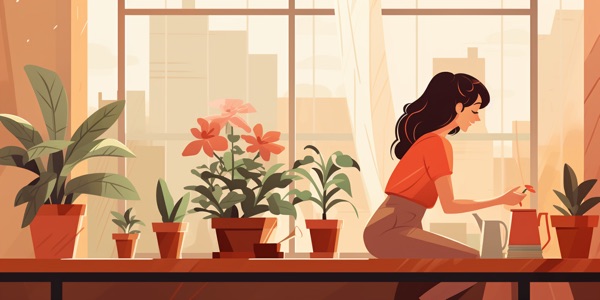
Watering is a critical aspect of plant care. Avoid overwatering or underwatering your plants by understanding their specific watering needs. Most indoor plants prefer a moderate watering schedule, allowing the soil to dry out slightly between waterings. Use your finger or a moisture meter to check the soil's moisture level before watering.
5. Choose Easy-to-Grow Plants
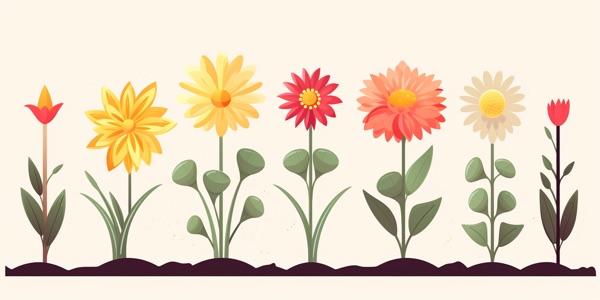
If you're new to gardening, start with plants that are known for their resilience and ease of care. Some beginner-friendly options include snake plants, peace lilies, or ZZ plants. These plants are forgiving and can tolerate occasional neglect.
 Lingard
 Beach Vacation Essentials: Choosing Swimwear, Sun Protection, and Water Safety
 A Guide to America's Natural Parks
 California Hiking: Beginner's Guide
 Tech and Gadgets for Summer Vacation: Useful Apps and Devices
 Traveling to a Country House: Preparation, Garden Care, and Relaxing in Nature
 The Role of Bees in Ecosystems: Importance, Challenges, and Conservation
 Art Inspired by Nature: Harnessing the Environment as a Creative Source
 Bird Watching for Beginners: Exploring the Fascinating World of Avian Life
 Natural Reserves: Protected Areas for Biodiversity Conservation
 Outdoor Photography: Tips & Tricks
 Simple Ways to Live More Sustainably
 How Long Does It Take to Learn a Language?