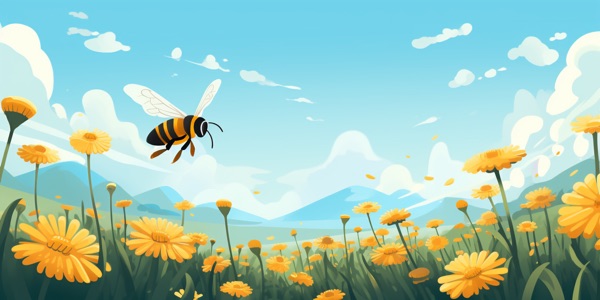
The humble bee is much more than just a honey producer. These small creatures play a pivotal role in maintaining the balance of our ecosystems. Let's delve deeper into understanding their significance, the challenges they face, and how we can contribute to their conservation.
1. Importance of Bees in Our Ecosystem
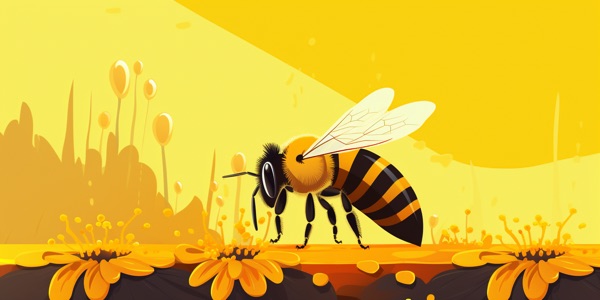
Bees are nature's top pollinators. When they move from flower to flower, they transfer pollen, enabling plants to produce seeds. This process is critical for the survival of many plant species and is directly responsible for a significant portion of the foods we consume daily. Without bees, our diet would look vastly different and less nutritious.
2. Challenges Faced by Bees
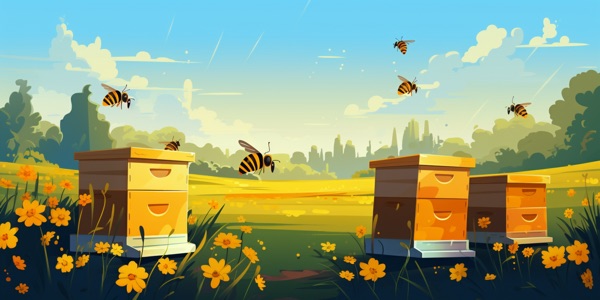
Unfortunately, bees around the world are facing various challenges. One significant threat is the use of pesticides in agriculture, which can be lethal to bees. Habitat loss due to urban development and climate change is another concern. Moreover, diseases and pests, such as the Varroa destructor mite, have severely impacted bee populations.
3. Conserving the Bee Population
There are several measures we can adopt to protect and conserve the bee population:
- Avoiding Harmful Pesticides: Using bee-friendly pesticides or organic farming methods can help reduce the risks posed to bees.
- Planting Bee-friendly Gardens: Including a variety of flowers in our gardens can provide bees with essential nectar and pollen.
- Supporting Local Beekeepers: Buying local honey supports beekeepers who work to sustain bee populations.
4. Awareness and Education
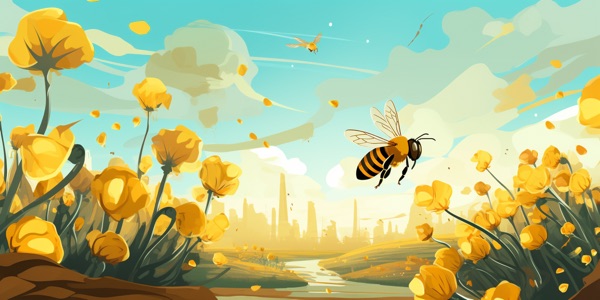
Raising awareness about the importance of bees is crucial. The more people understand the role of bees in our ecosystem, the more inclined they will be to take actions that support bee health and conservation. Schools, community groups, and local organisations can all play a part in spreading the word.
5. The Global Impact of Bees
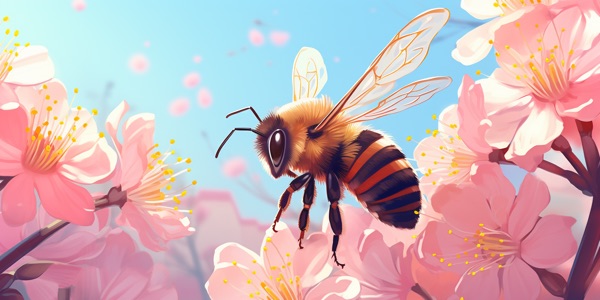
Every action to conserve bees has a ripple effect. By protecting these diligent workers, we not only preserve the beauty of our natural world but also ensure food security for generations to come.
In conclusion, bees are irreplaceable contributors to our ecosystems. While they face numerous challenges, collective awareness and action can pave the way for their survival and prosperity. By championing their cause, we champion the health and future of our planet.
 Lingard
 Tech and Gadgets for Summer Vacation: Useful Apps and Devices
 Traveling to a Country House: Preparation, Garden Care, and Relaxing in Nature
 Art Inspired by Nature: Harnessing the Environment as a Creative Source
 Bird Watching for Beginners: Exploring the Fascinating World of Avian Life
 Natural Reserves: Protected Areas for Biodiversity Conservation
 Outdoor Photography: Tips & Tricks
 Simple Ways to Live More Sustainably
 Beach Vacation Essentials: Choosing Swimwear, Sun Protection, and Water Safety
 Desert Landscapes: Understanding Unique Ecology and Adaptations
 Exploring Caves: Uncovering the Hidden Beauty of Subterranean Formations
 The Healing Power of Nature: Exploring the Benefits of Ecotherapy
 Ocean Conservation: Safeguarding Marine Ecosystems for the Generations Ahead