In our fast-paced and increasingly urbanized world, the therapeutic effects of nature are gaining recognition. Ecotherapy, also known as nature therapy or green therapy, is a holistic approach that harnesses the healing power of the natural world to improve mental, emotional, and physical well-being. This article delves into the profound benefits of ecotherapy and how immersing oneself in nature can lead to improved overall health.
1. Connection Between Nature and Well-being
Ecotherapy is built on the idea that humans have an innate connection with the natural world. Modern life often separates us from nature, leading to stress, anxiety, and a sense of disconnection. Studies have shown that spending time in nature can reduce cortisol levels (the stress hormone) and boost serotonin production, resulting in improved mood and reduced anxiety.
2. Physical Health Benefits
Engaging with nature can have positive impacts on physical health. Activities like hiking, gardening, or simply taking a walk in the park can promote cardiovascular health, increase vitamin D production, and enhance immune function. The natural environment provides an opportunity to engage in gentle exercise while enjoying the fresh air and sunlight.
3. Mental and Emotional Well-being

Ecotherapy offers a respite from the demands of modern life and allows individuals to escape from the noise and chaos of urban environments. Nature's tranquility has been linked to reduced symptoms of depression, improved self-esteem, and increased feelings of happiness. The practice encourages mindfulness and being present in the moment, promoting relaxation and mental clarity.
4. Stress Reduction and Coping Mechanisms

The soothing effects of nature contribute to stress reduction and the development of healthy coping mechanisms. Engaging in activities such as forest bathing or spending time near water bodies can trigger the body's relaxation response, leading to lowered blood pressure and decreased muscle tension. Nature provides a peaceful backdrop for self-reflection and emotional healing.
5. Ecotherapy Techniques
There are various approaches to ecotherapy, each focusing on different aspects of well-being. Nature meditation involves sitting quietly in a natural setting and focusing on sensory experiences. Horticultural therapy involves gardening and tending to plants, fostering a sense of responsibility and connection to the Earth. Adventure therapy encourages individuals to engage in outdoor activities that challenge and empower them.
6. Incorporating Ecotherapy into Daily Life
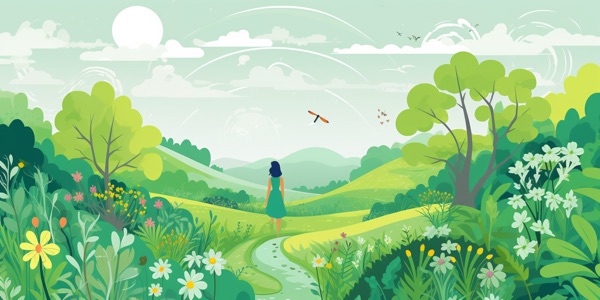
Incorporating ecotherapy into your routine doesn't require extensive time or resources. Something as simple as taking a walk in a nearby park, watching the sunrise, or spending a few minutes listening to the sounds of nature can yield significant benefits. Disconnecting from technology and immersing yourself in the natural world, even briefly, can provide a much-needed mental reset.
 Lingard
 Desert Landscapes: Understanding Unique Ecology and Adaptations
 Exploring Caves: Uncovering the Hidden Beauty of Subterranean Formations
 Ocean Conservation: Safeguarding Marine Ecosystems for the Generations Ahead
 Tech and Gadgets for Summer Vacation: Useful Apps and Devices
 Traveling to a Country House: Preparation, Garden Care, and Relaxing in Nature
 The Role of Bees in Ecosystems: Importance, Challenges, and Conservation
 Art Inspired by Nature: Harnessing the Environment as a Creative Source
 Bird Watching for Beginners: Exploring the Fascinating World of Avian Life
 Natural Reserves: Protected Areas for Biodiversity Conservation
 Outdoor Photography: Tips & Tricks
 Simple Ways to Live More Sustainably
 The school for astronauts hidden inside a Swiss mountain