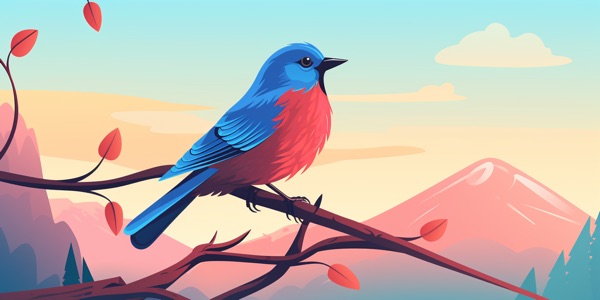
The world of birds is a captivating and diverse realm that has piqued the curiosity of nature enthusiasts for centuries. Bird watching, or birding, offers an opportunity to immerse oneself in the beauty of these feathered creatures and gain insights into their behaviors and habitats. This article serves as a guide for beginners interested in venturing into the world of bird watching, offering tips on how to start observing and appreciating the remarkable lives of our avian companions.
1. The Allure of Bird Watching
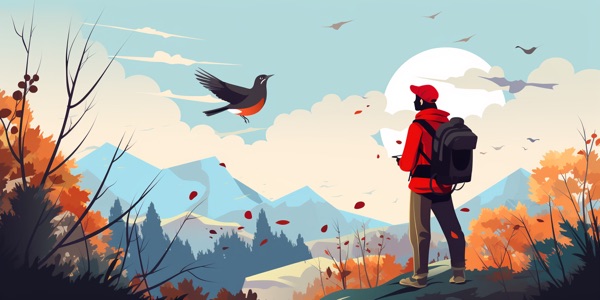
Birds, with their vibrant plumage and enchanting melodies, have a unique ability to capture our attention and ignite a sense of wonder. Bird watching provides an avenue to connect with nature, fostering a deeper appreciation for the delicate balance of ecosystems and the diverse life forms that inhabit them.
2. Essential Tools for Bird Watching
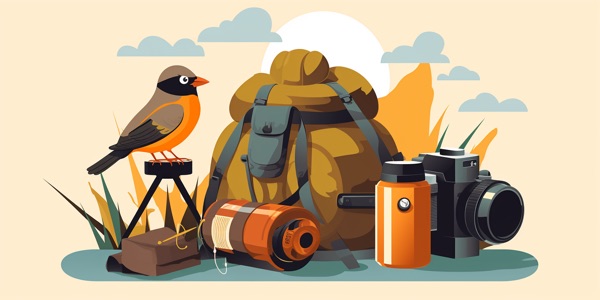
Embarking on a birding adventure requires a few basic tools. A pair of binoculars is essential for getting a closer look at birds in their natural habitats. A field guide or a birding app can help you identify different species based on their characteristics and behaviors. Additionally, a notebook and pen come in handy for jotting down observations.
3. Choosing the Right Location

Birds inhabit a variety of environments, from urban parks to dense forests and coastal areas. To start bird watching, opt for a location that is easily accessible and known for its diverse bird population. Urban areas often have a mix of common and migratory species, making them ideal for beginners.
4. Practice Patience and Observation

Bird watching requires patience and keen observation skills. Find a comfortable spot, preferably near a water source or a bird feeder, and remain still. Use your binoculars to scan the area for movement and listen for bird calls. Pay attention to details such as size, color, markings, and flight patterns.
5. Recording Your Observations
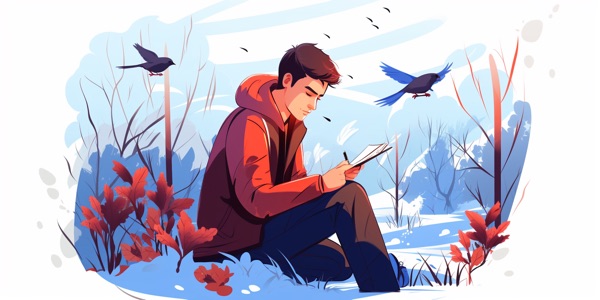
Keep a birding journal to record your observations and encounters. Note down the species you identify, the location, the date, and any interesting behaviors you observe. Over time, this journal becomes a valuable record of your progress and a source of fond memories.
6. Respecting Nature and Wildlife
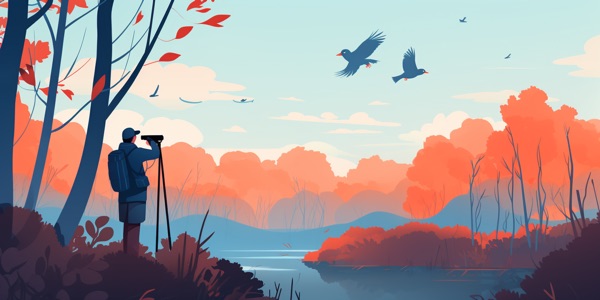
As you embark on your birding journey, remember to prioritize the well-being of the birds and their habitats. Maintain a respectful distance, avoid disturbing nesting areas, and refrain from feeding birds human food, as it can be harmful to their health.
7. Connecting with Fellow Bird Enthusiasts

Bird watching can be even more enjoyable when shared with others who share the same passion. Join local birding clubs or online communities to connect with experienced birders, exchange tips, and participate in organized birding outings. These interactions can enhance your knowledge and create lasting friendships.
 Lingard
 Tech and Gadgets for Summer Vacation: Useful Apps and Devices
 Traveling to a Country House: Preparation, Garden Care, and Relaxing in Nature
 The Role of Bees in Ecosystems: Importance, Challenges, and Conservation
 Art Inspired by Nature: Harnessing the Environment as a Creative Source
 Natural Reserves: Protected Areas for Biodiversity Conservation
 Outdoor Photography: Tips & Tricks
 Simple Ways to Live More Sustainably
 Beach Vacation Essentials: Choosing Swimwear, Sun Protection, and Water Safety
 Desert Landscapes: Understanding Unique Ecology and Adaptations
 Exploring Caves: Uncovering the Hidden Beauty of Subterranean Formations
 The Healing Power of Nature: Exploring the Benefits of Ecotherapy
 Ocean Conservation: Safeguarding Marine Ecosystems for the Generations Ahead