
Caves have always been the subject of fascination and intrigue. They are gateways to the Earth's secrets, teeming with history, mystery, and raw natural beauty. Delving deep into the cavernous realms not only offers breathtaking sights but also provides a deeper connection with our planet's geological and anthropological history. Here's a more detailed look into these natural wonders:
1. Formation and Types of Caves

Caves come into existence through various natural phenomena. Often, it's the relentless action of water on soluble rocks like limestone that leads to the formation of vast chambers and intricate tunnels. The world beneath is diverse. While solution caves, formed primarily by the action of acidified rainwater on limestone, are the most common, we also have lava tubes created by flowing lava, and sea caves carved by the force of the ocean. Each type offers unique environments and formations to marvel at.
2. Stalactites, Stalagmites, and Other Marvels
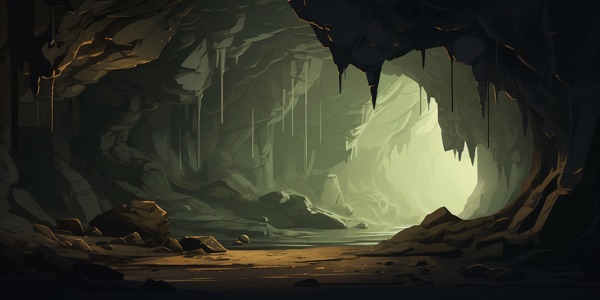
Inside these quiet caverns, nature is always at work. Over time, dripping water leaves behind mineral deposits. From the cave's ceiling, stalactites hang down like nature's chandeliers, while from the ground, stalagmites rise to meet them. And in some caves, the two join to create mighty pillars. But the artistry doesn't stop there. Visitors can also gaze upon flowstones that appear like cascading waterfalls, delicate draperies that look almost like curtains, and the winding helictites that defy gravity with their odd shapes.
3. Cave Ecosystems: A World in the Dark
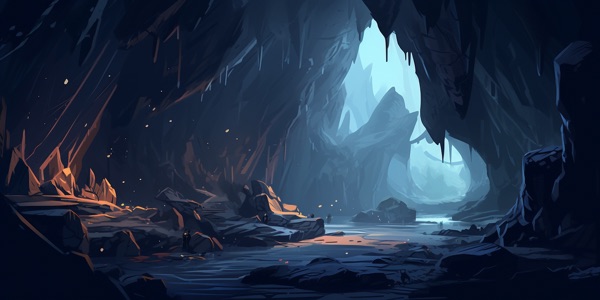
Beyond their geological wonders, caves are thriving ecosystems. In the perpetual darkness, life has evolved differently. Creatures like the blind cavefish, having no use for eyes, or glow-in-the-dark fungi, illuminate parts of the cave. These organisms have adapted over millennia, relying heavily on nutrients from outside sources, brought in by water or wind, making their survival a testament to nature's tenacity and creativity.
4. Caves as Historical Vaults

Beyond natural wonders, caves are time capsules. They've provided shelter to our ancestors, serving as homes and later as canvases for prehistoric art. Delving into these caves, we discover relics, paintings, and artefacts, which provide invaluable insights into ancient cultures, their beliefs, rituals, and daily life.
5. The Dangers and Ethics of Caving

The allure of the unexplored often calls adventurers to spelunking or caving. However, this isn't a venture without its perils. Narrow passages, sudden drops, or even submerged sections can pose significant challenges. Moreover, the delicate environment inside a cave can be easily disrupted. Speleologists and enthusiasts alike advocate for "cave ethics": principles to ensure the safety of both explorers and the fragile ecosystems within.
6. Conservation: Protecting the Subterranean Marvels
The beauty and significance of caves have also made them vulnerable. Popular caves can suffer from the pressures of tourism, while others face threats from mining or pollution. Conservation efforts are imperative. By understanding their ecological, historical, and cultural importance, we can take steps to ensure their protection and preservation for future explorers.
 Lingard

 Desert Landscapes: Understanding Unique Ecology and Adaptations
 The Healing Power of Nature: Exploring the Benefits of Ecotherapy
 Ocean Conservation: Safeguarding Marine Ecosystems for the Generations Ahead
 Tech and Gadgets for Summer Vacation: Useful Apps and Devices
 Traveling to a Country House: Preparation, Garden Care, and Relaxing in Nature
 The Role of Bees in Ecosystems: Importance, Challenges, and Conservation
 Art Inspired by Nature: Harnessing the Environment as a Creative Source
 Bird Watching for Beginners: Exploring the Fascinating World of Avian Life
 Natural Reserves: Protected Areas for Biodiversity Conservation
 Outdoor Photography: Tips & Tricks
 Simple Ways to Live More Sustainably
 The school for astronauts hidden inside a Swiss mountain