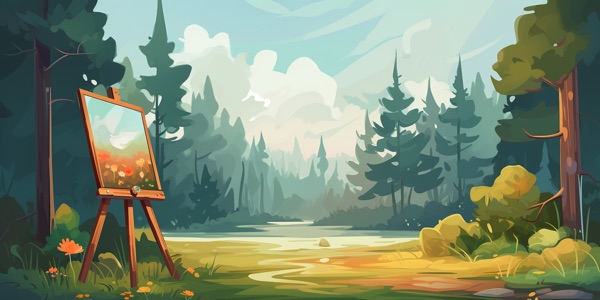
The natural world has long been a muse for artists seeking inspiration and a connection to the world around them. From ancient cave paintings to modern installations, art inspired by nature has captivated audiences and reflected the beauty and complexity of the environment. This article explores the fascinating realm of nature-inspired art and how artists use the world around them as a wellspring of creativity.
1. A Timeless Connection
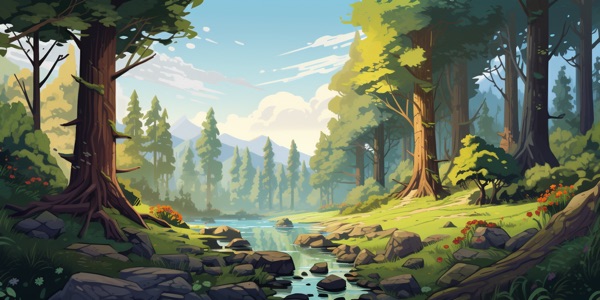
Throughout history, artists have turned to nature for inspiration. The intricate patterns of leaves, the vibrant colors of flowers, and the serenity of landscapes have all influenced the creative process. Nature's ever-changing forms and textures provide a rich tapestry of visuals that artists can draw from to convey emotions and ideas in their work.
2. Mediums and Techniques
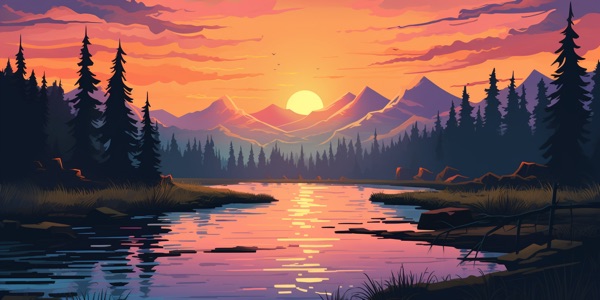
Artists use various mediums and techniques to capture the essence of nature in their creations. Traditional artists might employ techniques like painting, drawing, and sculpture to recreate the world's beauty on canvas or in three dimensions. Contemporary artists experiment with innovative mediums such as digital art, installations, and mixed media to explore nature's themes in new and thought-provoking ways.
3. Environmental Awareness and Advocacy
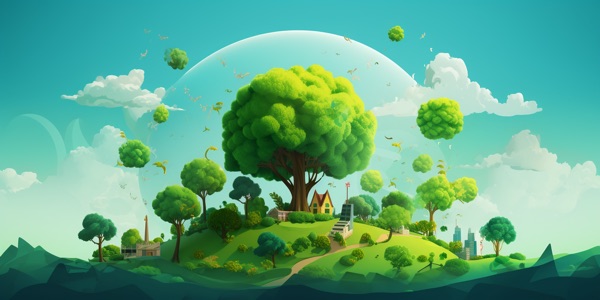
Nature-inspired art often goes beyond mere aesthetics, serving as a platform for environmental awareness and advocacy. Many artists use their work to address issues like climate change, habitat destruction, and the importance of conservation. By highlighting the beauty of the natural world, these artists encourage viewers to appreciate and protect the environment.
4. Cultural and Spiritual Significance
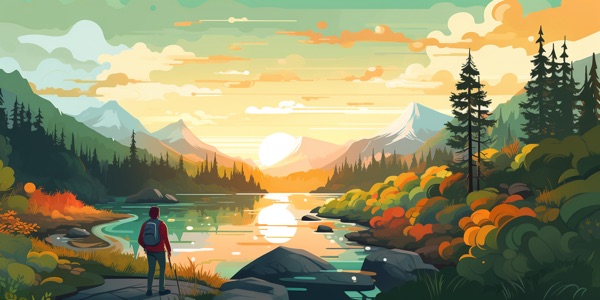
Artistic depictions of nature have profound cultural and spiritual significance in various societies. Indigenous art, for instance, often incorporates symbols and motifs from the natural world to reflect spiritual beliefs and a deep connection to the land. Similarly, many ancient civilizations used nature-inspired art to pay homage to the deities associated with the elements.
5. Art and Scientific Exploration
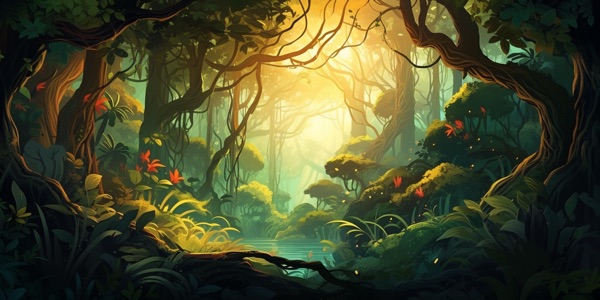
Nature-inspired art often intersects with scientific exploration, particularly in fields like biology and ecology. Scientific illustrations and botanical drawings, for example, capture the intricacies of flora and fauna, contributing to our understanding of the natural world. These artworks bridge the gap between art and science, providing visual records that aid in education and research.
6. Personal Expression and Reflection
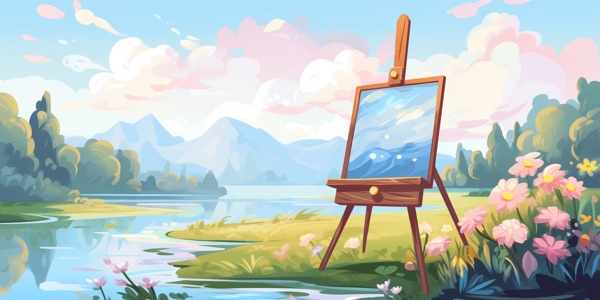
Creating nature-inspired art can be a deeply personal process for artists. It allows them to express their own perceptions and experiences of the environment. Some artists find solace and introspection in immersing themselves in the act of creation, using their art as a means to connect with the world and make sense of their place in it.
 Lingard
 Tech and Gadgets for Summer Vacation: Useful Apps and Devices
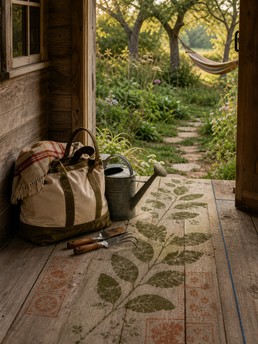 Traveling to a Country House: Preparation, Garden Care, and Relaxing in Nature
 The Role of Bees in Ecosystems: Importance, Challenges, and Conservation
 Bird Watching for Beginners: Exploring the Fascinating World of Avian Life
 Natural Reserves: Protected Areas for Biodiversity Conservation
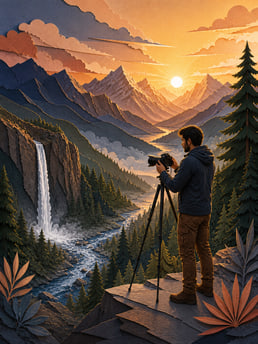 Outdoor Photography: Tips & Tricks
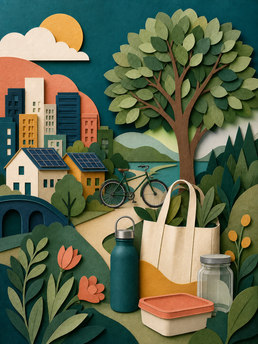 Simple Ways to Live More Sustainably
 Beach Vacation Essentials: Choosing Swimwear, Sun Protection, and Water Safety
 Desert Landscapes: Understanding Unique Ecology and Adaptations
 Exploring Caves: Uncovering the Hidden Beauty of Subterranean Formations
 The Healing Power of Nature: Exploring the Benefits of Ecotherapy
 Ocean Conservation: Safeguarding Marine Ecosystems for the Generations Ahead