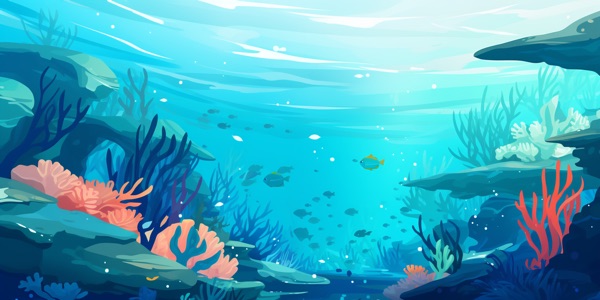
The boundless oceans that envelop our planet hold a myriad of mysteries and wonders, from the majestic marine mammals to the smallest, intricate corals. With our growing awareness of the significance of these underwater realms, the urgency to protect them intensifies, driven by the responsibility we bear for the well-being of generations to come. This article delves into the crucial topic of ocean conservation, examining the importance of these marine ecosystems and the multifaceted strategies aimed at ensuring their preservation.
1. Biodiversity: The Heartbeat of the Oceans
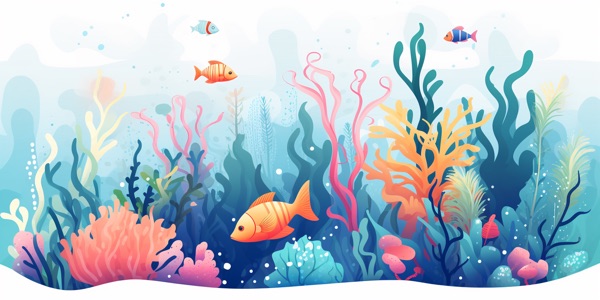
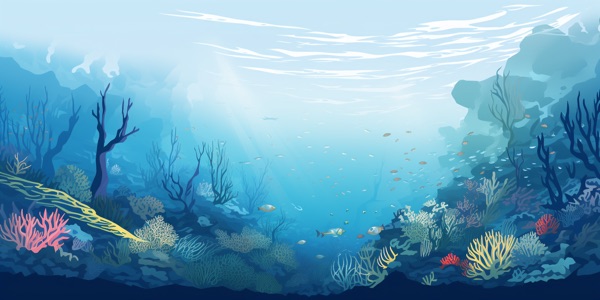
At the core of ocean conservation lies the remarkable diversity of life teeming within its depths. From the vibrant coral reefs to the mysterious abyss, each ecosystem is a treasure trove of interconnected species. This biodiversity acts as a foundation for ecological equilibrium, sustaining the intricate web of relationships that keeps our oceans thriving.
2. Pressing Threats to Marine Habitats
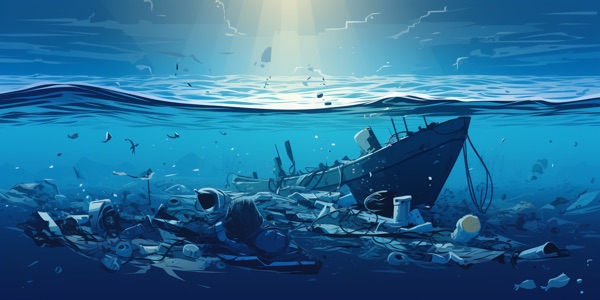
While the oceans are resilient, they are not immune to the impacts of human activities. Overfishing, habitat destruction, pollution, and climate change have collectively cast a shadow on the marine world. The pervasive problem of plastic pollution, in particular, stands as a stark reminder of the need for immediate action to safeguard marine life.
3. Marine Protected Areas: Refuges of Resilience
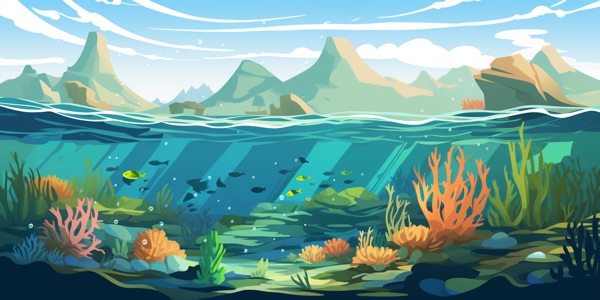
A beacon of hope in the struggle for ocean conservation is the concept of Marine Protected Areas (MPAs). These designated zones act as sanctuaries where human influence is carefully managed to allow marine life to flourish. By safeguarding habitats, MPAs play a critical role in maintaining biodiversity and preserving the delicate balance of marine ecosystems.
4. The Imperative of Sustainable Fishing Practices
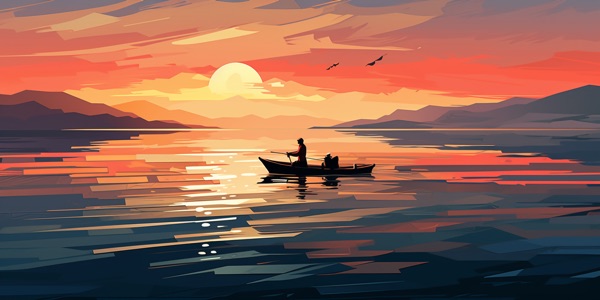
Fisheries provide sustenance to millions, but unsustainable practices jeopardize fish stocks and the health of ocean ecosystems. Embracing sustainable fishing techniques, such as regulating catch limits, safeguarding spawning grounds, and mitigating bycatch, is essential to guaranteeing the continuity of marine life and the livelihoods of communities reliant on fishing.
5. Rising to the Climate Change Challenge

The specter of climate change looms over the oceans, manifesting through rising sea temperatures, acidification, and intensified storms. Confronting this challenge demands global commitment to reduce carbon emissions, enabling marine ecosystems to adapt and endure in the face of this monumental threat.
6. Empowering the Guardians of the Sea: Collective Responsibility
The path to ocean conservation is one of shared responsibility. Individuals hold the power to make a difference through daily choices that reduce plastic waste, support sustainable seafood, and advocate for change. Governments and international bodies must enact policies that encourage ocean-friendly practices and foster cooperation among nations.
 Lingard
 Desert Landscapes: Understanding Unique Ecology and Adaptations
 Exploring Caves: Uncovering the Hidden Beauty of Subterranean Formations
 The Healing Power of Nature: Exploring the Benefits of Ecotherapy
 Tech and Gadgets for Summer Vacation: Useful Apps and Devices
 Traveling to a Country House: Preparation, Garden Care, and Relaxing in Nature
 The Role of Bees in Ecosystems: Importance, Challenges, and Conservation
 Art Inspired by Nature: Harnessing the Environment as a Creative Source
 Bird Watching for Beginners: Exploring the Fascinating World of Avian Life
 Natural Reserves: Protected Areas for Biodiversity Conservation
 Outdoor Photography: Tips & Tricks
 Simple Ways to Live More Sustainably
 The school for astronauts hidden inside a Swiss mountain