
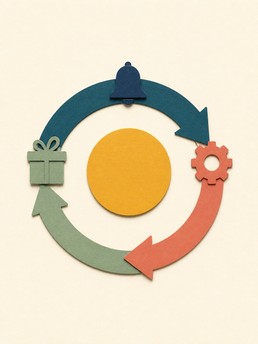
Habits are an integral part of our daily lives, influencing our behaviors and routines. Understanding the habit loop, a mechanism composed of three key elements – signal, reaction, and reward – can shed light on why habits are formed and how they can be modified. This article explores the fundamental aspects of the habit loop and its impact on our behaviors.
1. The Signal: Cue for Action

The habit loop begins with the signal, also known as the cue or trigger. This is a specific event, emotion, or circumstance that initiates the habit. It serves as a prompt for our brains to go into automatic mode and initiate the associated behavior. Common signals include specific times of the day, certain locations, emotional states, or even the presence of certain people.
2. The Reaction: Habitual Behavior

Once the signal is received, our brains engage in a habitual behavior in response. This behavior is the reaction to the signal and is often performed without conscious thought. Habits can encompass a wide range of actions, from brushing teeth in the morning to checking social media when bored. These behaviors are repeated due to their connection with the signal.
3. The Reward: Positive Reinforcement
The reward is the positive outcome that follows the habitual behavior. It reinforces the connection between the signal and the reaction, encouraging the brain to remember the pattern and repeat it in the future. Rewards trigger the release of feel-good chemicals in the brain, such as dopamine, which further strengthens the habit loop.

Breaking Down the Habit Loop:
Understanding the habit loop involves recognizing how these three components interact:
- The Signal: Identify the cue or trigger that initiates the habit. This may involve reflecting on when and why the behavior occurs.
- The Reaction: Recognize the habitual behavior that follows the signal. This step involves acknowledging the automatic response that occurs.
- The Reward: Explore the positive outcome or satisfaction that comes from completing the behavior. Identifying the reward helps decipher why the habit persists.
Modifying the Habit Loop:
Modifying or creating new habits involves reshaping the habit loop. This can be achieved by:
- Changing the Signal: Altering the cues that prompt the behavior. For instance, if the habit is snacking when stressed, replacing stress with a different emotion can disrupt the loop.
- Modifying the Reaction: Introducing a new behavior that serves the same purpose as the old habit but in a healthier way. For example, substituting sugary snacks with a piece of fruit.
- Rewriting the Reward: Finding a satisfying reward that encourages the desired behavior. This can involve associating positive feelings with the new habit.
 Lingard
 Your Phone and Your Sleep
 Developing a Reading Habit: Embracing Reading as an Engaging and Beneficial Activity
 Breaking Bad Eating Habits Cycle
 How to Build Habits That Stick
 How Much Water Do You Need?
 Walking: 10 Minutes a Day
 Cutting Down on Coffee? Why Your Dreams May Feel Stronger
 Sourdough vs White Bread: What Should We Be Eating?
 How noise sensitivity disrupts the mind, brain and body
 You're busy, but not tired? Maybe you just forgot what real rest feels like
 Building Habits Through Interaction with Artificial Intelligence
 Habits of Self-Discipline for Personal and Professional Growth