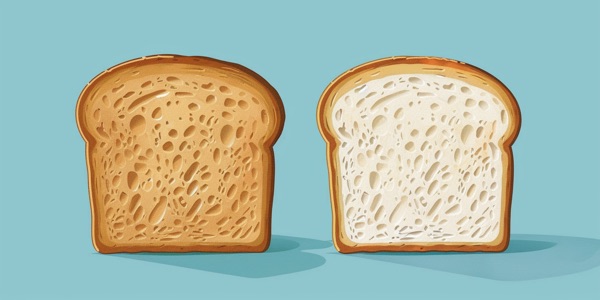
When you walk into a supermarket, there are many types of bread to choose from. Some are soft and white. Others are brown, with seeds. Some are called “wholegrain”. Others are called “sourdough”. All of them look good, but not all of them are healthy. So how do we know which bread is best for us? The bread we eat every day can affect how we feel — and even how long we stay full.
The fast bread we eat most often
Most bread in the world today is made very quickly in large factories. This method was first used in the 1950s. It uses fast mixing, extra yeast, and added ingredients like chemicals and fats. These help the dough rise faster and make the bread softer. The bread also lasts longer on the shelf. That's why it is popular — it is cheap, easy to make, and stays fresh for many days.
But there is a problem. To make bread this fast, factories use ingredients we don't usually have in our kitchens — like emulsifiers, oxidants, or artificial preservatives. These are not dangerous in small amounts, but scientists say that eating too many of them, too often, is not good for our health. Bread made this way is often called “ultra-processed”. It may look fresh and soft, but it gives our body very little nutrition.
The slow beauty of sourdough
Sourdough bread is made in a different way. It takes more time, but also gives more taste and health benefits. To make sourdough, you don't use normal yeast. You use a “starter” — a live mix of flour and water with natural bacteria and yeast. The dough rises slowly, often over many hours. Some people let their dough rise overnight in the fridge, which gives it a special flavour.
Sourdough bread has only a few ingredients: flour, water, salt, and the starter. No sugar, no chemicals, no oils. Because the dough rises slowly, it is easier to digest. The good bacteria help break down gluten and make vitamins and minerals easier for the body to use. Some studies also say that sourdough bread can keep you full for longer and help with blood sugar levels. Many people who eat sourdough say they feel better after eating it.
Is supermarket bread bad for you?
Not all supermarket bread is bad, but much of it is ultra-processed. That means it contains more than five ingredients, including things you might not recognize. If a bread has sugar, oil, or many added chemicals, it is probably ultra-processed. These types of bread are soft and sweet, but they do not give your body much fibre, protein, or nutrients.
Also, many white breads are made with refined flour. This means most of the good parts of the wheat grain — like the bran and the germ — are removed. What's left is mostly starch. This makes the bread light and fluffy, but it also makes it less healthy.
If you want to eat better bread, try reading the label. Look for simple ingredients. The fewer, the better.
Why wholegrain bread is better
Wholegrain bread uses all parts of the wheat grain — the outside (bran), the middle (endosperm), and the inside (germ). This means it has more fibre, vitamins, and minerals. Fibre is important because it helps you digest food slowly. When you eat wholegrain bread, you feel full longer, and your blood sugar rises more slowly.
Eating more wholegrains is also good for your heart, your weight, and even your gut health. People who eat more wholegrains often have lower body weight and less belly fat. Wholegrain bread also has more natural taste and texture — you may need time to get used to it, but your body will thank you.
Be careful, though: just because bread looks brown does not mean it is wholegrain. Some breads are coloured to look healthy, but they are still made with white flour. Check the ingredients to make sure “wholegrain flour” is the first thing on the list.
What if you like white bread?
Many people enjoy white bread — and that's okay. Luckily, there is new research that may help. Scientists are now working on new types of bread that look and taste like white bread but are made with healthy ingredients. These loaves may include peas, beans, ancient grains, and seeds. They will still be soft and light, but with more fibre, protein, and important vitamins. These breads are not in every store yet, but they may be soon.
In the meantime, you can also get wholegrains from other foods: brown rice, oats, quinoa, or even popcorn. You don't have to give up white bread completely — but try to add more fibre to your diet in other ways.
So, what bread should we eat?
The best bread for you depends on your lifestyle and your budget. Sourdough is a great choice if you have time to bake or can find it in a shop with a short, clean list of ingredients. It is natural, tasty, and full of good bacteria. But good sourdough can be expensive. If you buy bread at the supermarket, choose a loaf that has simple ingredients and uses wholegrain flour.
Avoid bread that has added sugar, oil, or strange words you don't recognize. Look for “wholegrain” or “wholemeal” on the label, and check if it's really made from whole flour. You can also freeze slices of bread at home so they last longer.
In the end, the best bread is the one that makes you feel good — full of energy, not just full of air. Choose what's real, what's simple, and what your body understands.
 Lingard
 Cutting Down on Coffee? Why Your Dreams May Feel Stronger
 The surprising foods that lead to better sleep
 How noise sensitivity disrupts the mind, brain and body
 Should we all be taking vitamin supplements?
 You're busy, but not tired? Maybe you just forgot what real rest feels like
 Sugar: How Much Is Too Much?
 Your Phone and Your Sleep
 How Long Can You Stay Awake? Exploring the Limits of the Human Body
 The Science of Changing Your Mind
 Why is Breakfast so Important?
 How Much Water Do You Need?
 Walking: 10 Minutes a Day