The words readers of this text looked up most, each with its meaning and the line it comes from.
deprivation / ˌdɛprɪˈveɪʃən /nounThe state of lacking adequate sleep
The patient suffered from sleep deprivation due to his work schedule.
insomniasleep disorder
the natural periodic suspension of consciousness during which the powers of the body are restored
After 48 hours without sleep: Problems with perception of reality begin.
restslumberdormancy
cognitive / ˈkɒɡnətɪv /adjectiveRelating to the mental processes of thinking, understanding, learning, and remembering
After 24 hours without sleep: Cognitive functions begin to decline.
intellectualmental
hallucinations / həˌluːsɪˈneɪʃən /nounAn experience involving the apparent perception of something not present
The fever caused him to have hallucinations.
delusionillusion
essential / ɪˈsɛnʃəl /adjectiveabsolutely necessary or required
Water is essential for life.
necessaryvitalcrucial
deteriorates / dɪˈtɪəriəreɪts /verbTo become progressively worse
The patient's condition deteriorates rapidly.
worsendeclinedegenerate
severe / sɪˈvɪər /adjectiveVery great or intense
He suffered severe injuries in the accident.
acutecriticaldrastic
irreversible / ɪˌrɛvɜːsɪbəl /adjectiveNot able to be undone or altered
The person can no longer adequately respond to external stimuli, and the risk of mental disorders and irreversible brain damage increases.
permanentirrevocable
To prevent from having something; to suffer a deprivation
when we deprive ourselves of sleep
deprivation
experience / ɪkˈspɪəriəns /verbTo undergo or live through an event or situation
A person may experience hallucinations.
feelundergoencounter
To become feeble or reduced in strength; to diminish
The signal weakens as the battery dies.
declinediminishfade
disorders / dɪsˈɔːrdərz /nouna mental or physical condition in which there is disturbance of normal functioning
risk of mental disorders increases
syndromediseasecondition
 Lingard
 How noise sensitivity disrupts the mind, brain and body
 You're busy, but not tired? Maybe you just forgot what real rest feels like
 Sourdough vs White Bread: What Should We Be Eating?
 The surprising foods that lead to better sleep
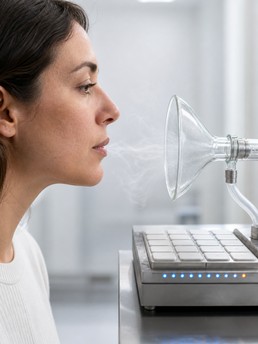 What body odour reveals about your health
 Should we all be taking vitamin supplements?
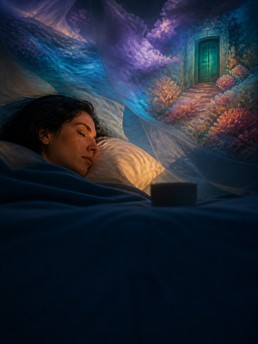 Cutting Down on Coffee? Why Your Dreams May Feel Stronger
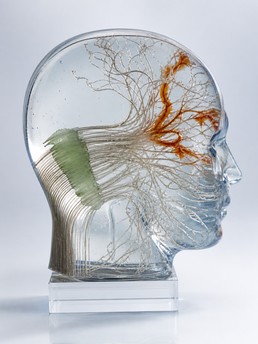 The Science of Changing Your Mind
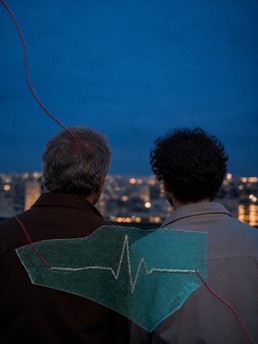 The Healing Power of Human Connection in a Sometimes Lonely World
 Life is Over. What's Next?
 The school for astronauts hidden inside a Swiss mountain
 Health in the Workplace: Strategies for Well-being