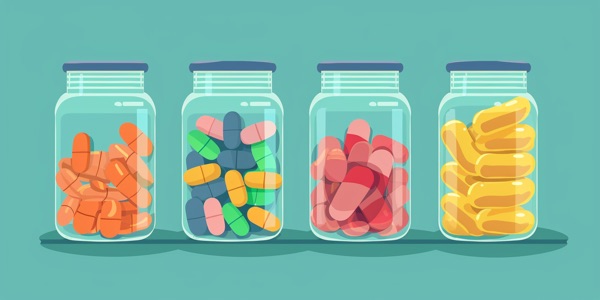
Every year, billions of people buy vitamin and mineral supplements, hoping to boost their health, increase their energy, or prevent illness. It's a routine that feels responsible — almost essential — in today's fast-moving, convenience-driven world. After all, most of us don't eat as many fresh fruits and vegetables as we should. So taking a daily pill feels like an easy solution. But is it?
While some supplements can be useful in specific cases, growing evidence suggests that many people may be taking them unnecessarily — and in some cases, even putting their health at risk.
Why we take vitamins
Vitamins and minerals are essential nutrients — our bodies can't produce them on their own, and yet we need them to survive and thrive. Vitamin A supports vision and skin health, vitamin C helps our immune system, and vitamin K plays a key role in blood clotting. Minerals such as calcium, magnesium, and selenium are also crucial for everything from bone strength to nerve function.
Ideally, we should get all these micronutrients from food. But for many people, that's not happening. Highly processed foods, fast meals, and busy lifestyles mean fewer vegetables, less fibre, and more empty calories. Research shows that many people, especially in Western countries, eat far below the recommended amounts of fruits and vegetables — sometimes half the suggested daily amount or less.
This is where supplements come in — to fill the nutritional gaps. But whether they actually succeed in doing so is a far more complex question.
The supplement industry is booming — but is it working?
The global supplement market is worth over $30 billion. In the US alone, more than 70% of adults take vitamins regularly, and many believe they're essential for health. However, despite their popularity, vitamin supplements remain controversial. Clinical trials have produced mixed — and sometimes contradictory — results. Some studies suggest benefits, especially in older adults or people with specific deficiencies. Others show no effect at all. And in a few cases, supplements have been shown to cause harm.
One common example is vitamin C. Decades ago, it was promoted as a cure-all — a magical solution for everything from the common cold to serious diseases like cancer. But modern research has firmly debunked these claims. High doses of vitamin C have not been shown to prevent colds or cure disease. Yet the belief persists, and so do the products on the shelves — some with up to 1,000% of the recommended daily dose.
When supplements harm more than help
Many people assume that if something is good in small amounts, more must be better. But this logic does not apply to vitamins. In fact, excessive doses of certain micronutrients can be dangerous. Taking too much vitamin D, for example, can lead to serious health issues — including seizures, kidney damage, or even death in extreme cases. The same applies to vitamin A, which in high doses has been linked to headaches, blurred vision, nausea, and — in severe cases — coma.
There is also evidence that large doses of antioxidants such as beta-carotene or vitamin E can increase health risks rather than lower them. In smokers, for instance, beta-carotene supplements have been shown to raise the risk of lung cancer. High doses of vitamin E may increase the risk of stroke. This challenges the earlier assumption that antioxidants can prevent disease by neutralising harmful free radicals. At very high levels, antioxidants may even act as pro-oxidants, creating the very damage they were meant to prevent.
Vitamin D: a special case
While most people don't need high-dose supplements, vitamin D is one exception worth noting. Our bodies can produce vitamin D when our skin is exposed to sunlight. But in many parts of the world, especially during winter, sunlight is weak or limited — and many people spend most of their time indoors. As a result, vitamin D deficiency is common, particularly among older adults or people living in northern climates.
Studies have linked vitamin D deficiency to bone weakness, higher risk of certain cancers, and even autoimmune diseases. In large clinical trials, vitamin D supplements have been shown to reduce cancer deaths (though not diagnoses) and to lower the risk of conditions like rheumatoid arthritis and psoriasis. Still, not everyone benefits equally. People with already adequate vitamin D levels are unlikely to see further gains.
In short: vitamin D supplements may be useful — but only if you're not getting enough from the sun or food.
What about multivitamins?
Multivitamins remain a popular option for people seeking general health support. But do they actually work?
Some large trials suggest they might — at least for some people. One long-term study found that taking a multivitamin daily was associated with a small but significant reduction in cancer risk, especially in people over the age of 70. Another recent trial linked daily multivitamins to slower cognitive decline in older adults. There is also some evidence they may reduce the risk of cataracts.
However, these benefits are relatively small, and they appear mostly in older adults — perhaps because their diets are less varied, or their ability to absorb nutrients is reduced with age. For healthy adults with balanced diets, multivitamins seem to offer little or no benefit.
Getting nutrients from food is still the best choice
Most nutrition experts agree: the best way to get your vitamins is through a healthy, balanced diet. That means plenty of vegetables, fruits, whole grains, nuts, fish, and dairy. Not only do whole foods provide vitamins and minerals in a natural form, but they also include fibre, phytonutrients, and other compounds that pills cannot replace.
What's more, the body often absorbs nutrients from food more efficiently than from supplements. Taking large doses of one isolated nutrient — like beta-carotene or zinc — can interfere with the absorption of others. Whole foods provide a balance that pills can't match.
When supplements make sense
There are situations where vitamin supplements may be helpful or even necessary. For example:
- Pregnant women should take folic acid to reduce the risk of birth defects.
- Vegans and vegetarians may benefit from vitamin B12, vitamin D, and omega-3 supplements.
- Older adults, especially those over 60, may benefit from low-dose multivitamins, especially if their diets are limited.
- People with certain medical conditions (like Crohn's disease or diabetes) that reduce absorption of nutrients may need supplementation.
- Anyone living in low-sunlight regions may benefit from vitamin D during the winter months.
However, taking more than the recommended daily amount is rarely helpful — and sometimes harmful.
Conclusion: balance, not excess
Vitamins and minerals are essential for life. But more is not always better. Supplements can be useful when there is a clear deficiency — or when lifestyle, health, or age makes it harder to get everything from food. But they are not a substitute for a nutritious, balanced diet.
If you eat well most of the time, you probably don't need a supplement. If you're unsure, a standard multivitamin may serve as a form of “insurance” — but it's no magic bullet. And “mega-dosing” is not only unnecessary but can be risky.
In the end, good health isn't found in a pill. It's built from the choices we make every day — on our plates, in our routines, and in how we care for our bodies.
 Lingard

 Cutting Down on Coffee? Why Your Dreams May Feel Stronger
 Sourdough vs White Bread: What Should We Be Eating?
 How noise sensitivity disrupts the mind, brain and body
 What body odour reveals about your health
 How Long Can You Stay Awake? Exploring the Limits of the Human Body
 The surprising foods that lead to better sleep
 You're busy, but not tired? Maybe you just forgot what real rest feels like
 How Much Water Do You Need?
 Walking: 10 Minutes a Day
 Why Do We Sleep?
 Your Phone and Your Sleep
 The Science of Changing Your Mind