
The journey of medicine, spanning thousands of years, is a tale of mankind's undying effort to combat diseases and improve health outcomes. Over time, medicine has transformed, shaped by cultural, technological, and scientific advancements. Let's embark on a journey through time to understand this evolution.
1. Ancient Medical Practices
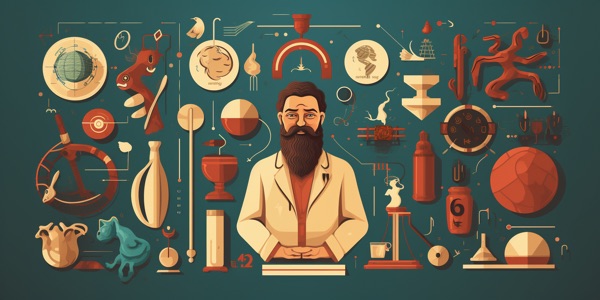
In ancient times, health and disease were often understood within a spiritual or supernatural context. Rituals, chants, and the use of herbs were common. Ancient Egyptians practiced surgery and dentistry, while the Greeks believed in the healing power of the environment, giving birth to the concept of sanatoriums.
2. Middle Ages: A Mix of Mysticism
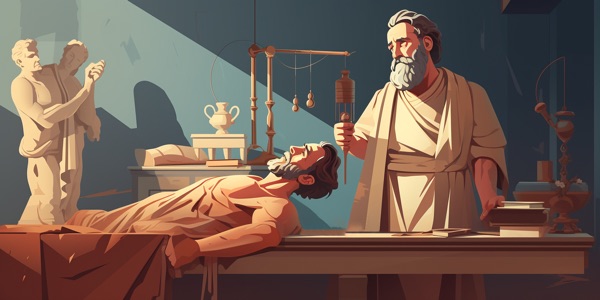
The Middle Ages saw a blend of spiritual healing and rudimentary medical practices. While monasteries preserved some medical knowledge, superstitions, like the belief in evil spirits causing diseases, prevailed. However, the groundwork for more systematic medical approaches was laid during this period.
3. Renaissance: Rebirth of Medical Knowledge

The Renaissance period was pivotal. With the rediscovery of ancient Greek and Roman medical texts, there was a renewed focus on the human body. Leonardo da Vinci's anatomical drawings are a testament to the growing interest in understanding human physiology.
4. 19th Century: Birth of Modern Medicine

The 1800s witnessed groundbreaking discoveries. The germ theory proposed that microorganisms cause diseases, drastically changing medical perspectives. This century also saw the development of vaccines, anesthesia, and improved surgical techniques, setting the stage for modern medicine.
5. 20th Century: Golden Age of Medicine

The 1900s can be termed the golden age of medicine. Antibiotics were discovered, surgical procedures became more advanced, and technology began playing a pivotal role in diagnostics and treatment. Furthermore, the establishment of global health organizations improved health care access and disease management worldwide.
6. Contemporary Era: Technological Revolution

Today, medicine is at the cusp of another major revolution. With advancements in genetics, we are moving towards personalized medicine. Robotics, artificial intelligence, and telemedicine are transforming patient care. Biomedical research is ushering in newer, more targeted therapies for various ailments.
7. Future Outlook: Boundless Possibilities

As we look ahead, the possibilities seem endless. From regenerative medicine, which focuses on replacing damaged tissues and organs, to the potential of nanomedicine in targeting diseases at a molecular level, the future promises breakthroughs that could once again redefine our understanding of health and healing.
 Lingard
 The school for astronauts hidden inside a Swiss mountain
 The Universe's Prime Number: The Mystery of Alpha and the Blueprint of Reality
 How Long Can You Stay Awake? Exploring the Limits of the Human Body
 A Brief History of Humankind
 The Universe Beyond Our Galaxy: Uncovering Exoplanets and Cosmic Phenomena
 Exploring Outer Space: Current Missions and Future Prospects
 Breakthroughs in Nanotechnology: A Revolution in Science on a Microscopic Scale
 Cutting Down on Coffee? Why Your Dreams May Feel Stronger
 The surprising foods that lead to better sleep
 Why you age slower on a plane
 Should we all be taking vitamin supplements?
 Sourdough vs White Bread: What Should We Be Eating?