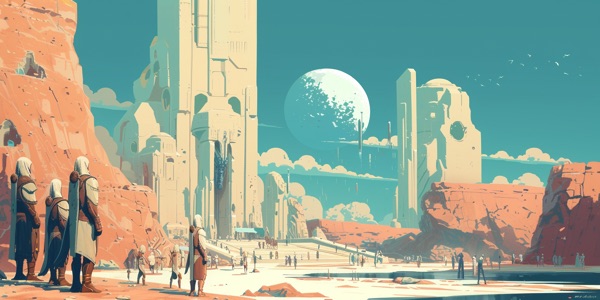
The saga of humankind is a tapestry rich with innovation, discovery, and transformation. Spanning millions of years, this journey from the plains of Africa to the modern digital world reflects our relentless spirit and adaptability. Here's a more detailed exploration of our past.
1. Origins of Humanity
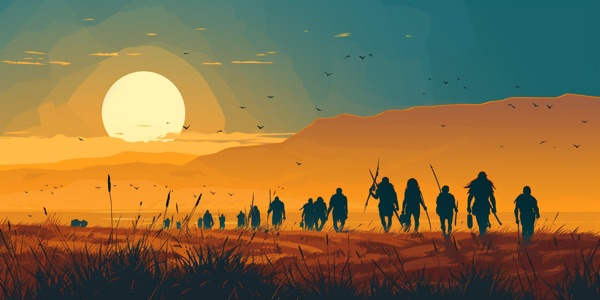
Our story begins in the heart of Africa, where the first hominids emerged over 6 million years ago. The evolutionary path led to the appearance of Homo sapiens around 300,000 years ago. These early humans were characterized by their use of tools, development of language, and ability to control fire, setting the stage for the incredible journey ahead.
2. The Birth of Civilization
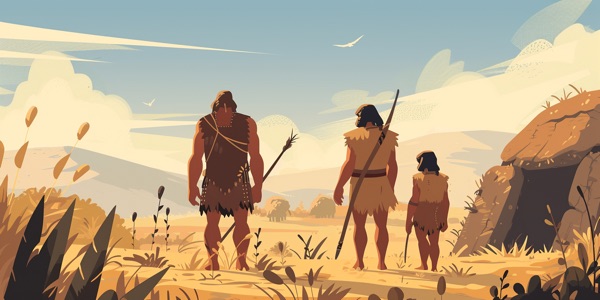
As the last Ice Age ended around 10,000 BC, a dramatic shift occurred. The Agricultural Revolution, first in the fertile regions of the Middle East, saw humans transitioning from nomadic lifestyles to settled farming communities. This shift allowed for the accumulation of resources and the rise of complex societies.
3. Ancient Empires and Philosophies
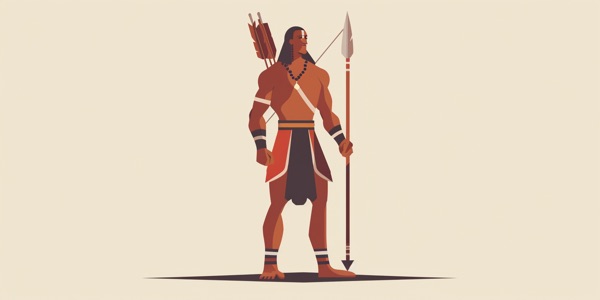
By 3000 BC, the banks of the Nile, the valleys of the Tigris and Euphrates, the Indus River, and the Yellow River had become cradles of early civilizations. Each developed its unique system of writing, governance, and culture. The Greeks and Romans later built on these foundations, introducing concepts of democracy, philosophy, and the arts that remain central to Western culture.
4. The Middle Ages
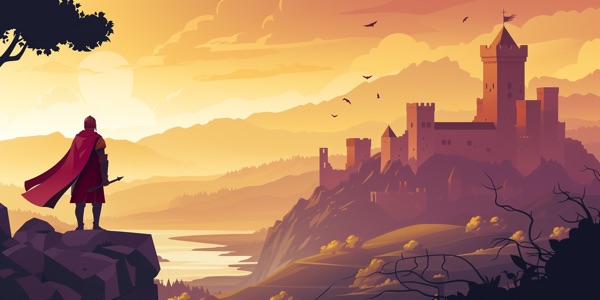
Following the fall of Rome, Europe entered a period known as the Middle Ages. This era saw the rise of feudalism, the spread of Christianity, and the establishment of powerful kingdoms. Meanwhile, the Islamic Golden Age flourished, making significant advances in science, medicine, and philosophy.
5. Renaissance to Enlightenment

The Renaissance rekindled interest in the arts and sciences, leading to a flurry of innovation and discovery. This period seamlessly transitioned into the Enlightenment, where thinkers like Newton and Descartes revolutionized our understanding of the natural world. These centuries laid the groundwork for modern science, politics, and philosophy.
6. The Industrial Revolution
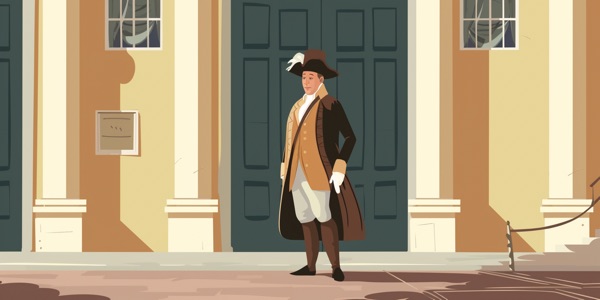
The late 18th century heralded the Industrial Revolution, beginning in Britain. Innovations such as the steam engine and power loom transformed economies and societies, shifting the focus from agriculture to industry and urbanization. This period also saw the rise of significant social and economic theories, including capitalism and socialism.
7. The 20th Century: A Century of Extremes

The 20th century was marked by unprecedented progress and profound tragedies. Two World Wars reshaped global power structures, while the Cold War divided the world into ideological camps. Simultaneously, technological advancements, from the automobile to the internet, radically changed daily life. The century concluded with globalization and the digital revolution, ushering in a new era of interconnectedness.
8. The 21st Century: Challenges and Opportunities

Today, humanity stands at a crossroads, facing challenges like climate change, inequality, and the ethical dilemmas posed by technological advancements such as artificial intelligence. Yet, this era also presents unparalleled opportunities for innovation, exploration, and understanding, particularly in fields like genetics, renewable energy, and space exploration.
From our humble beginnings to our current global civilization, the history of humankind is a testament to our resilience, curiosity, and relentless pursuit of progress. As we continue to navigate the complexities of the modern world, the lessons of our past provide valuable insights for shaping a sustainable and inclusive future.
 Lingard
 Why you age slower on a plane
 Mud, water and wood: The system that kept a 1604-year-old city afloat
 The Science of Our Past, Present and Future
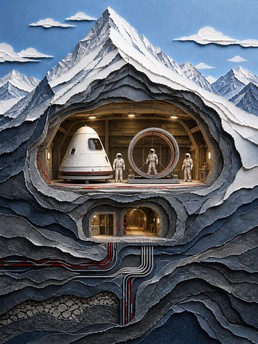 The school for astronauts hidden inside a Swiss mountain
 The Spirit of Woodstock: The Birth of a Revolution
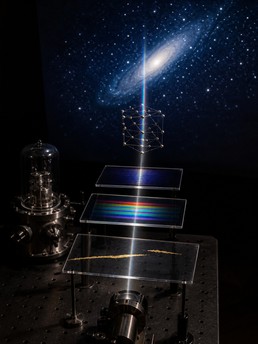 The Universe's Prime Number: The Mystery of Alpha and the Blueprint of Reality
 How Long Can You Stay Awake? Exploring the Limits of the Human Body
 The Universe Beyond Our Galaxy: Uncovering Exoplanets and Cosmic Phenomena
 Evolution of Medicine: From Traditional Methods to Modern Discoveries
 Exploring Outer Space: Current Missions and Future Prospects
 Breakthroughs in Nanotechnology: A Revolution in Science on a Microscopic Scale
 Cutting Down on Coffee? Why Your Dreams May Feel Stronger