
Changing your mind might seem like a simple decision, but there's a complex science behind why and how we shift our opinions and beliefs. Understanding this process can help us become more open-minded and adaptable to new information. Here's a look at the key aspects of the science behind changing your mind.
1. The Role of Neuroplasticity

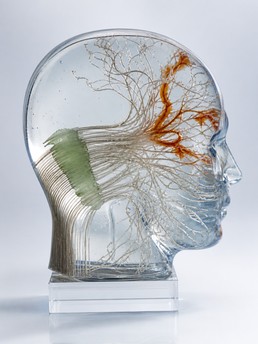
Neuroplasticity is the brain's ability to reorganize itself by forming new neural connections throughout life. This ability means that our brains are not fixed but are continually changing in response to our experiences, learning, and interactions. When you learn something new or consider a different perspective, your brain physically changes. This process is at the core of changing your mind.
2. The Impact of New Information

When presented with new information, our brain has to decide whether to accept it or reject it. This decision often depends on how this new information aligns with our existing beliefs. If the information is compelling and credible enough, it can lead to a change in thoughts, beliefs, or even long-standing opinions. That's why exposure to a wide range of information and experiences is crucial for fostering open-mindedness.
3. Emotional Influence

Emotions play a significant role in decision-making and changing our minds. Sometimes, a strong emotional response to new information might lead us to change our minds more quickly. Other times, if new information makes us feel uncomfortable or threatened, we might resist changing our minds. Being aware of the emotional aspects of our decisions can help us manage them more effectively and remain open to change.
4. Confirmation Bias

One of the significant barriers to changing our minds is confirmation bias, which is the tendency to search for, interpret, favor, and recall information in a way that confirms our preexisting beliefs. Being aware of this bias is the first step in overcoming it. Actively seeking out information that challenges your views is a healthy practice that can facilitate mind change.
5. Social Influence

We are social creatures, and our social environment can significantly impact our beliefs and opinions. Peer pressure, societal norms, and the desire to fit in can either hinder or help in changing our minds. Surrounding yourself with a diverse group of people who are open to discussing various viewpoints can create an environment conducive to changing your mind.
 Lingard
 Why Do We Sleep?
 Cutting Down on Coffee? Why Your Dreams May Feel Stronger
 The surprising foods that lead to better sleep
 Sourdough vs White Bread: What Should We Be Eating?
 How noise sensitivity disrupts the mind, brain and body
 How Long Can You Stay Awake? Exploring the Limits of the Human Body
 Should we all be taking vitamin supplements?
 What body odour reveals about your health
 Sugar: How Much Is Too Much?
 Your Phone and Your Sleep
 PROFILING: How Do They See Right Through You?
 Why Neural Networks Cannot Be Controlled