
Poisons can be found in everyday items, from plants to household products. While they are often deadly, not all of them cause immediate harm or death in small amounts. In this article, we will explore various types of poisons and how they can affect us, how to survive in a world filled with toxic substances, and which ones are surprisingly dangerous.
1. Hidden Poisons in Everyday Items

Many dangerous substances exist around us, from the food we eat to the air we breathe. For example, apples and almonds contain trace amounts of cyanide in their seeds, while red kidney beans have a toxin called lectin that can cause severe stomach issues if consumed raw. Everyday items like salt, when consumed in large quantities, can also be lethal. It's important to remember that many common things can become harmful if consumed incorrectly or in large doses.
2. Types of Poisons and Their Effects

There are various types of poisons, each affecting the body in different ways:
- Neurotoxins: These poisons, such as those found in certain snakes or fish, affect the nervous system, causing paralysis or muscle contractions.
- Hemotoxins: These damage blood cells and tissues, leading to internal bleeding and even organ failure.
- Cytotoxins: Found in some animals like snakes, these toxins can cause cell destruction, leading to severe damage in tissues and organs.
Understanding how these poisons work can help in preventing accidental poisoning and knowing how to treat such situations.
3. The Most Dangerous Poisons

Some poisons are far more dangerous than others. For example, the cyanide found in apple seeds can become lethal if consumed in large amounts. Bitter almonds contain a higher concentration of cyanide, and just 50 nuts could kill an adult. Ricin, found in castor beans, is one of the most toxic substances known, and there is no known cure once poisoning has occurred. Additionally, certain animals like the pufferfish contain tetrodotoxin, a deadly poison that can paralyze and kill within minutes.
4. Accidental Poisoning in History

Throughout history, people have been poisoned accidentally. For instance, explorers in Antarctica in 1913 accidentally poisoned themselves by eating dog liver, which contains high amounts of vitamin A . This excess of vitamin A can cause liver damage and other serious health issues. Poisoning has also occurred due to toxic food storage methods or dangerous chemicals in household items, leading to many historical cases of accidental deaths.
5. Can Poisons Be Helpful?

Interestingly, some poisons have beneficial uses. In small, controlled doses, poisons like botulinum toxin (Botox) can be used in medical treatments. Botox, known for its cosmetic uses, is also used to treat migraines, muscle spasms, and other disorders. Snake venom, another example, is used to create medications for high blood pressure. Many poisons have potential uses in medicine, proving that not all toxins are purely harmful.
6. How to Protect Yourself

In a world filled with poisons, it's important to know how to protect yourself. Always follow food safety guidelines, like properly cooking beans or avoiding green potatoes, which can contain harmful levels of solanine. Additionally, be aware of what household products may contain toxic chemicals, and keep dangerous items like certain plants or chemicals out of reach of children and pets. In cases of poisoning, getting medical help immediately can be the difference between life and death.
Conclusion

Poisons are all around us, from the food we eat to the plants we grow. While many of these toxins can be deadly, knowing how to identify and avoid them is key to staying safe. At the same time, some poisons can be harnessed for medical uses, showing that with the right knowledge, even dangerous substances can be beneficial. Always be cautious, and remember that even the most ordinary items can sometimes carry hidden dangers.
 Lingard
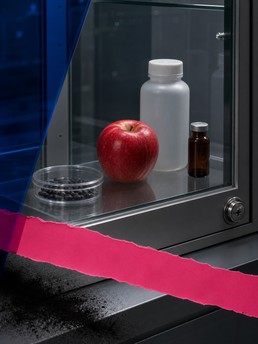
 Cutting Down on Coffee? Why Your Dreams May Feel Stronger
 The surprising foods that lead to better sleep
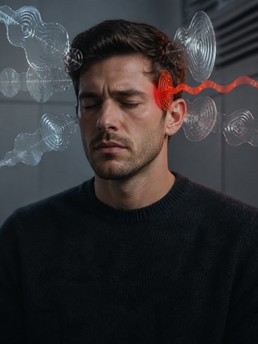 How noise sensitivity disrupts the mind, brain and body
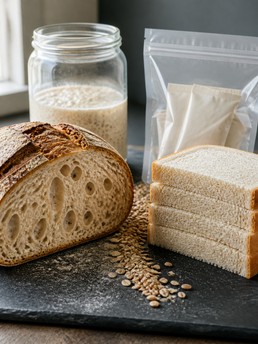 Sourdough vs White Bread: What Should We Be Eating?
 The Mysteries of the Earth and Space: Exploring the Unknown
 The Art and Science of Creating Good Luck
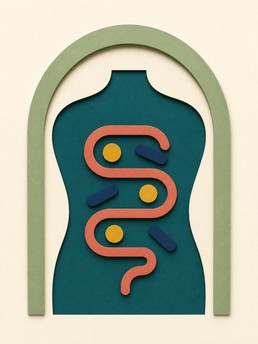 The Human Microbiome: Unveiling the Microscopic Ecosystem Within Us
 Artificial Intelligence and Ethics: Overcoming the Boundaries of AI Development
 Exploring Quantum Mechanics: Understanding the World of Subatomic Particles
 Genes and Heredity: How Science Deciphers Our Genetic Codes
 4 Latest Innovations in Tech
 How to Keep Your Brain Healthy