Though we see ourselves as singular entities, our bodies are in truth teeming with a vast array of microorganisms, each playing critical roles in our overall well-being. Dive into the intricate and wondrous realm of the human microbiome with us:
1. What is the Microbiome?
Every inch of us, from the surface of our skin to the depths of our guts, houses trillions of microorganisms. This collective community, known as the 'microbiome', consists of bacteria, viruses, fungi, and more. Far from being mere passengers, these tiny entities have co-evolved with us, becoming integral to many of our bodily functions.
2. Role in Digestion: It's Not Just About Food
While our digestive system can process a lot of food on its own, some nutrients remain elusive. Here's where our gut microorganisms come in. They specialize in breaking down complex fibers and converting them into essential nutrients. Without them, many vital nutrients would remain locked away in the food we consume.
3. Guardians of Health: Warding Off Illness
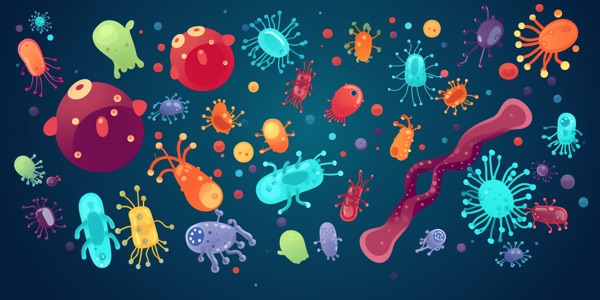
Beneficial bacteria in our microbiome are our first line of defense against many harmful pathogens. They not only compete for resources, limiting what's available to harmful bacteria, but also produce substances that actively inhibit the growth of these harmful invaders. When we take medications like antibiotics, we might inadvertently disrupt this delicate balance, leaving ourselves more susceptible to illnesses.
4. The Gut-Brain Axis: An Intriguing Connection
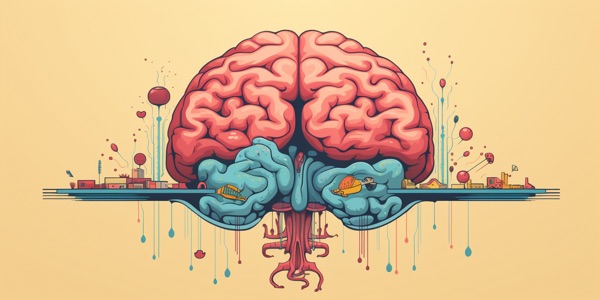
The phrase 'trust your gut' might have more science behind it than previously thought. Emerging research suggests that the state of our gut can influence our mood, emotions, and even cognitive abilities. Some microorganisms produce neurotransmitters, chemicals that our brains use for communication. Thus, imbalances in our gut flora could potentially translate into neurological effects.
5. Diet's Role in Shaping Our Microbial World
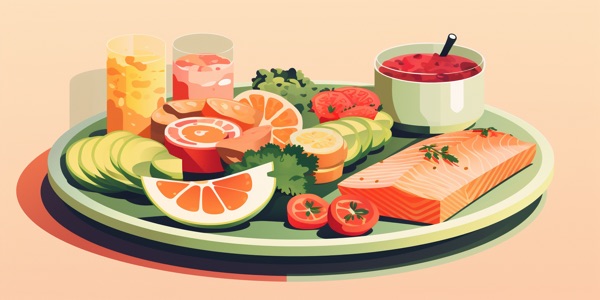
Everything we consume can affect the composition and health of our microbiome. Fermented foods, for instance, introduce beneficial bacteria, while fibrous foods provide sustenance for our resident microorganisms. Conversely, excessive sugar or processed foods can favor the proliferation of less beneficial bacteria, potentially leading to health issues.
6. Cultivating a Healthy Microbiome: A Holistic Approach
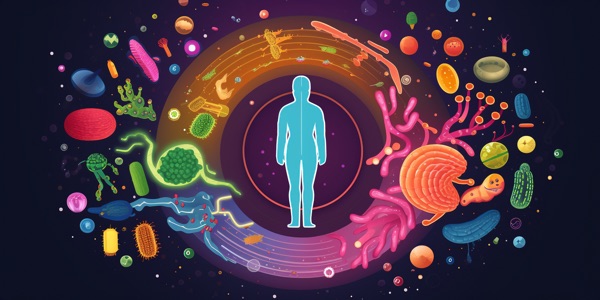
To maintain the health and balance of our microbiome, a multifaceted approach is essential. This includes consuming a varied and balanced diet, being wary of overusing antibiotics, ensuring adequate sleep, and managing stress. By treating our microscopic companions well, we foster an environment where they, in turn, can support our health in numerous ways.
 Lingard

 Cutting Down on Coffee? Why Your Dreams May Feel Stronger
 The surprising foods that lead to better sleep
 How noise sensitivity disrupts the mind, brain and body
 Sourdough vs White Bread: What Should We Be Eating?
 What Poison to Take to Survive?
 The Mysteries of the Earth and Space: Exploring the Unknown
 The Art and Science of Creating Good Luck
 Artificial Intelligence and Ethics: Overcoming the Boundaries of AI Development
 Exploring Quantum Mechanics: Understanding the World of Subatomic Particles
 Genes and Heredity: How Science Deciphers Our Genetic Codes
 4 Latest Innovations in Tech
 How to Keep Your Brain Healthy