
The rapid advancements in artificial intelligence (AI) have transformed various aspects of our lives, from communication and healthcare to transportation and entertainment. However, as AI continues to evolve, ethical concerns arise regarding its impact on society, privacy, and human decision-making. This article explores the intersection of artificial intelligence and ethics, highlighting the need to navigate these challenges to ensure responsible and beneficial AI development.
1. Defining Artificial Intelligence
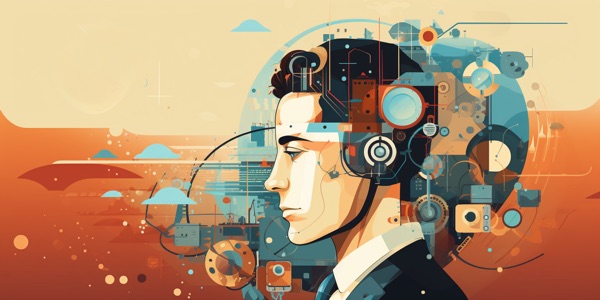
Artificial intelligence refers to the ability of machines to perform tasks that typically require human intelligence, such as problem-solving, learning, and decision-making. AI systems use data and algorithms to mimic human cognitive functions, leading to capabilities like natural language processing, image recognition, and autonomous decision-making.
2. Benefits of Artificial Intelligence

AI has shown immense potential to improve efficiency and enhance our daily lives. It can assist in medical diagnoses, optimize supply chains, and contribute to scientific research. Autonomous vehicles powered by AI promise safer transportation, while AI-powered chatbots offer efficient customer support.
3. Ethical Challenges

While AI brings significant benefits, it also raises ethical concerns that need careful consideration. One major concern is the potential bias in AI algorithms, which can perpetuate existing social inequalities if not properly addressed. Additionally, the rise of AI-driven automation could lead to job displacement and economic inequality.
4. Privacy and Data Protection

As AI systems rely on vast amounts of data to learn and make decisions, the issue of data privacy becomes crucial. Ensuring that personal data is protected and used responsibly is essential to prevent misuse and potential breaches of privacy.
5. Transparency and Accountability

AI algorithms are often complex and difficult to understand. This lack of transparency can lead to decisions that seem arbitrary or difficult to explain. Establishing clear accountability and transparency in AI decision-making is essential to building trust and understanding.
6. Ethical AI Development

To overcome the ethical challenges associated with AI, developers, policymakers, and researchers must collaborate to establish guidelines and regulations. Ethical AI development involves addressing bias, ensuring transparency, respecting privacy, and considering the broader societal impacts of AI technologies.
 Lingard

 Cutting Down on Coffee? Why Your Dreams May Feel Stronger
 The surprising foods that lead to better sleep
 How noise sensitivity disrupts the mind, brain and body
 Sourdough vs White Bread: What Should We Be Eating?
 What Poison to Take to Survive?
 The Mysteries of the Earth and Space: Exploring the Unknown
 The Art and Science of Creating Good Luck
 The Human Microbiome: Unveiling the Microscopic Ecosystem Within Us
 Exploring Quantum Mechanics: Understanding the World of Subatomic Particles
 Genes and Heredity: How Science Deciphers Our Genetic Codes
 4 Latest Innovations in Tech
 How to Keep Your Brain Healthy