






















Lingard
Tutti i libri in inglese
Letture da un minuto · nuovi post ogni giorno

Curiosità in inglese

Brevi post in inglese semplice su spazio, natura, storia e vita di tutti i giorni: un fatto sorprendente, un mito da verificare, un consiglio pratico o la storia di una parola.

Inizia a leggere gratis

In breve

Fatti, miti e trucchi in un minuto

Fatti sorprendenti

Viaggi · 27 novembre

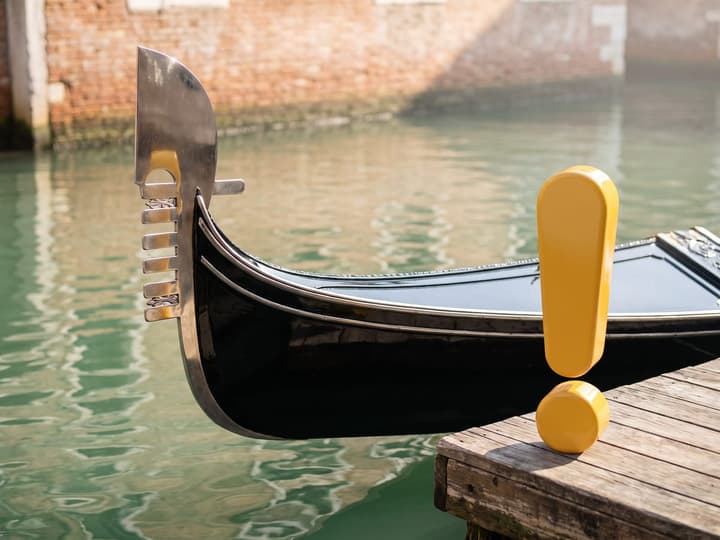
Why are Venice gondolas black?

Every traditional gondola in Venice is black. This comes from a strict law from the 16th century.

Natura · 26 novembre

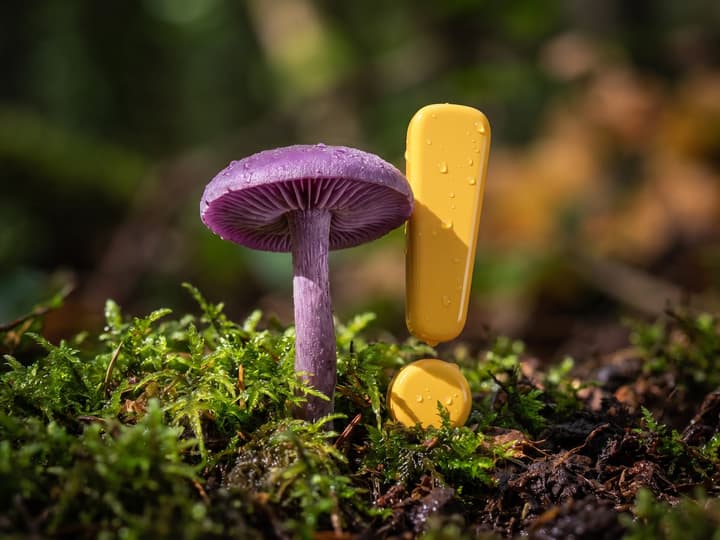
Are mushrooms more like humans than plants?

You might think mushrooms are plants. However, they are genetically closer to humans!

Invenzioni · 23 novembre

Who really found the first computer bug?

In 1947, a real moth got trapped inside a massive computer. However, the famous pioneer Grace Hopper probably did not find it.

Spazio · 23 novembre

Can a day be longer than a year?

On the planet Venus, a single day lasts longer than an entire year.

Arte · 21 novembre

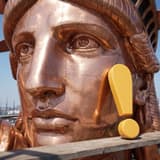
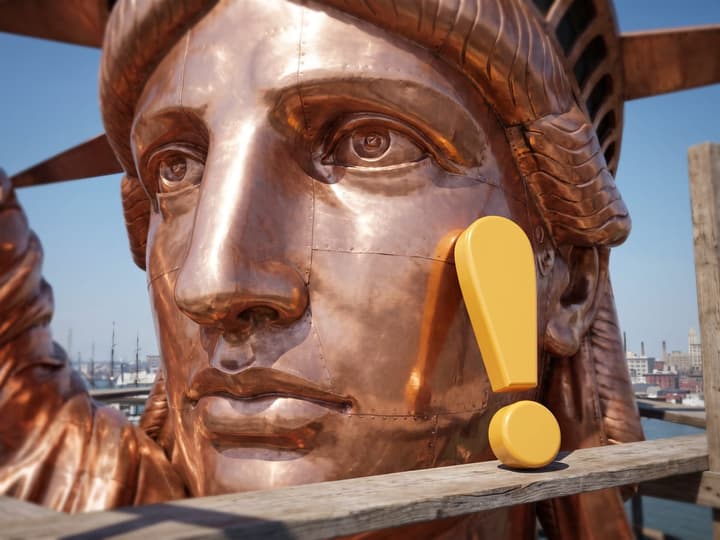
Why is the Statue of Liberty green?

The Statue of Liberty was not always green. In 1886, it was a shiny, penny-brown color.

Invenzioni · 19 novembre

How bubble wrap was invented

In 1957, inventors created bubble wrap to be textured plastic wallpaper. They wanted to sell it to the young Beat generation.

Natura · 19 novembre

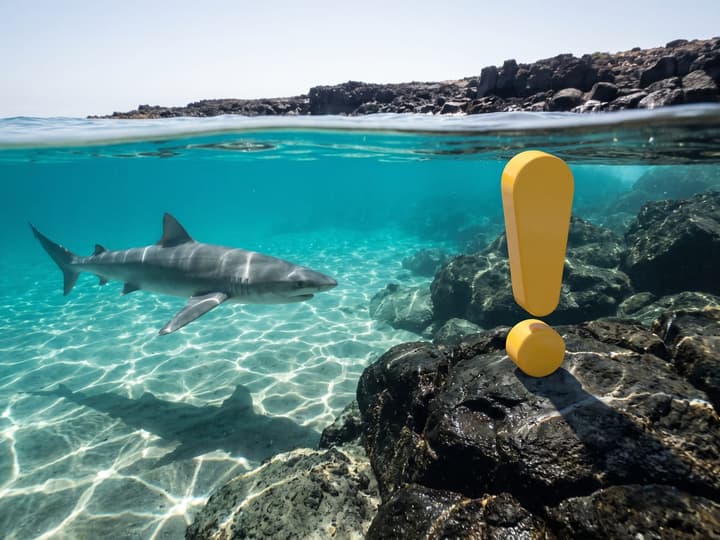
Have sharks lived longer than trees?

Sharks swam in the oceans before the first trees grew on land.

Parole · 17 novembre

Why are political candidates called shining white?

The word candidate literally means shining white. This came from an ancient Roman trick to look honest.

Cibo · 17 novembre

Can honey really last forever?

Honey is one of the only foods that can never spoil. Scientists found honey from ancient Egyptian tombs that is still good to eat.

Invenzioni · 17 novembre

Why is your keyboard arranged this way?

Many people think creators made the QWERTY keyboard to slow down your typing. However, researchers now say this popular story is just a myth.

Storia · 17 novembre

Why did emperors eat with aluminum spoons?

In the mid-1800s, aluminum was more valuable than gold. It was extremely rare and difficult to produce.

Psicologia · 17 novembre

Is the doorway effect actually real?

Do you sometimes enter a room and forget why? The famous "doorway effect" might not be real.

Mito o verità?

Arte · 25 novembre

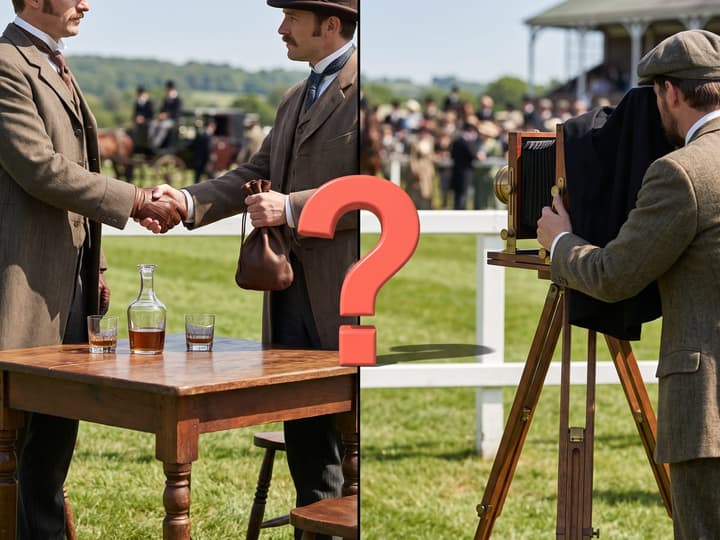
Did a bet create the first motion picture?

The first photos of a galloping horse were made to settle a $25,000 bet.

Natura · 25 novembre

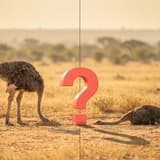
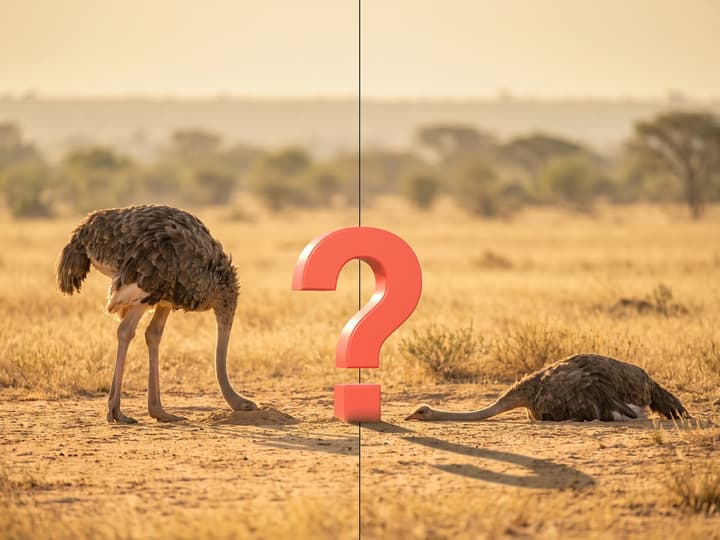
Do ostriches really bury their heads?

Ostriches bury their heads in the sand when they are afraid.

Natura · 24 novembre

Can dogs see colors?

Dogs can only see the world in black, white, and shades of gray.

Natura · 21 novembre

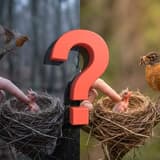
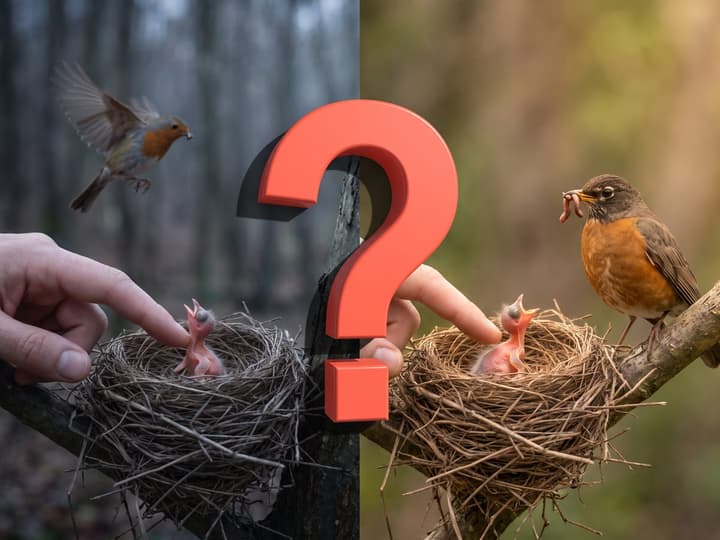
Will a mother bird abandon touched babies?

Touching a baby bird leaves a human scent on it. This scent drives the mother to abandon her young.

Natura · 20 novembre

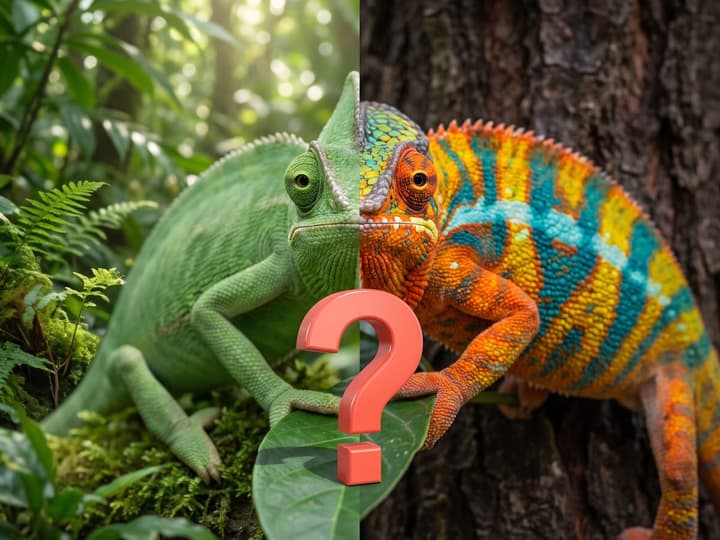
Why do chameleons change color?

Chameleons change their skin color to blend in with their background. This helps them hide from dangerous enemies.

Natura · 18 novembre

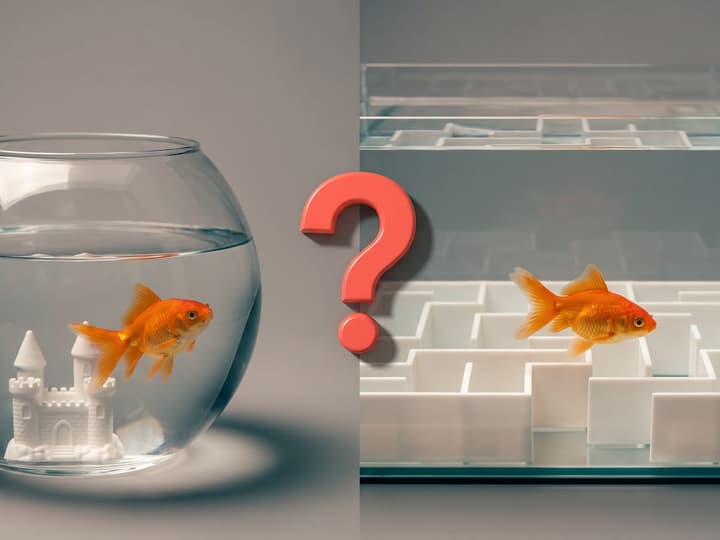
Do goldfish really forget everything?

Goldfish have a memory span of only three seconds.

Invenzioni · 18 novembre

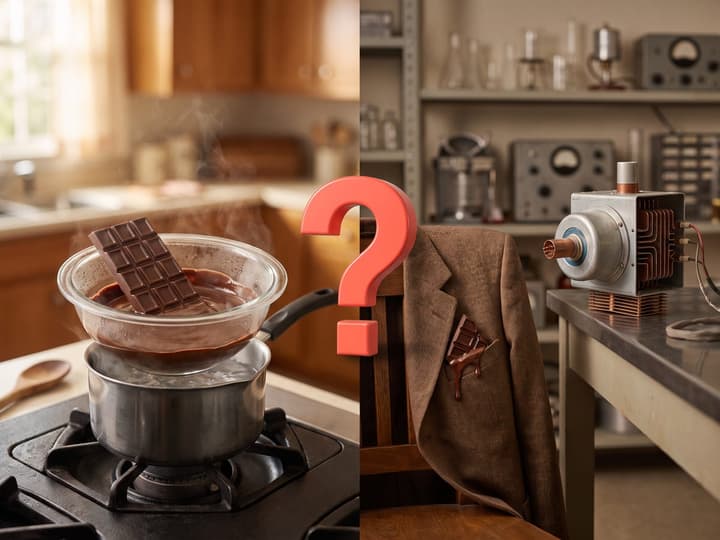
The accidental invention of the microwave

The microwave oven was invented because a chocolate bar melted in a scientist's pocket.

Natura · 17 novembre

How much does a cloud weigh?

Many people believe clouds have almost no weight. They think clouds float like helium balloons.

Spazio · 17 novembre

Why do astronauts float in space?

Astronauts float because there is no gravity in space.

Invenzioni · 16 novembre

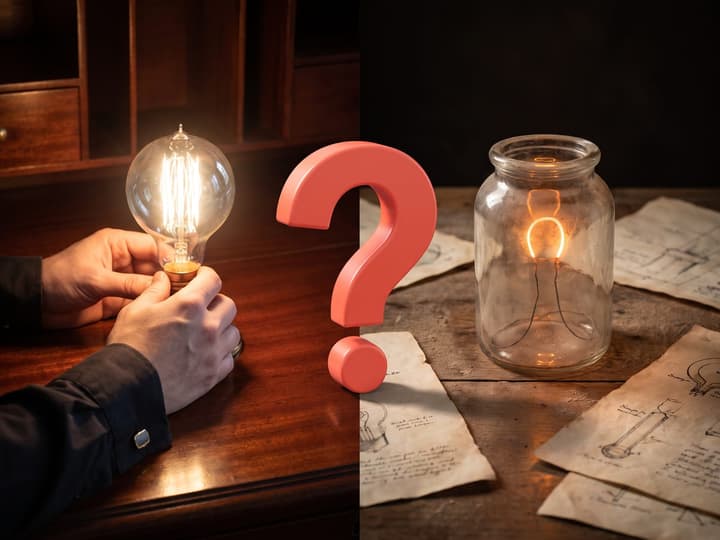
Did Thomas Edison invent the light bulb?

Thomas Edison invented the first light bulb.

Viaggi · 16 novembre

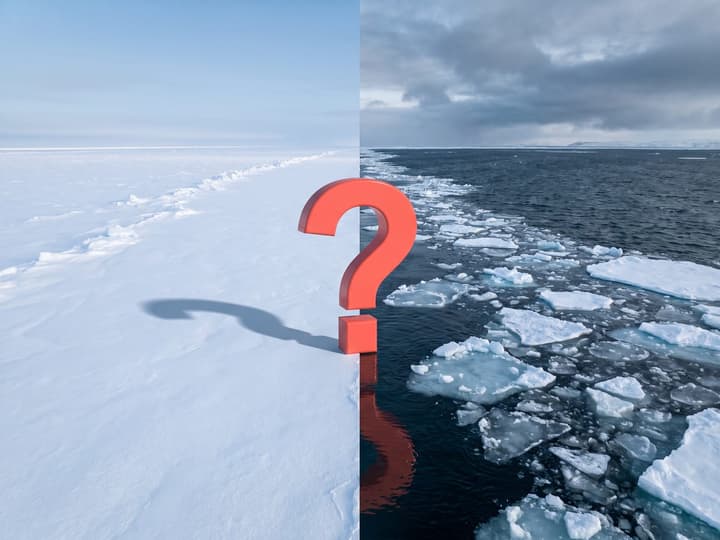
Can you walk from the US to Russia?

Some people believe you can walk from the US to Russia in winter. They say this is possible when the ocean freezes.

Arte · 16 novembre

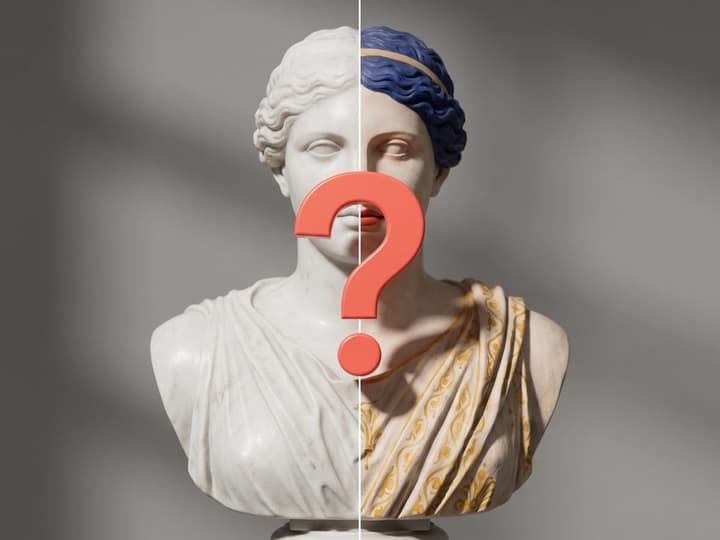
Were ancient marble statues always white?

Ancient Greek and Roman marble statues were originally white.

Consigli pratici

Viaggi · 27 novembre

How to navigate foreign cities offline

Using mobile data in foreign countries can be incredibly expensive. You can navigate any foreign city completely offline without mobile data.

Viaggi · 26 novembre

How to pack your backpack safely

Carrying a heavy backpack can strain your back, shoulders, and neck. You will learn to pack it correctly using science.

Casa · 25 novembre

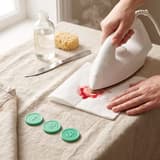
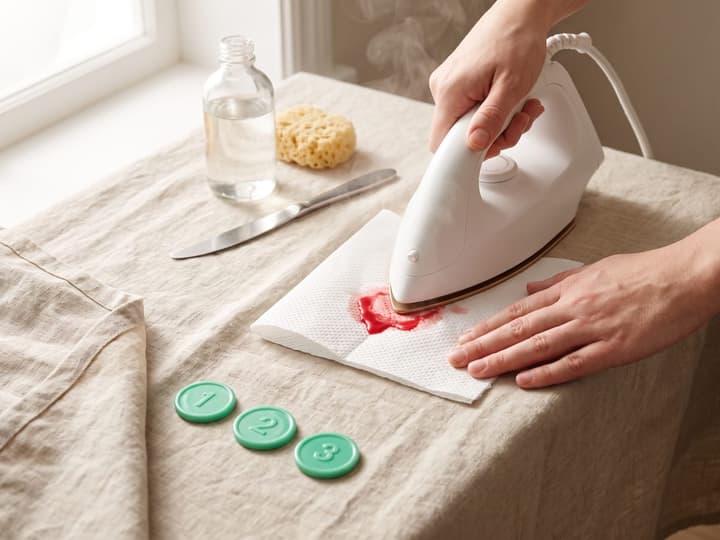
How to remove candle wax from fabric

Spilled candle wax can ruin your fabric or carpet. You can remove it safely with a warm iron and paper towels.

Casa · 24 novembre

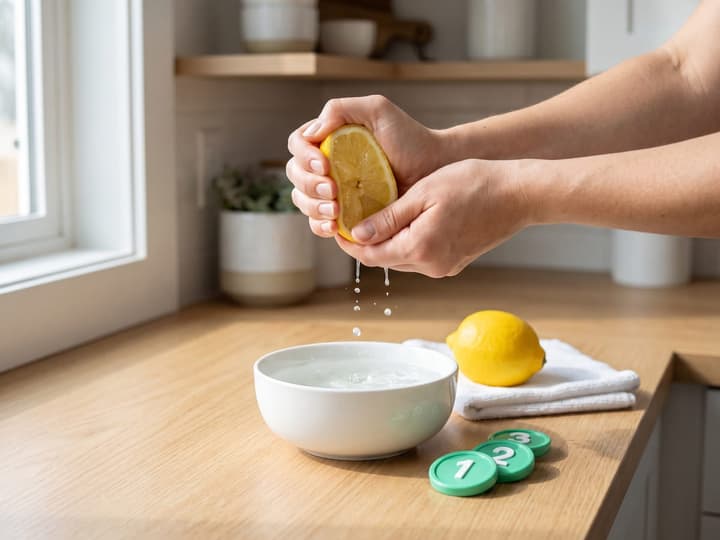
How to clean your microwave with a lemon

Your microwave gets covered in stubborn grease and food splatters. You can easily clean it without scrubbing.

Soldi · 23 novembre

How to find cheaper supermarket products

Supermarkets place expensive brands at your eye level. Today, you will learn how to find the best-value products easily.

Cibo · 21 novembre

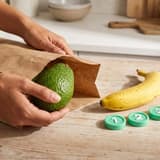
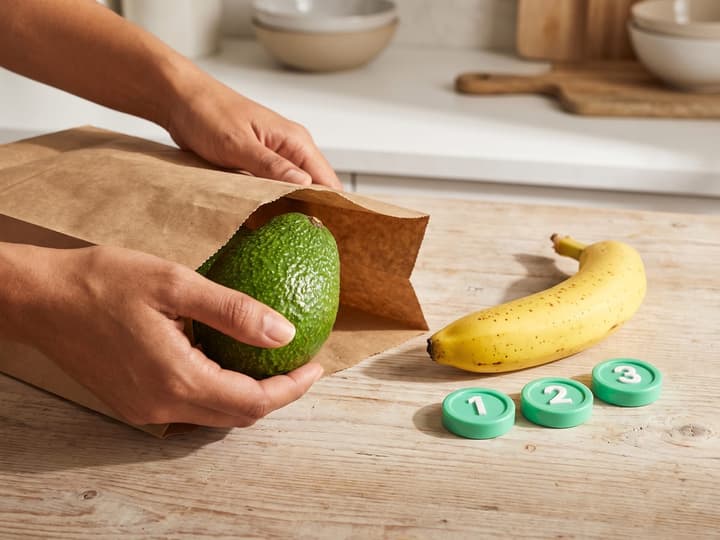
How to ripen an avocado quickly

Unripe avocados take days to become soft. This is frustrating when you want guacamole. You can ripen them much faster.

Psicologia · 17 novembre

How to calm your brain quickly

When you get stressed, your heart and breathing speed up. You can quickly calm your brain with a simple breathing trick.

Psicologia · 16 novembre

How to remember everyone's name

It is very embarrassing to forget someone's name right after meeting them. You can learn a simple three-step trick to remember everyone.

Casa · 16 novembre

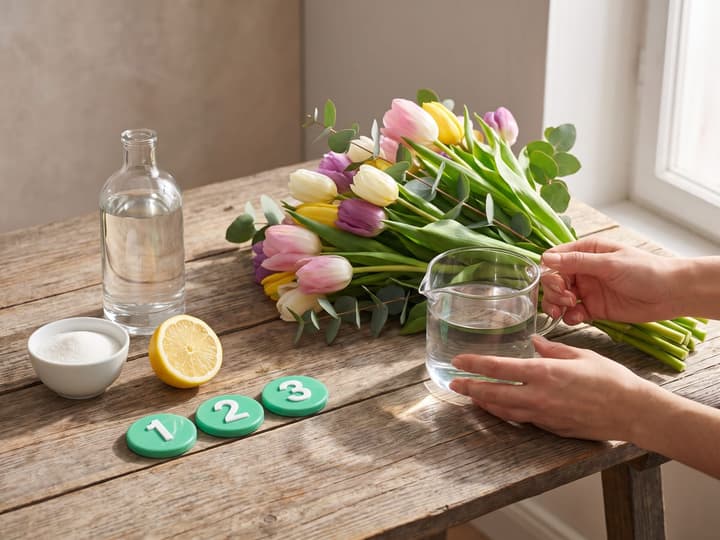
How to keep your cut flowers fresh

Cut flowers lose their nutrients quickly and can wilt fast. You can make your beautiful bouquet last much longer. This simple guide will show you how to do it.

Le storie dietro le parole

Parole · 27 novembre

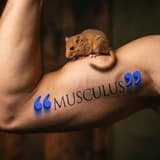
Why do muscles mean little mice?

Why do we use the word "muscle" today? Its original Latin meaning is actually "little mouse".

Spazio · 26 novembre

Why a galaxy is actually about milk

Did you know that the word "galaxy" is actually about milk? This beautiful space term has a very surprising dairy history.

Parole · 24 novembre

Why does listening in secret involve rain?

Why does the word "eavesdrop" relate to a roof dripping in rain?

Cibo · 22 novembre

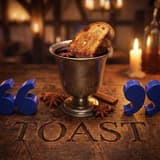
Why do we say toast to celebrate?

We say "toast" when we raise a glass to celebrate someone. But why do we name a happy drink after warm bread?

Parole · 20 novembre

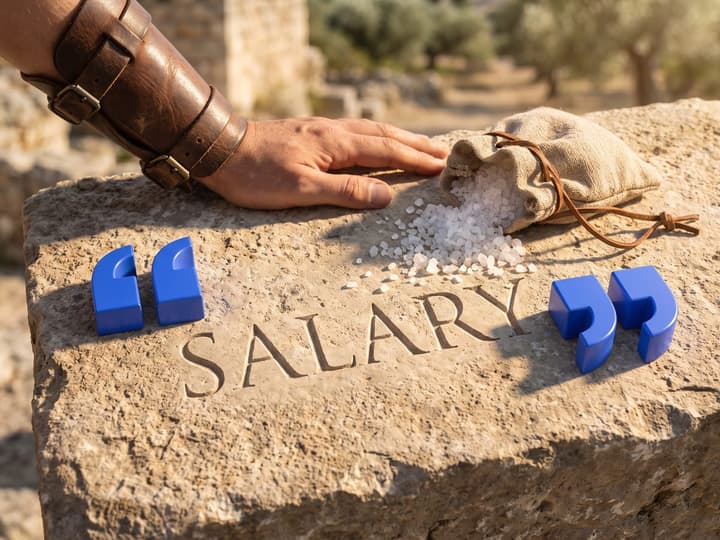
Does your salary really come from salt?

Do you know the word "salary"? People say Roman soldiers received salt as pay. However, this popular story is actually a myth.

Parole · 20 novembre

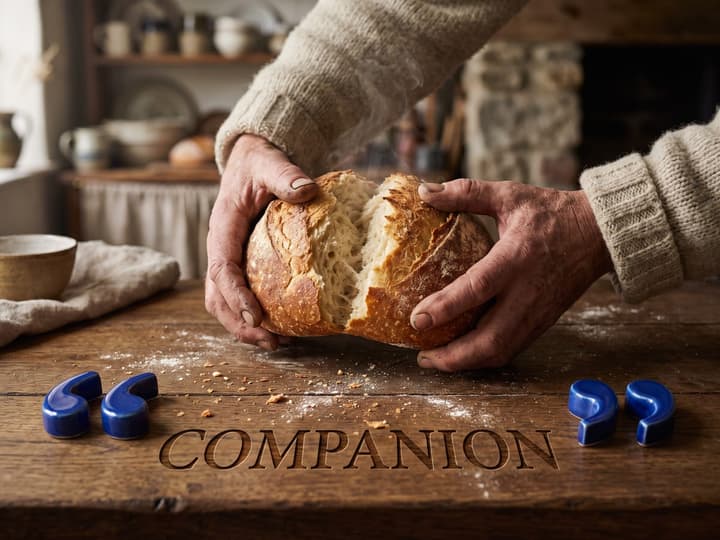
The delicious origin of the word companion

Do you have a "companion" in your life? This common word has a very delicious history.

Parole · 19 novembre

Why do we say boycott?

The word "boycott" comes from a very unpopular British man. His name was Charles Boycott.

Parole · 18 novembre

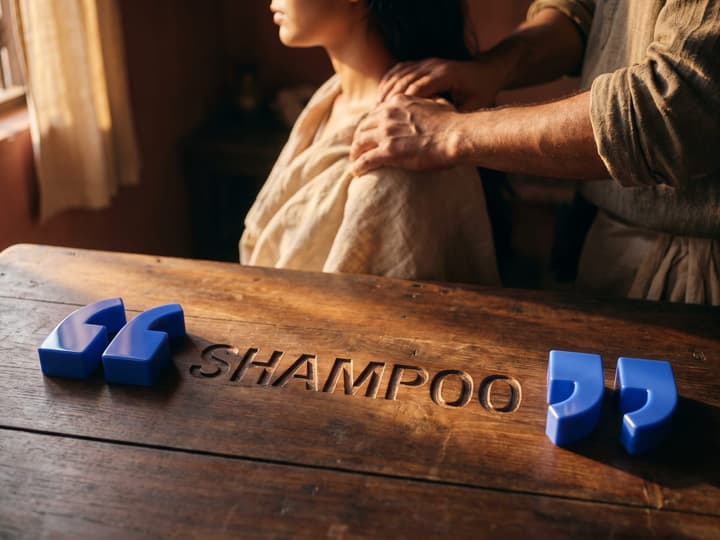
Where does the word shampoo come from?

The word "shampoo" originally had nothing to do with soap. It did not mean washing your hair.

Soldi · 17 novembre

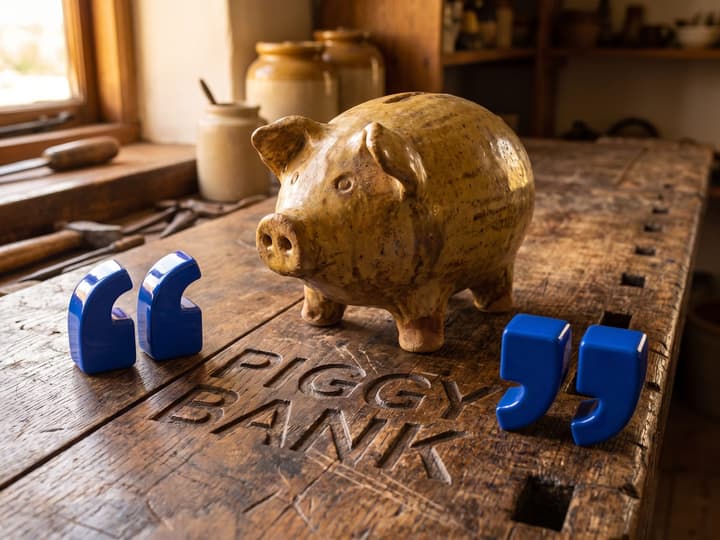
The real story behind the piggy bank

The popular story of the "piggy bank" is actually a myth. Many believe a linguistic mix-up created these famous pig-shaped coin containers.

Parole · 17 novembre

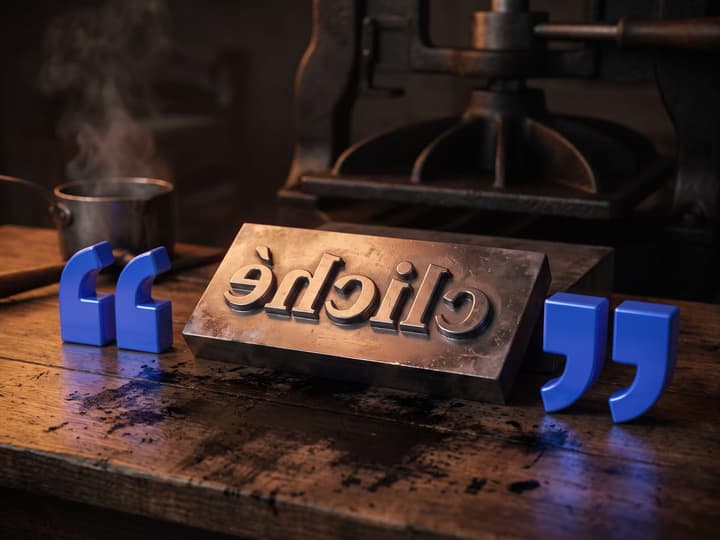
The noisy printing history of cliché

Did you know that "cliché" was originally just a sound? It came from a noisy printing machine.

Parole · 16 novembre

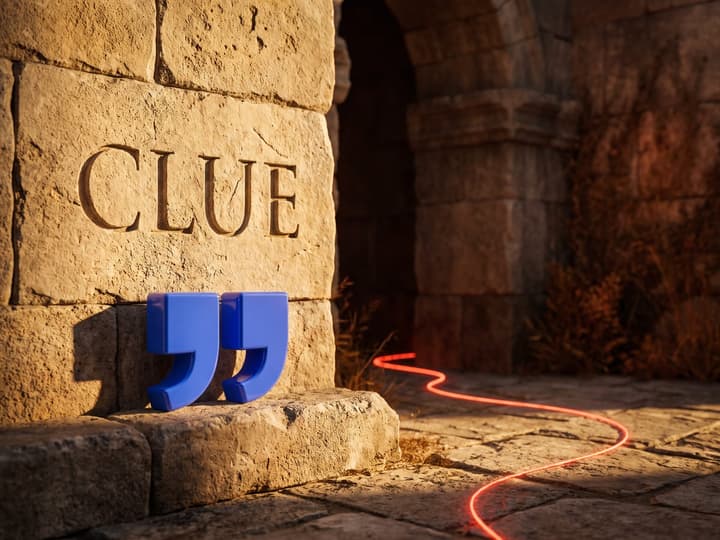
Why do we search for a "clue"?

Do you search for a "clue"? This word comes from an ancient Greek myth about a monster.

Storia · 16 novembre

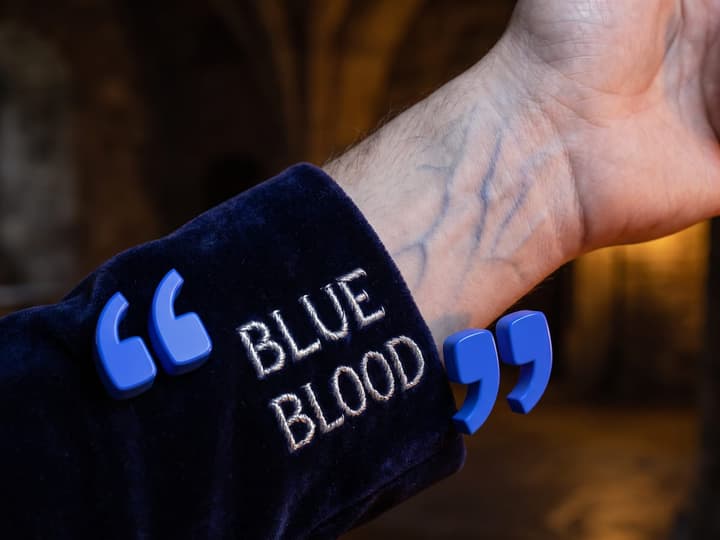
Why do we say blue blood?

Why do we call aristocrats "blue blood"? It started with Spanish nobles who wanted to prove their ancestry.

Qualcosa di nuovo da leggere ogni giorno

I post di «In breve» sono piccole storie in un inglese chiaro e quotidiano. Ognuno occupa da quattro a sei schermate brevi sotto un disegno: un fatto sorprendente, una credenza diffusa da verificare, un consiglio pratico o la storia dietro una parola. Ne finisci uno in circa un minuto, quindi c’è sempre tempo per un altro.

Ogni post cita le fonti su cui si basa. Questa settimana tra queste ci sono Merriam-Webster, Smithsonian Magazine, Online Etymology Dictionary, Encyclopaedia Britannica, Britannica, The Guardian, Live Science, BBC, NASA, University of Iowa Hospitals & Clinics.

Ogni giorno escono nuovi post su dodici argomenti, dallo spazio e dalla natura al cibo, ai soldi e alla mente. Sono scritti per chi studia la lingua, con frasi brevi e parole di tutti i giorni, così leggi per il gusto di farlo e intanto impari parole nuove in inglese.

Come leggere «In breve» con Lingard

I post di «In breve» ti aspettano in una fila di cerchi nella tua biblioteca, i più recenti per primi. Aprine uno e leggilo in circa un minuto, un disegno e poche frasi brevi alla volta. Tocca una parola che non conosci e Lingard te ne dà il significato nella tua lingua; se tocchi una frase te la traduce tutta, e ogni frase si può ascoltare ad alta voce.

Salva le parole che vuoi ricordare e torneranno come schede proprio prima che tu le dimentichi. Metti mi piace a un post o saltalo, e i successivi seguiranno i tuoi gusti; nascondi un argomento che non ti interessa e smetterà di comparire. Gli argomenti dei libri che leggi partono avvantaggiati.

Domande su «In breve»

Perché leggere curiosità in inglese?
Una domanda di cui vuoi sapere la risposta ti fa leggere fino in fondo, e un minuto si trova sempre. Un post al giorno crea l’abitudine, e le stesse parole di tutti i giorni tornano in post che parlano di cose molto diverse.
I fatti sono veri?
Ogni post è scritto a partire da pagine di siti affidabili, come musei, università, dizionari, agenzie spaziali e riviste di scienza, e li cita alla fine. Un mito viene prima raccontato così come la gente ci crede, e la risposta arriva subito dopo.
Posso leggere «In breve» gratis?
Sì. Un post al giorno è gratuito, nell’app Lingard e su lingard.app, con tutti gli strumenti per parole e frasi. Con Pro hai tutti i post.

Leggi il post completo

Apri un post qualsiasi in Lingard per toccarne le parole e scoprire cosa significano, tradurre una frase e ascoltarla letta ad alta voce.

Inizia a leggere gratis

Altre lingue: Curiosità in spagnoloCuriosità in tedescoCuriosità in francese