






















Lingard
Wszystkie książki po angielsku
Minuta czytania · nowe posty codziennie

Ciekawostki po angielsku

Krótkie posty prostym angielskim o kosmosie, przyrodzie, historii i codziennym życiu: zaskakujący fakt, mit do sprawdzenia, praktyczna porada albo historia słowa.

Zacznij czytać za darmo

W skrócie

Fakty, mity i triki w minutę

Zaskakujące fakty

Podróże · 27 listopada

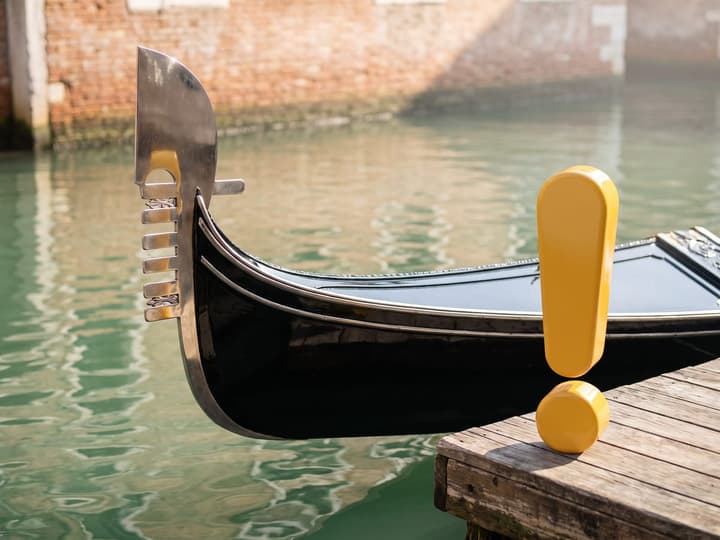
Why are Venice gondolas black?

Every traditional gondola in Venice is black. This comes from a strict law from the 16th century.

Przyroda · 26 listopada

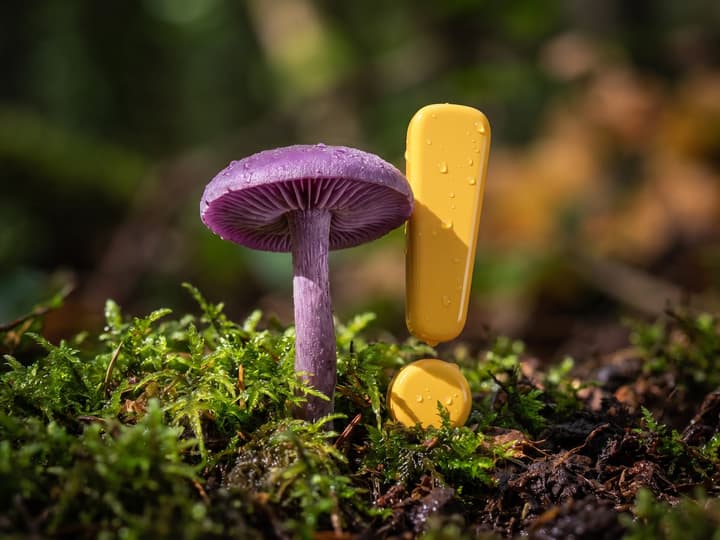
Are mushrooms more like humans than plants?

You might think mushrooms are plants. However, they are genetically closer to humans!

Wynalazki · 23 listopada

Who really found the first computer bug?

In 1947, a real moth got trapped inside a massive computer. However, the famous pioneer Grace Hopper probably did not find it.

Kosmos · 23 listopada

Can a day be longer than a year?

On the planet Venus, a single day lasts longer than an entire year.

Sztuka · 21 listopada

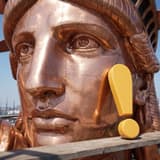
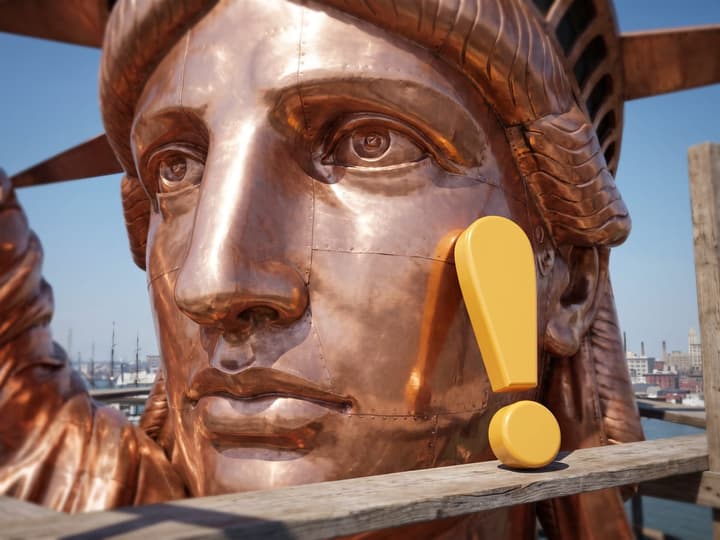
Why is the Statue of Liberty green?

The Statue of Liberty was not always green. In 1886, it was a shiny, penny-brown color.

Wynalazki · 19 listopada

How bubble wrap was invented

In 1957, inventors created bubble wrap to be textured plastic wallpaper. They wanted to sell it to the young Beat generation.

Przyroda · 19 listopada

Have sharks lived longer than trees?

Sharks swam in the oceans before the first trees grew on land.

Słowa · 17 listopada

Why are political candidates called shining white?

The word candidate literally means shining white. This came from an ancient Roman trick to look honest.

Jedzenie · 17 listopada

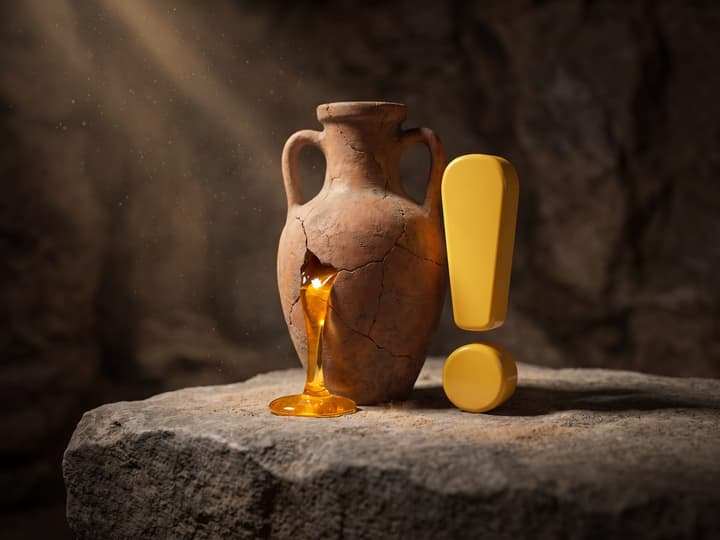
Can honey really last forever?

Honey is one of the only foods that can never spoil. Scientists found honey from ancient Egyptian tombs that is still good to eat.

Wynalazki · 17 listopada

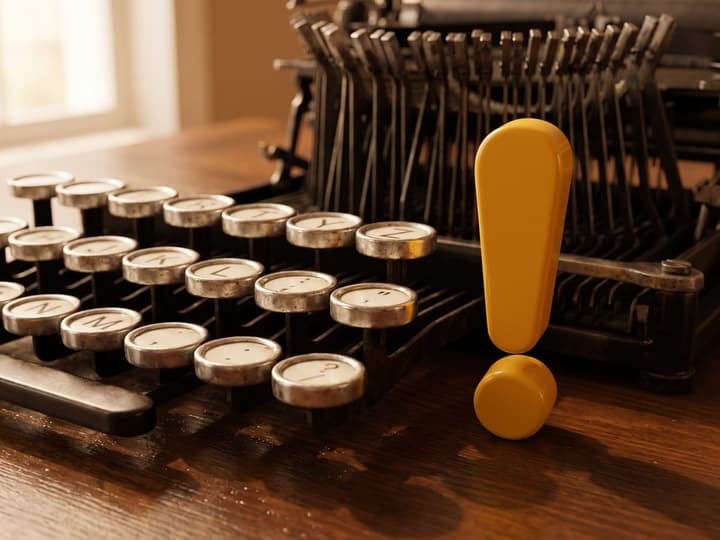
Why is your keyboard arranged this way?

Many people think creators made the QWERTY keyboard to slow down your typing. However, researchers now say this popular story is just a myth.

Historia · 17 listopada

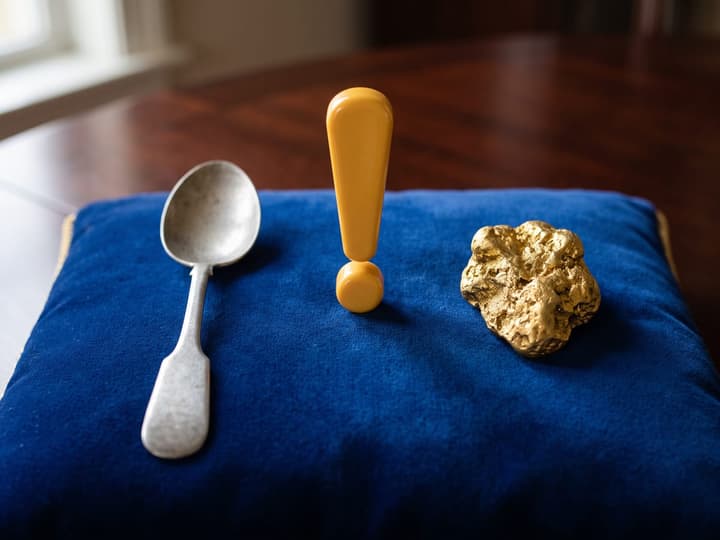
Why did emperors eat with aluminum spoons?

In the mid-1800s, aluminum was more valuable than gold. It was extremely rare and difficult to produce.

Psychologia · 17 listopada

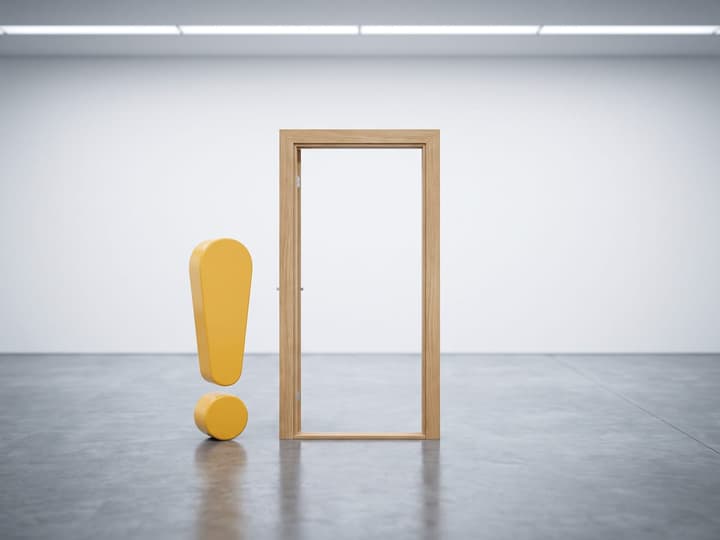
Is the doorway effect actually real?

Do you sometimes enter a room and forget why? The famous "doorway effect" might not be real.

Mit czy prawda?

Sztuka · 25 listopada

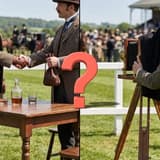
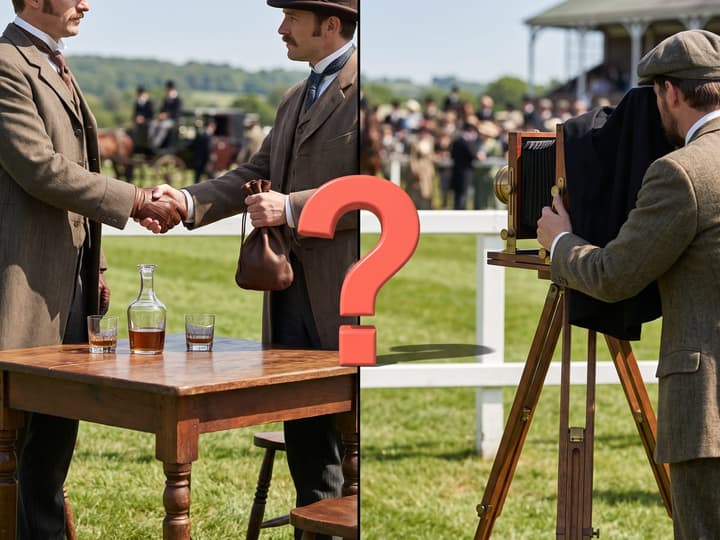
Did a bet create the first motion picture?

The first photos of a galloping horse were made to settle a $25,000 bet.

Przyroda · 25 listopada

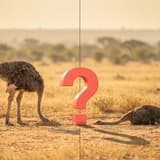
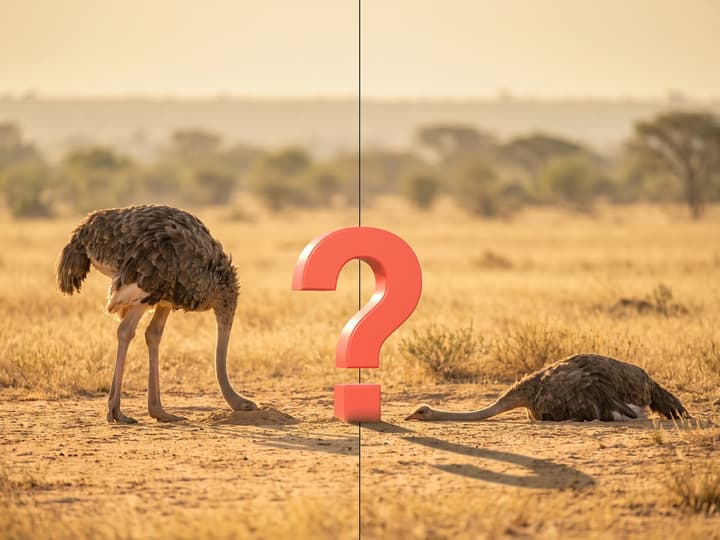
Do ostriches really bury their heads?

Ostriches bury their heads in the sand when they are afraid.

Przyroda · 24 listopada

Can dogs see colors?

Dogs can only see the world in black, white, and shades of gray.

Przyroda · 21 listopada

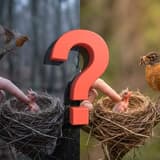
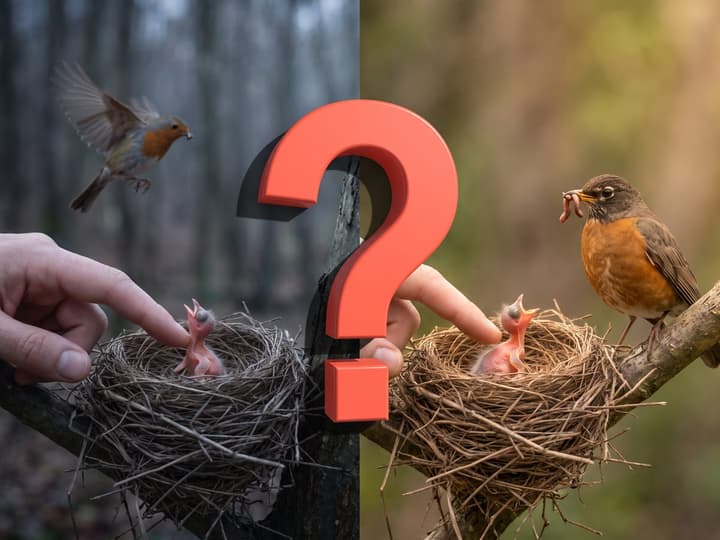
Will a mother bird abandon touched babies?

Touching a baby bird leaves a human scent on it. This scent drives the mother to abandon her young.

Przyroda · 20 listopada

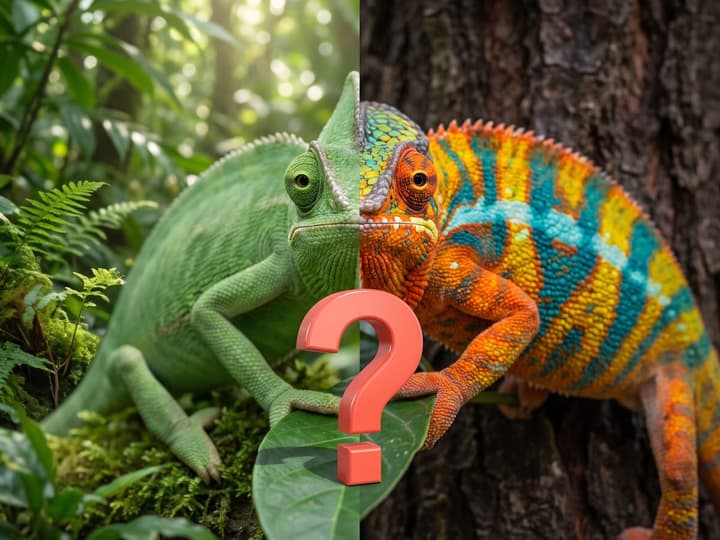
Why do chameleons change color?

Chameleons change their skin color to blend in with their background. This helps them hide from dangerous enemies.

Przyroda · 18 listopada

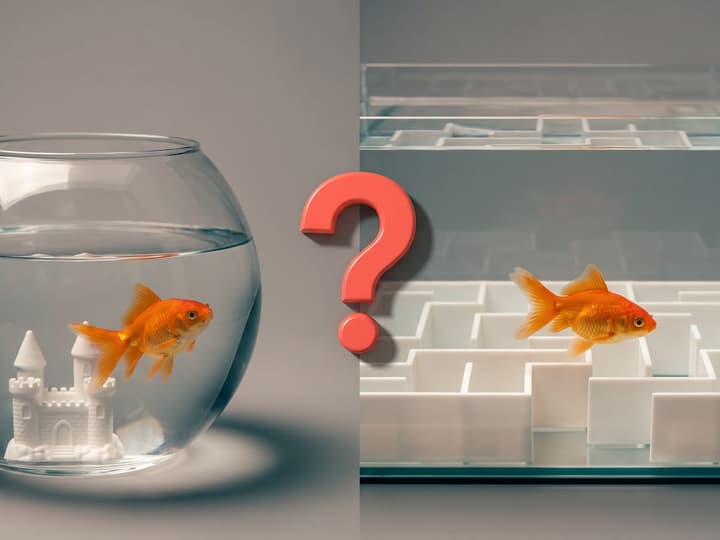
Do goldfish really forget everything?

Goldfish have a memory span of only three seconds.

Wynalazki · 18 listopada

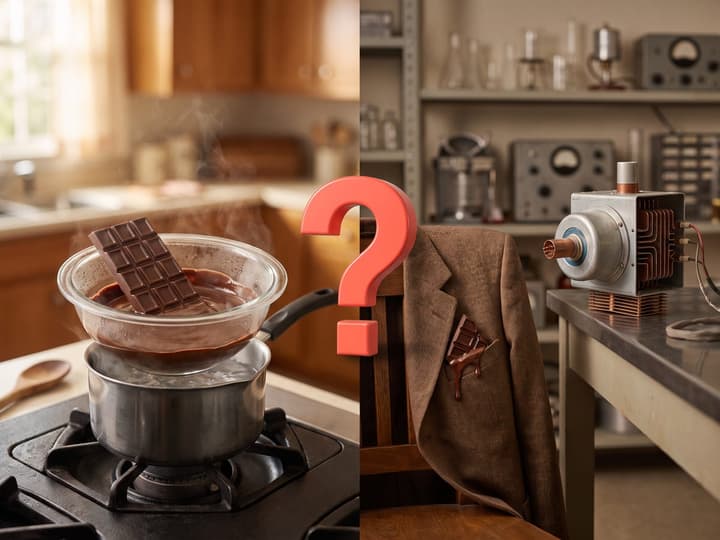
The accidental invention of the microwave

The microwave oven was invented because a chocolate bar melted in a scientist's pocket.

Przyroda · 17 listopada

How much does a cloud weigh?

Many people believe clouds have almost no weight. They think clouds float like helium balloons.

Kosmos · 17 listopada

Why do astronauts float in space?

Astronauts float because there is no gravity in space.

Wynalazki · 16 listopada

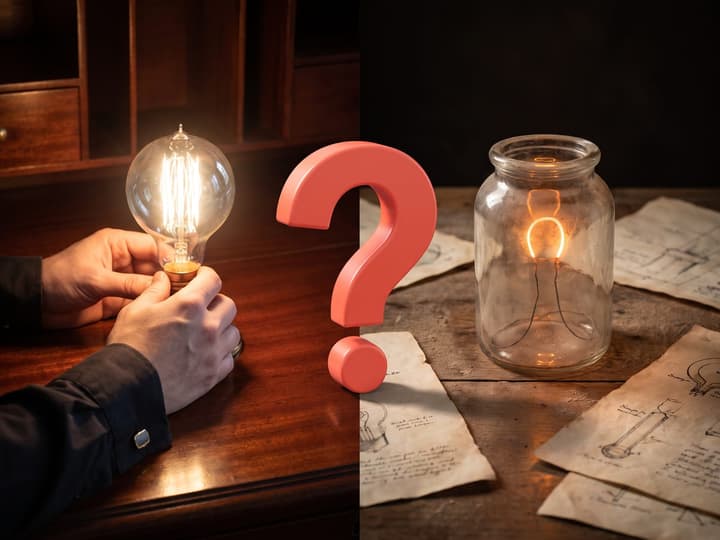
Did Thomas Edison invent the light bulb?

Thomas Edison invented the first light bulb.

Podróże · 16 listopada

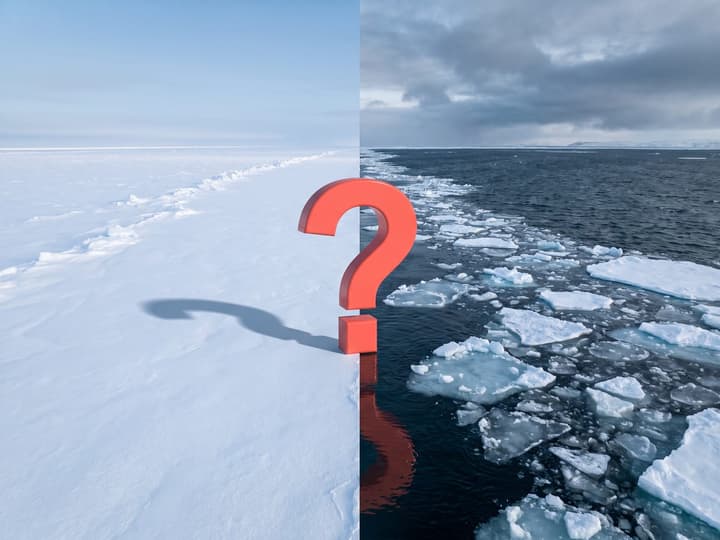
Can you walk from the US to Russia?

Some people believe you can walk from the US to Russia in winter. They say this is possible when the ocean freezes.

Sztuka · 16 listopada

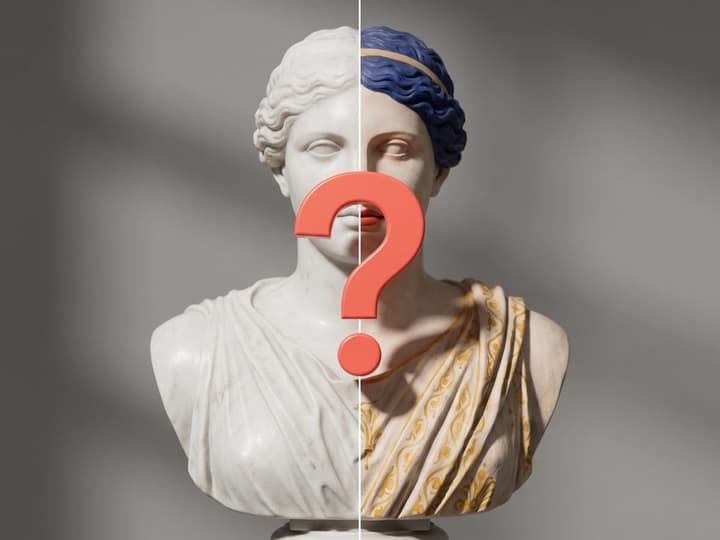
Were ancient marble statues always white?

Ancient Greek and Roman marble statues were originally white.

Praktyczne porady

Podróże · 27 listopada

How to navigate foreign cities offline

Using mobile data in foreign countries can be incredibly expensive. You can navigate any foreign city completely offline without mobile data.

Podróże · 26 listopada

How to pack your backpack safely

Carrying a heavy backpack can strain your back, shoulders, and neck. You will learn to pack it correctly using science.

Dom · 25 listopada

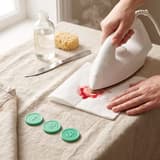
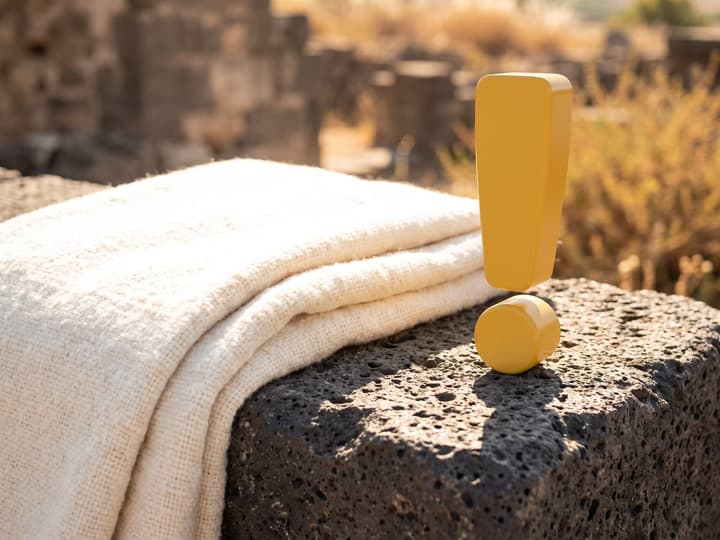
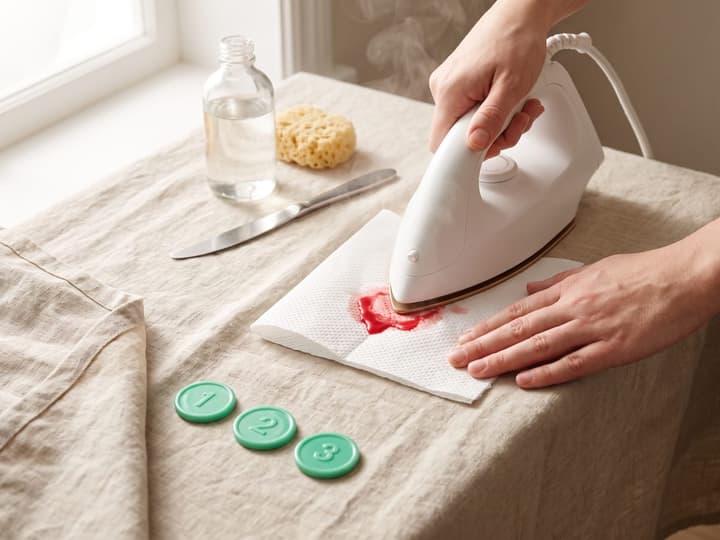
How to remove candle wax from fabric

Spilled candle wax can ruin your fabric or carpet. You can remove it safely with a warm iron and paper towels.

Dom · 24 listopada

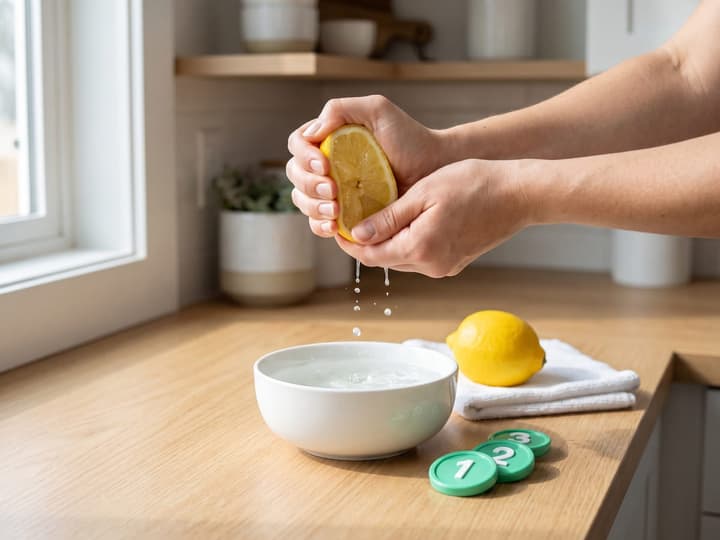
How to clean your microwave with a lemon

Your microwave gets covered in stubborn grease and food splatters. You can easily clean it without scrubbing.

Pieniądze · 23 listopada

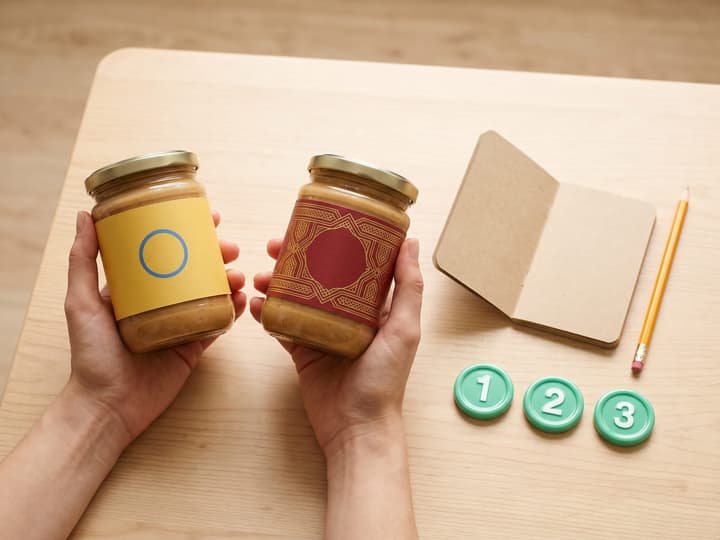
How to find cheaper supermarket products

Supermarkets place expensive brands at your eye level. Today, you will learn how to find the best-value products easily.

Jedzenie · 21 listopada

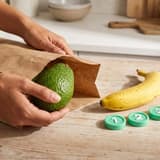
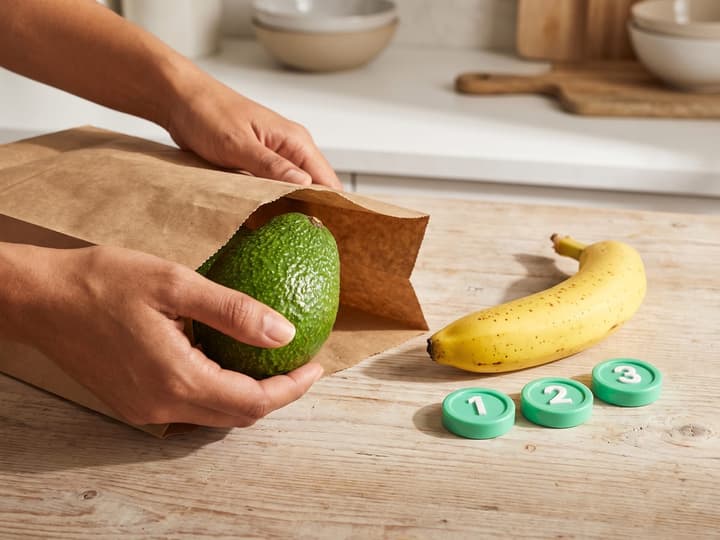
How to ripen an avocado quickly

Unripe avocados take days to become soft. This is frustrating when you want guacamole. You can ripen them much faster.

Psychologia · 17 listopada

How to calm your brain quickly

When you get stressed, your heart and breathing speed up. You can quickly calm your brain with a simple breathing trick.

Psychologia · 16 listopada

How to remember everyone's name

It is very embarrassing to forget someone's name right after meeting them. You can learn a simple three-step trick to remember everyone.

Dom · 16 listopada

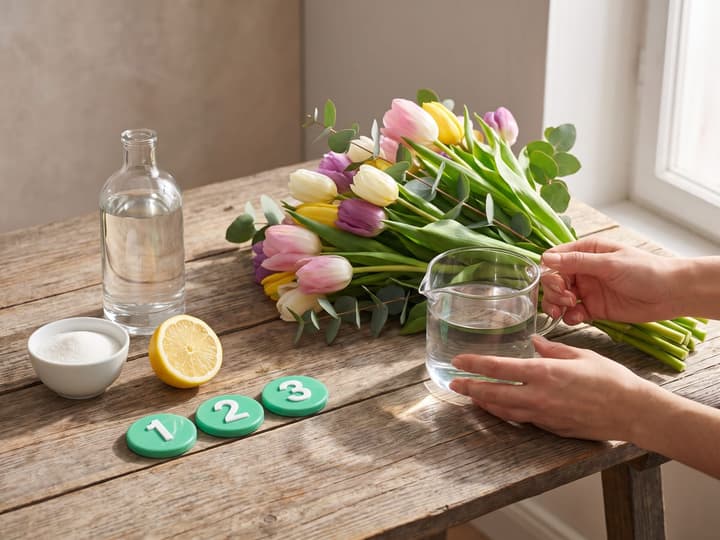
How to keep your cut flowers fresh

Cut flowers lose their nutrients quickly and can wilt fast. You can make your beautiful bouquet last much longer. This simple guide will show you how to do it.

Historie słów

Słowa · 27 listopada

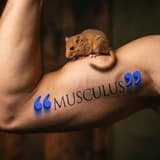
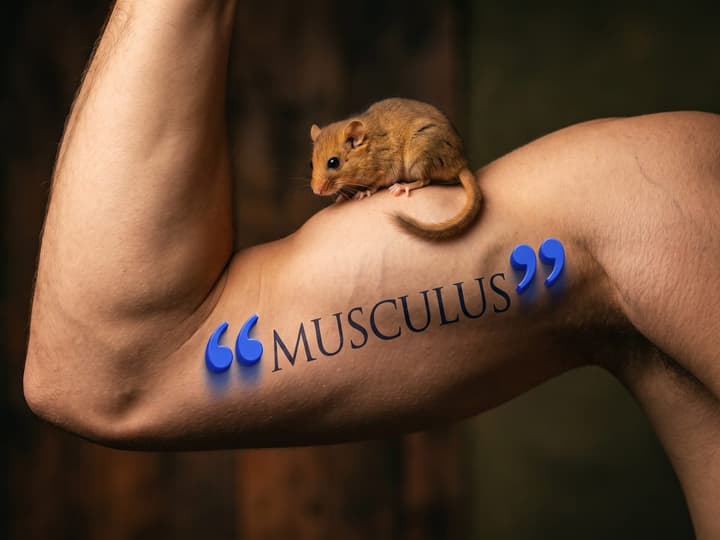
Why do muscles mean little mice?

Why do we use the word "muscle" today? Its original Latin meaning is actually "little mouse".

Kosmos · 26 listopada

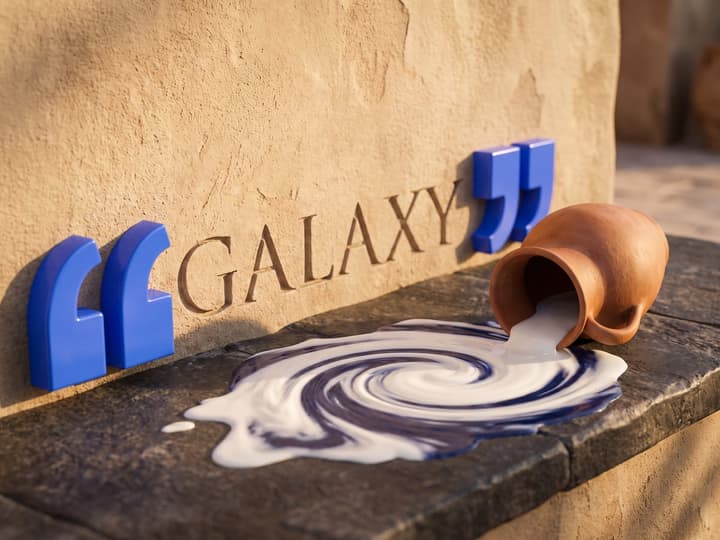
Why a galaxy is actually about milk

Did you know that the word "galaxy" is actually about milk? This beautiful space term has a very surprising dairy history.

Słowa · 24 listopada

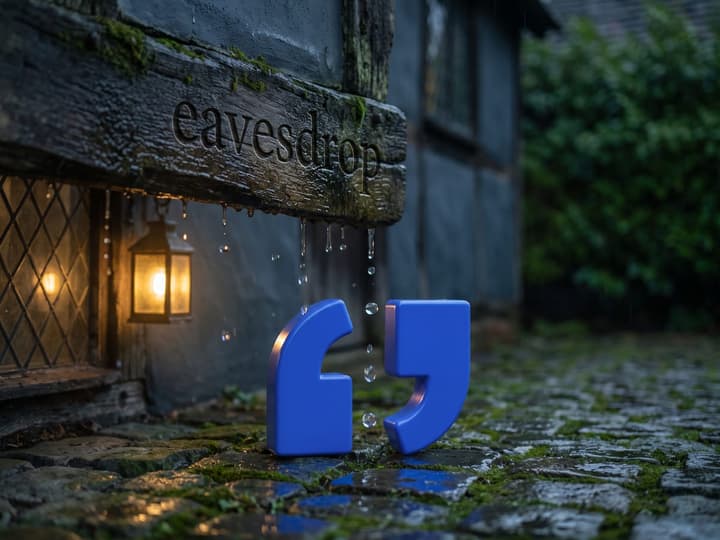
Why does listening in secret involve rain?

Why does the word "eavesdrop" relate to a roof dripping in rain?

Jedzenie · 22 listopada

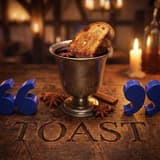
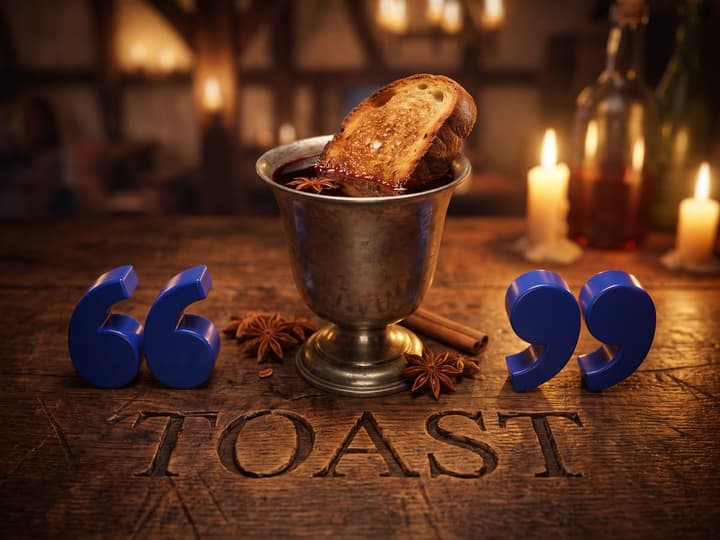
Why do we say toast to celebrate?

We say "toast" when we raise a glass to celebrate someone. But why do we name a happy drink after warm bread?

Słowa · 20 listopada

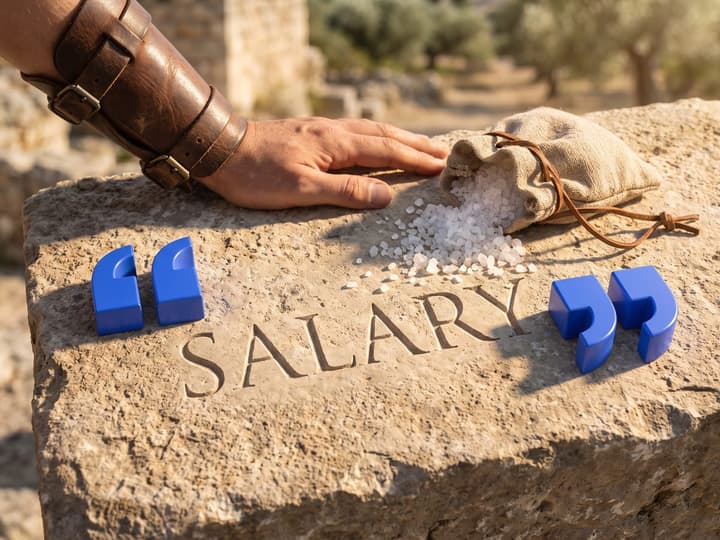
Does your salary really come from salt?

Do you know the word "salary"? People say Roman soldiers received salt as pay. However, this popular story is actually a myth.

Słowa · 20 listopada

The delicious origin of the word companion

Do you have a "companion" in your life? This common word has a very delicious history.

Słowa · 19 listopada

Why do we say boycott?

The word "boycott" comes from a very unpopular British man. His name was Charles Boycott.

Słowa · 18 listopada

Where does the word shampoo come from?

The word "shampoo" originally had nothing to do with soap. It did not mean washing your hair.

Pieniądze · 17 listopada

The real story behind the piggy bank

The popular story of the "piggy bank" is actually a myth. Many believe a linguistic mix-up created these famous pig-shaped coin containers.

Słowa · 17 listopada

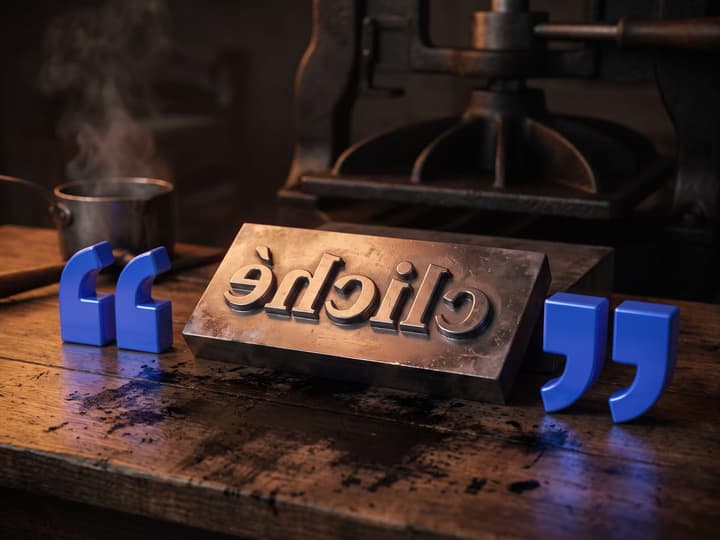
The noisy printing history of cliché

Did you know that "cliché" was originally just a sound? It came from a noisy printing machine.

Słowa · 16 listopada

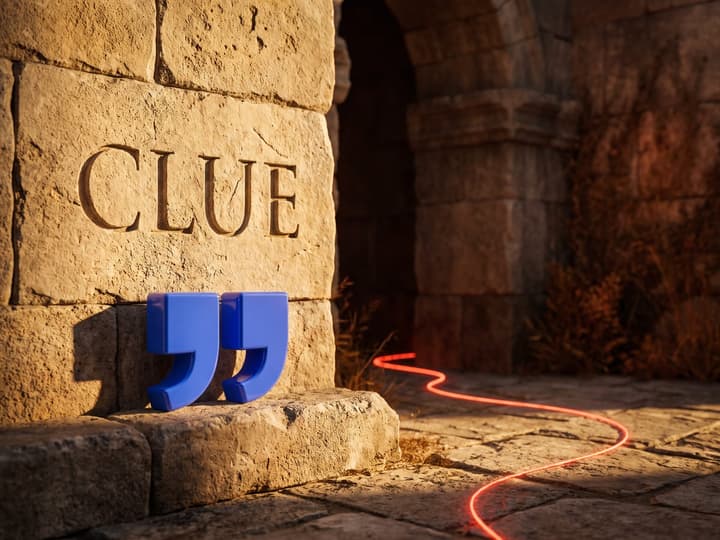
Why do we search for a "clue"?

Do you search for a "clue"? This word comes from an ancient Greek myth about a monster.

Historia · 16 listopada

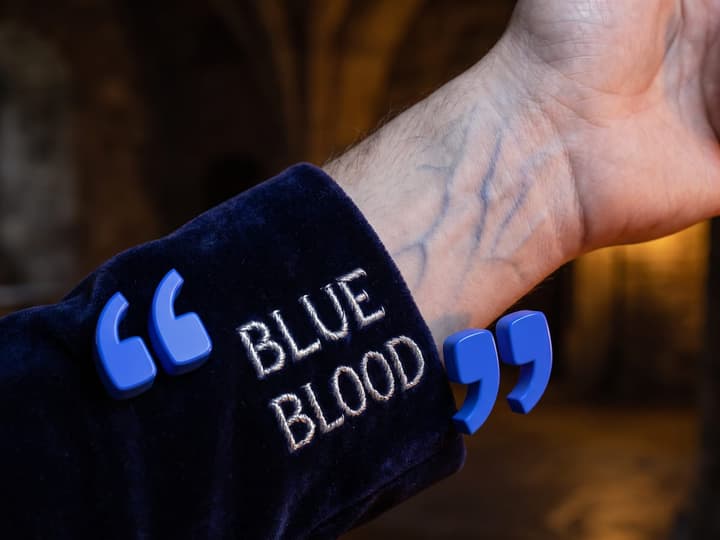
Why do we say blue blood?

Why do we call aristocrats "blue blood"? It started with Spanish nobles who wanted to prove their ancestry.

Codziennie coś nowego do czytania

Posty z „W skrócie” to krótkie historyjki napisane jasnym, codziennym angielskim. Każdy zajmuje od czterech do sześciu krótkich ekranów pod rysunkiem. To może być zaskakujący fakt, popularne przekonanie do sprawdzenia, praktyczna porada albo historia słowa. Jeden przeczytasz w około minutę, więc zawsze znajdzie się czas na jeszcze jeden.

Każdy post podaje źródła, na podstawie których powstał. W tym tygodniu są wśród nich Merriam-Webster, Smithsonian Magazine, Online Etymology Dictionary, Encyclopaedia Britannica, Britannica, The Guardian, Live Science, BBC, NASA, University of Iowa Hospitals & Clinics.

Nowe posty pojawiają się codziennie w dwunastu tematach, od kosmosu i przyrody po jedzenie, pieniądze i psychologię. Są pisane z myślą o uczących się, krótkimi zdaniami i codziennymi słowami, więc czytasz dla przyjemności, a po drodze łapiesz nowe angielskie słówka.

Jak czytać „W skrócie” w Lingard

Posty z „W skrócie” czekają w rzędzie kółek w Twojej bibliotece, najnowsze na początku. Otwórz jeden i przeczytaj go w około minutę, ekran po ekranie, a na każdym obrazek i kilka krótkich zdań. Kliknij nieznane słowo, a Lingard pokaże jego znaczenie w Twoim języku; kliknięcie zdania przetłumaczy je w całości, a każde zdanie można odsłuchać na głos.

Zapisuj słowa, które chcesz zapamiętać, a wrócą do Ciebie jako fiszki tuż przed tym, jak mogłyby wylecieć Ci z głowy. Polub post albo go pomiń, a kolejne dopasują się do Twojego gustu; ukryj temat, który Cię nie interesuje, a przestanie się pojawiać. Tematy książek, które czytasz, mają od początku pierwszeństwo.

Pytania o „W skrócie”

Po co czytać ciekawostki po angielsku?
Pytanie, na które chcesz poznać odpowiedź, sprawia, że czytasz do końca, a minutę łatwo znaleźć. Jeden post dziennie buduje nawyk, a te same codzienne słowa wracają w postach o zupełnie różnych rzeczach.
Czy te fakty są prawdziwe?
Każdy post powstaje na podstawie stron zaufanych źródeł, takich jak muzea, uniwersytety, słowniki, agencje kosmiczne i czasopisma naukowe, a na końcu są one wymienione. Mit jest najpierw opowiedziany tak, jak ludzie w niego wierzą, a odpowiedź pada zaraz potem.
Czy mogę czytać „W skrócie” za darmo?
Tak. Jeden post dziennie jest bezpłatny, w aplikacji Lingard i na lingard.app, ze wszystkimi narzędziami do słów i zdań. Pro otwiera wszystkie posty.

Przeczytaj cały post

Otwórz dowolny post w Lingard: kliknij słowo, by poznać jego znaczenie, przetłumacz zdanie i posłuchaj, jak brzmi czytane na głos.

Zacznij czytać za darmo

Inne języki: Ciekawostki po hiszpańskuCiekawostki po niemieckuCiekawostki po francusku