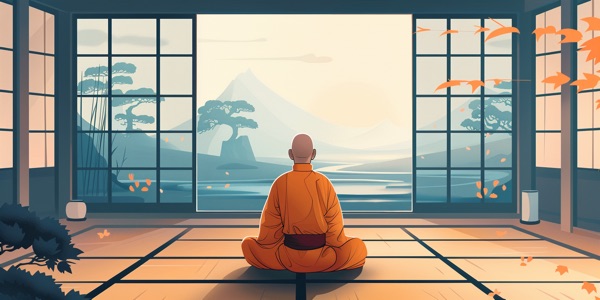
Embracing Zen principles can profoundly enrich your life, leading to enhanced tranquility and happiness. Here are seven refined practices, drawn from the wisdom of a Japanese Zen monk, that you can incorporate into your daily routine to cultivate calm and joy.
1. Morning Meditation and Reflection

Begin your day with a morning ritual of meditation. Find a quiet space and dedicate 10 to 15 minutes to sit in silence, focusing on your breathing and observing your thoughts as they come and go. This practice helps center your mind, reducing stress and anxiety. Follow your meditation with a moment of gratitude reflection. Consider writing down three things you are thankful for each day, which can shift your mindset to one of positivity and open-heartedness, effectively setting a constructive tone for the day ahead.
2. Mindful Eating

Transform each meal into a practice of mindfulness. Engage all your senses as you eat; notice the color, texture, and taste of your food. Chew slowly and avoid distractions like electronic devices or reading. This practice not only improves digestion by allowing you to eat more slowly and mindfully but also enhances your appreciation of the food's flavors and nourishment, connecting you more deeply to the experience of eating.
3. Single-Tasking

Focus on one task at a time during your workday. This approach, known as single-tasking, helps maintain a clear and present state of mind, improving concentration and reducing feelings of being overwhelmed. When you focus solely on one task, you can give it your full attention, leading to higher quality work and greater job satisfaction. Resist the urge to switch between tasks, and notice how this focus can increase your productivity and decrease your stress levels.
4. Nature Connection

Regularly connect with nature to ground yourself and find peace. Whether it's a morning walk, a midday break in a nearby park, or simply tending to house plants, time spent in nature can significantly decrease stress and enhance your mood and mental health. Try to make this connection a sensory experience—feel the breeze, listen to the birds, and observe the changing seasons, which can help you feel more relaxed and connected to the world around you.
5. Mindful Communication

Cultivate the art of mindful communication by practicing active listening. When conversing with others, focus entirely on what they are saying without thinking about how you will respond. This respect for their expression can improve mutual understanding and reduce conflicts. By being fully present in your interactions, you foster deeper connections and more meaningful relationships.
6. Evening Review and Planning

Spend a few minutes each evening reflecting on your day. This introspection can help you identify what you accomplished and what challenges you faced. Use this insight to learn and grow from your experiences. Additionally, plan your next day's activities, which can help reduce anxiety about the unknown and make your days more productive and purposeful. Setting out your clothes, preparing your meals, or creating a to-do list the night before can lead to smoother mornings.
7. Nighttime Unwinding

Develop a calming evening routine to help transition from the busyness of the day into a peaceful night's rest. Engage in activities that relax you, such as reading, writing in a journal, practicing gentle yoga, or listening to soothing music. Avoid stimulating activities such as watching television or scrolling through social media before bed. This routine can help signal to your body that it is time to wind down, promoting better sleep quality and making it easier to fall asleep.
 Lingard

 Shamanic Keys to Reclaim Your Personal Power, Transform Yourself, and Light Up the World
 The Dance of the Gods
 Inspiration & Motivation to End Your Week Stronger Than It Started
 How noise sensitivity disrupts the mind, brain and body
 You're not burned out. You're just living on pause
 You're busy, but not tired? Maybe you just forgot what real rest feels like
 The Psychology of Optimal Experience
 The Hidden Power of the Highly Sensitive Person in a Loud, Fast, Too-Much World
 How to Break Away from Overworking
 The Secret Spiritual Art of Succeeding at Work
 Practical Mindfulness for Busy People
 In Search of the Sacred in Modern India