The words readers of this text looked up most, each with its meaning and the line it comes from.
la indagación / la indaˈɣasjon /nouninquiry
Estas secciones iniciales preparan el terreno para una profunda indagación sobre la naturaleza.
These initial sections set the stage for a deep inquiry into nature.
investigationresearchexploration
agregar / a.ɣɾeˈɣando /verbadding
Los juicios sintéticos amplían nuestro conocimiento al agregar información.
Synthetic judgments expand our knowledge by adding information.
añadiraumentarincorporar
alcanzable / alkãˈsaðo /adjectiveattainable
A través del examen minucioso de los requisitos previos para el conocimiento alcanzable, Kant buscaba proteger las ciencias del escepticismo.
Through careful examination of the prerequisites for attainable knowledge, Kant sought to protect the sciences from the skepticism.
posiblefactible
amplían / amˈpli.an /verbexpand
los juicios sintéticos amplían nuestro conocimiento
Synthetic judgments expand our knowledge
extenderdesarrollar
argumentó / aɾɣumenˈto /verbHe argued
Argumentó que si bien nuestros sentidos nos proporcionan el material básico del conocimiento...
He argued that while our senses provide us with the basic material of knowledge...
razonódiscutióexpuso
advances
la exploración avanza hacia la Doctrina Trascendental de los Elementos.
the exploration advances towards the Transcendental Doctrine of Elements.
progresacontinúa
la búsqueda / ˈla ˈbuska /nounsearch
El viaje filosófico de Kant fue impulsado por una búsqueda.
Kant's philosophical journey was driven by a search.
investigaciónexploraciónindagación
caminos / los ˈkamɪnos /nounpaths
reconciliar los caminos divergentes
reconcile the divergent paths
sendastrayectorias
las capacidades / las las.ka.pa.θiˈða.ðes /nouncapabilities
Immanuel Kant exploró las capacidades de la cognición humana.
Immanuel Kant explored the capabilities of human cognition.
habilidadesaptitudespotencialidades
conocer / ko.noˈθeɾ /verbknow
existen límites inherentes a lo que podemos conocer solo a través de la razón.
there are inherent limits to what we can know only through reason.
sabercomprenderentender
challenged
Esta proposición radical desafió las nociones predominantes.
This radical proposition challenged the prevailing notions.
cuestionóimpugnórebatío
desconcertado / des.kon.θerˈta.do /verbbaffled
las indagaciones metafísicas que han desconcertado a la humanidad
metaphysical inquiries that have baffled humanity
confundidoperplejo
 Lingard
 12 Reglas para la Vida
 La práctica de no pensar
 Liderando una Vida Inspirada
 Vidas de los Estoicos
 Haciendo Sentido
 O bien/Otra cosa
 Cuatro Mil Semanas
 Mi cuaderno estoico
 Convertirse en Beauvoir
 Edipo Rey
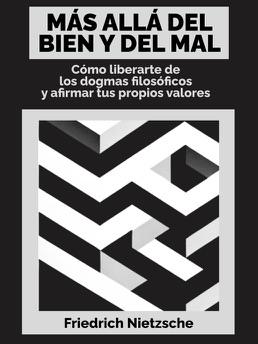 Más allá del bien y del mal
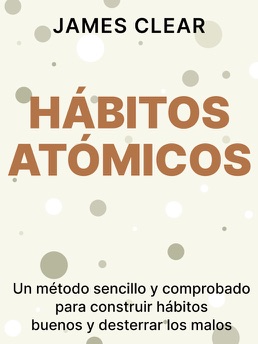 Hábitos Atómicos