




















Lingard
English books
One-minute reads · new posts every day

Fun facts in English

Short posts in simple English about space, nature, history and everyday life: a surprising fact, a myth to check, a handy how-to or the story of a word.

Start reading for free

Shorts

Facts, myths and life hacks in a minute

Surprising facts

Travel · November 27

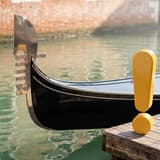
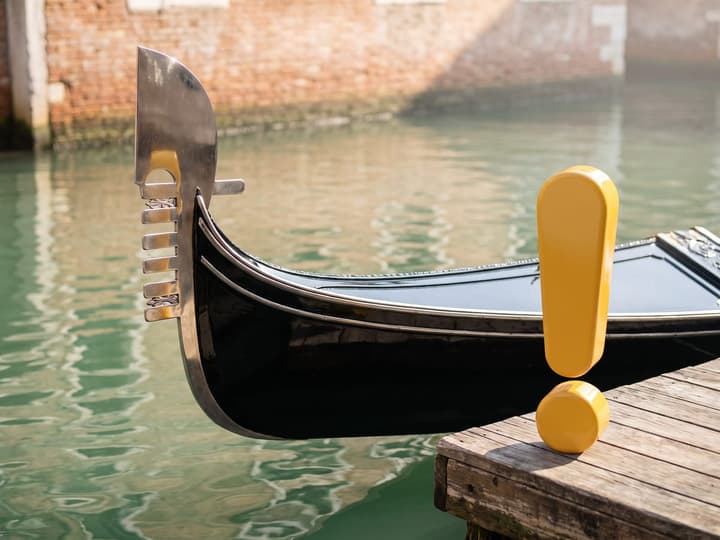
Why are Venice gondolas black?

Every traditional gondola in Venice is black. This comes from a strict law from the 16th century.

Nature · November 26

Are mushrooms more like humans than plants?

You might think mushrooms are plants. However, they are genetically closer to humans!

Inventions · November 23

Who really found the first computer bug?

In 1947, a real moth got trapped inside a massive computer. However, the famous pioneer Grace Hopper probably did not find it.

Space · November 23

Can a day be longer than a year?

On the planet Venus, a single day lasts longer than an entire year.

Arts · November 21

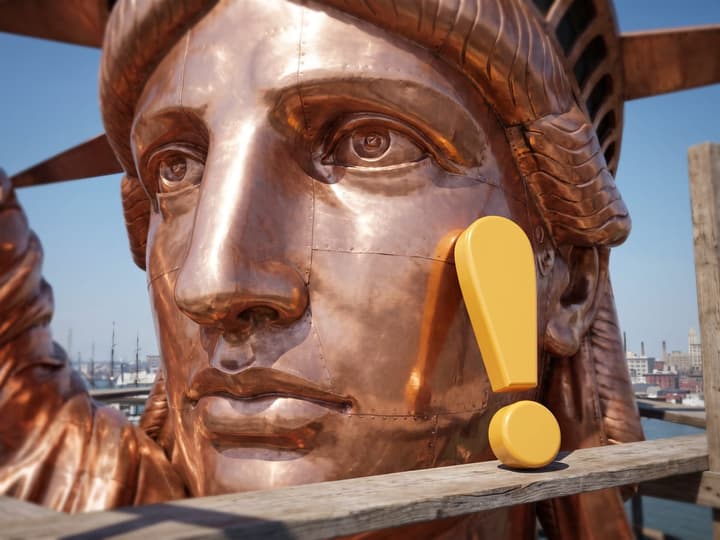
Why is the Statue of Liberty green?

The Statue of Liberty was not always green. In 1886, it was a shiny, penny-brown color.

Inventions · November 19

How bubble wrap was invented

In 1957, inventors created bubble wrap to be textured plastic wallpaper. They wanted to sell it to the young Beat generation.

Nature · November 19

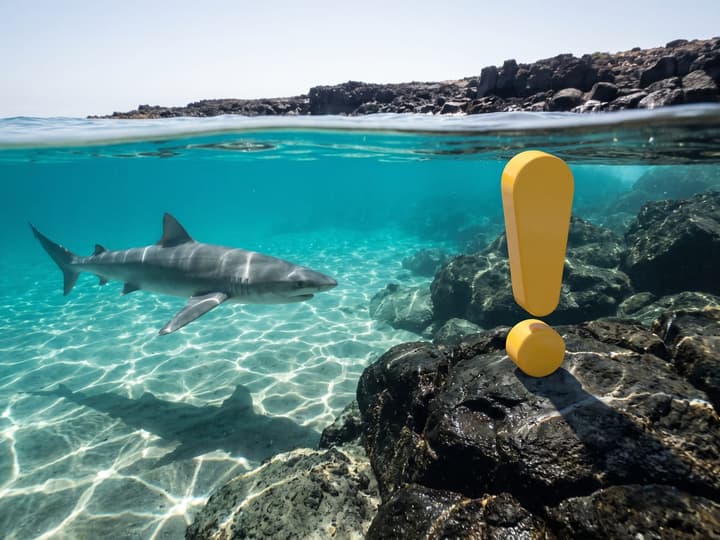
Have sharks lived longer than trees?

Sharks swam in the oceans before the first trees grew on land.

Words · November 17

Why are political candidates called shining white?

The word candidate literally means shining white. This came from an ancient Roman trick to look honest.

Food · November 17

Can honey really last forever?

Honey is one of the only foods that can never spoil. Scientists found honey from ancient Egyptian tombs that is still good to eat.

Inventions · November 17

Why is your keyboard arranged this way?

Many people think creators made the QWERTY keyboard to slow down your typing. However, researchers now say this popular story is just a myth.

History · November 17

Why did emperors eat with aluminum spoons?

In the mid-1800s, aluminum was more valuable than gold. It was extremely rare and difficult to produce.

Psychology · November 17

Is the doorway effect actually real?

Do you sometimes enter a room and forget why? The famous "doorway effect" might not be real.

Myth or truth?

Arts · November 25

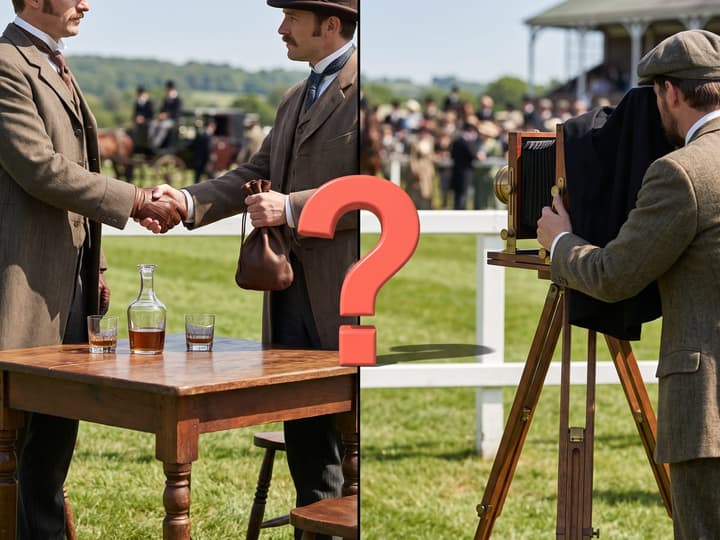
Did a bet create the first motion picture?

The first photos of a galloping horse were made to settle a $25,000 bet.

Nature · November 25

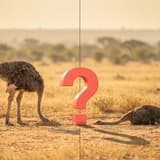
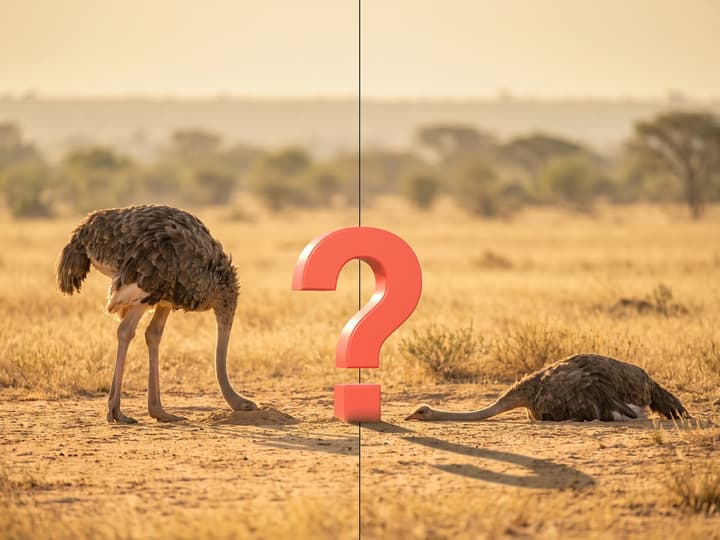
Do ostriches really bury their heads?

Ostriches bury their heads in the sand when they are afraid.

Nature · November 24

Can dogs see colors?

Dogs can only see the world in black, white, and shades of gray.

Nature · November 21

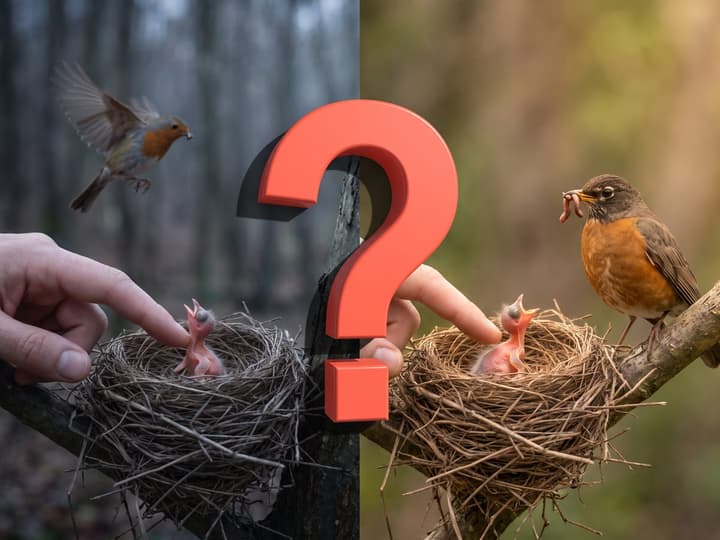
Will a mother bird abandon touched babies?

Touching a baby bird leaves a human scent on it. This scent drives the mother to abandon her young.

Nature · November 20

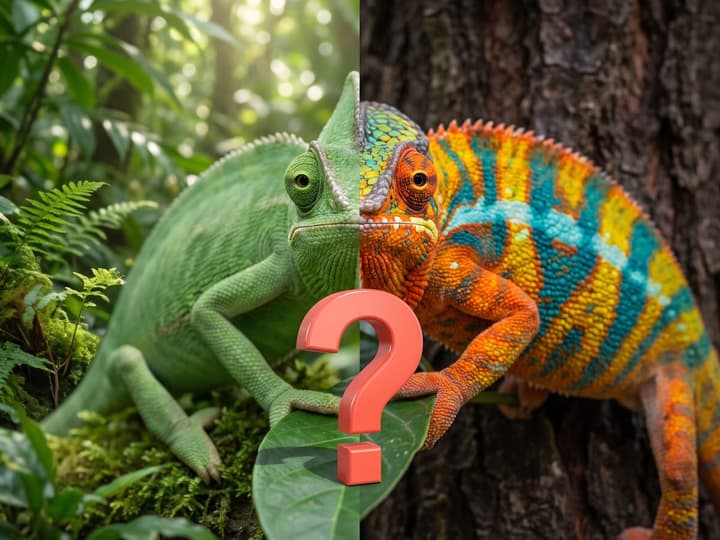
Why do chameleons change color?

Chameleons change their skin color to blend in with their background. This helps them hide from dangerous enemies.

Nature · November 18

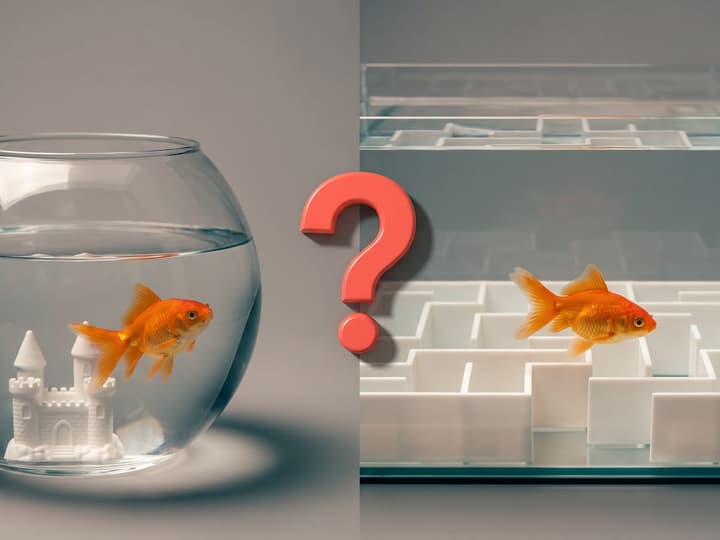
Do goldfish really forget everything?

Goldfish have a memory span of only three seconds.

Inventions · November 18

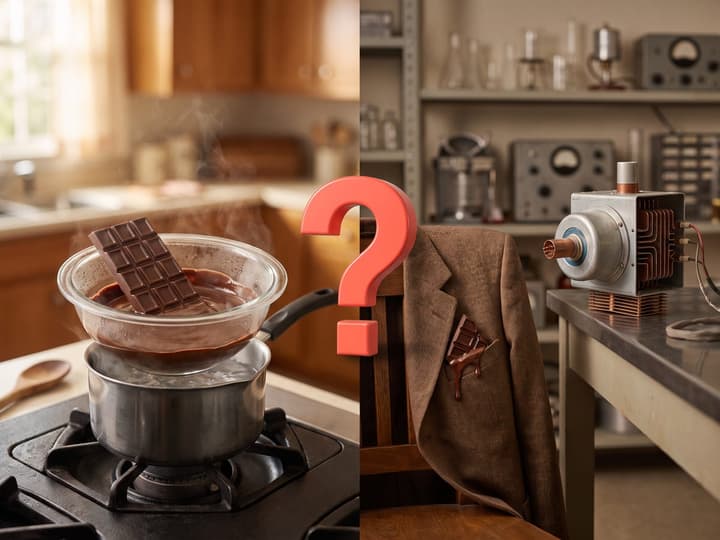
The accidental invention of the microwave

The microwave oven was invented because a chocolate bar melted in a scientist's pocket.

Nature · November 17

How much does a cloud weigh?

Many people believe clouds have almost no weight. They think clouds float like helium balloons.

Space · November 17

Why do astronauts float in space?

Astronauts float because there is no gravity in space.

Inventions · November 16

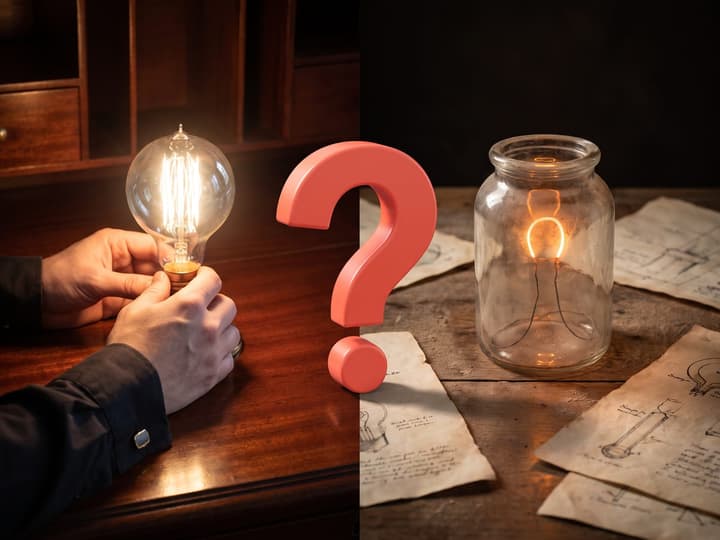
Did Thomas Edison invent the light bulb?

Thomas Edison invented the first light bulb.

Travel · November 16

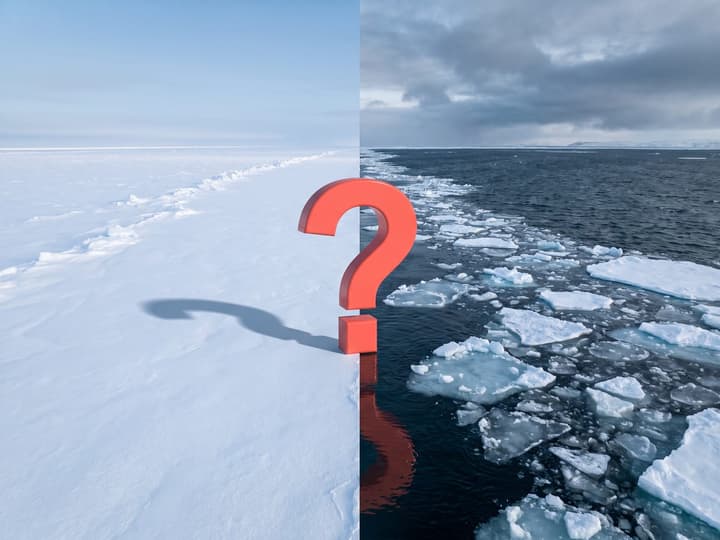
Can you walk from the US to Russia?

Some people believe you can walk from the US to Russia in winter. They say this is possible when the ocean freezes.

Arts · November 16

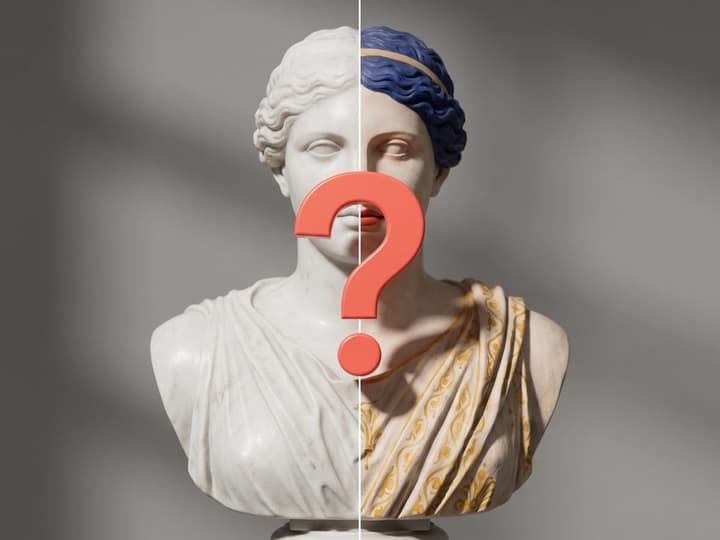
Were ancient marble statues always white?

Ancient Greek and Roman marble statues were originally white.

Handy how-tos

Travel · November 27

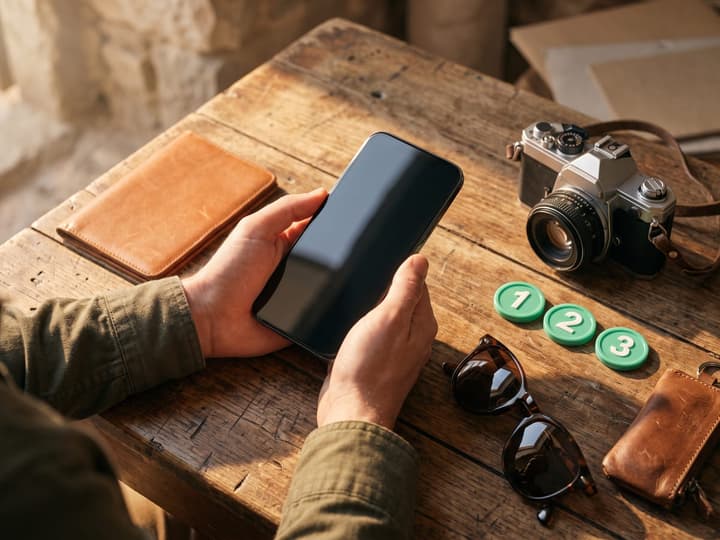
How to navigate foreign cities offline

Using mobile data in foreign countries can be incredibly expensive. You can navigate any foreign city completely offline without mobile data.

Travel · November 26

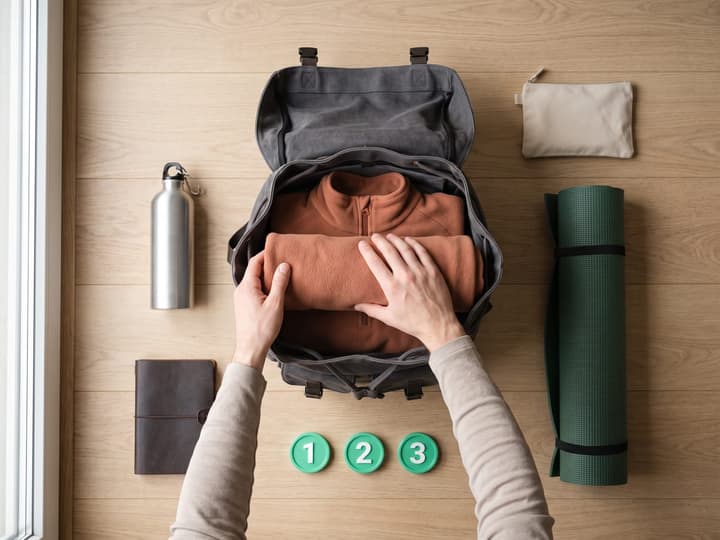
How to pack your backpack safely

Carrying a heavy backpack can strain your back, shoulders, and neck. You will learn to pack it correctly using science.

Home · November 25

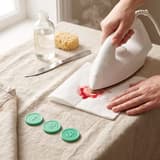
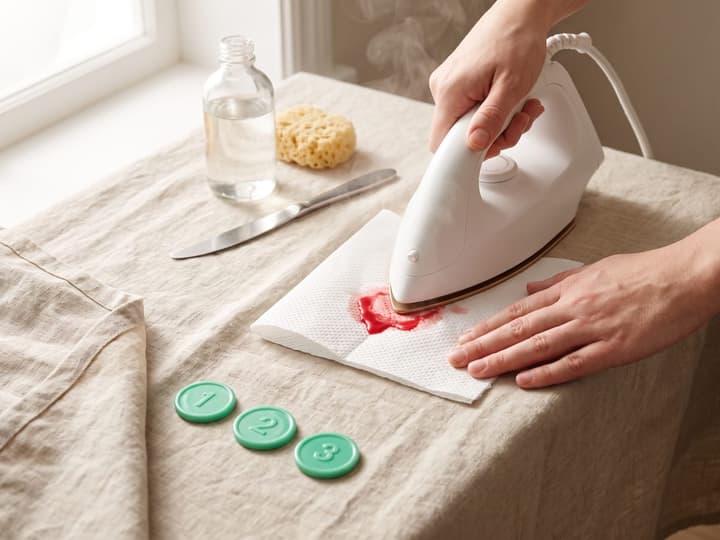
How to remove candle wax from fabric

Spilled candle wax can ruin your fabric or carpet. You can remove it safely with a warm iron and paper towels.

Home · November 24

How to clean your microwave with a lemon

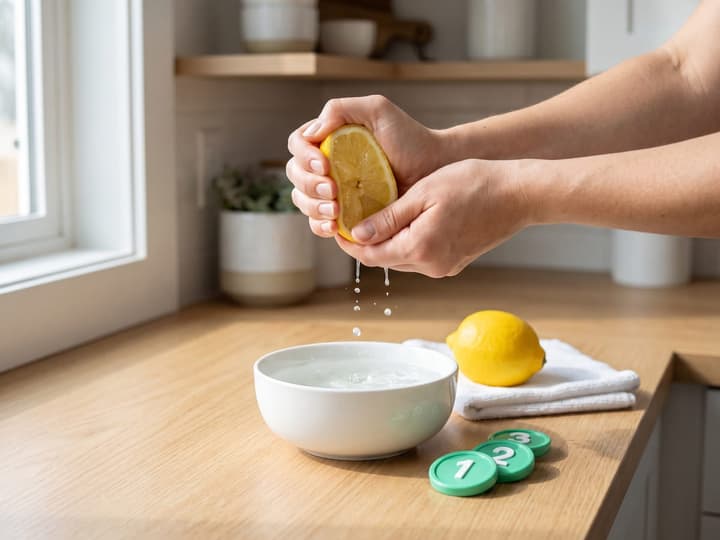
Your microwave gets covered in stubborn grease and food splatters. You can easily clean it without scrubbing.

Money · November 23

How to find cheaper supermarket products

Supermarkets place expensive brands at your eye level. Today, you will learn how to find the best-value products easily.

Food · November 21

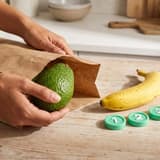
How to ripen an avocado quickly

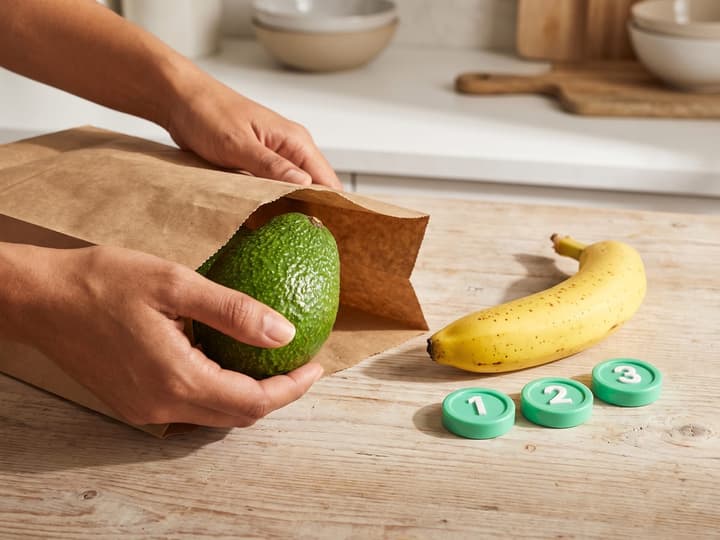
Unripe avocados take days to become soft. This is frustrating when you want guacamole. You can ripen them much faster.

Psychology · November 17

How to calm your brain quickly

When you get stressed, your heart and breathing speed up. You can quickly calm your brain with a simple breathing trick.

Psychology · November 16

How to remember everyone's name

It is very embarrassing to forget someone's name right after meeting them. You can learn a simple three-step trick to remember everyone.

Home · November 16

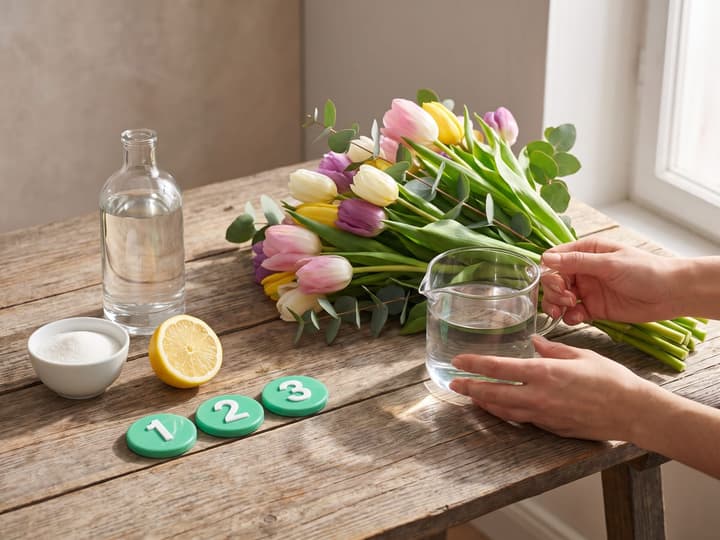
How to keep your cut flowers fresh

Cut flowers lose their nutrients quickly and can wilt fast. You can make your beautiful bouquet last much longer. This simple guide will show you how to do it.

Stories behind words

Words · November 27

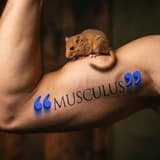
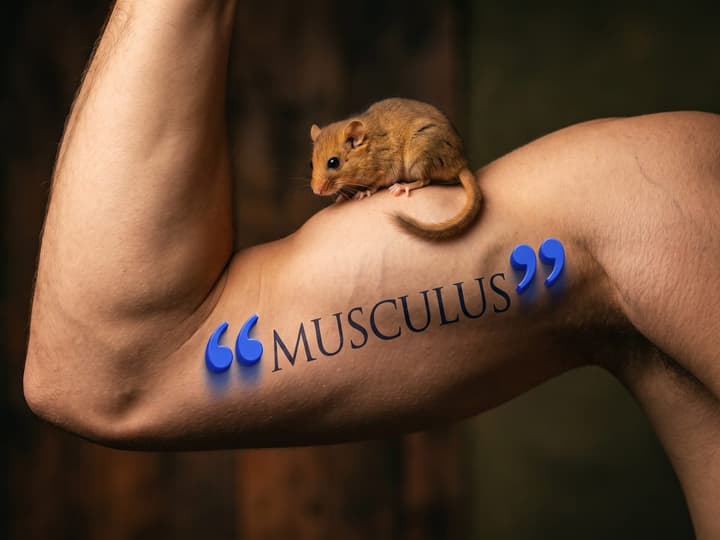
Why do muscles mean little mice?

Why do we use the word "muscle" today? Its original Latin meaning is actually "little mouse".

Space · November 26

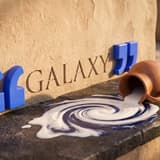
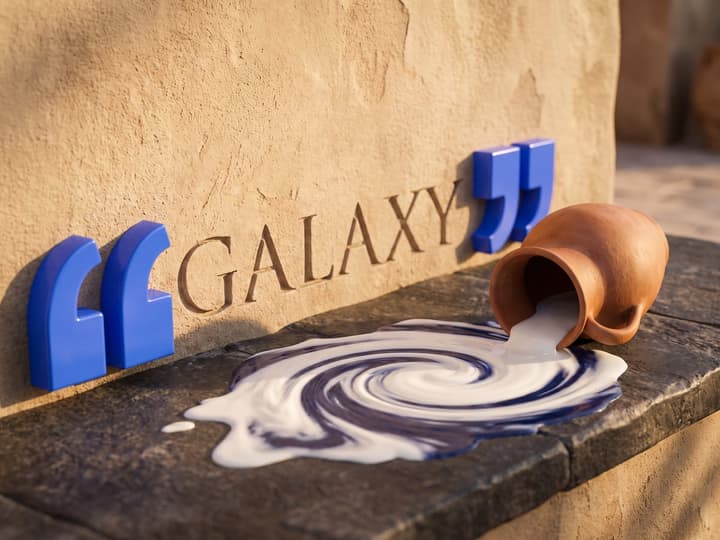
Why a galaxy is actually about milk

Did you know that the word "galaxy" is actually about milk? This beautiful space term has a very surprising dairy history.

Words · November 24

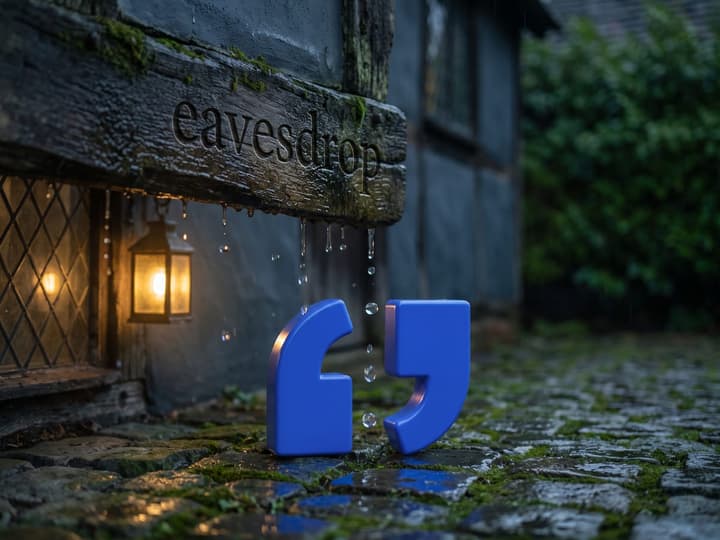
Why does listening in secret involve rain?

Why does the word "eavesdrop" relate to a roof dripping in rain?

Food · November 22

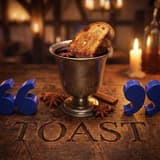
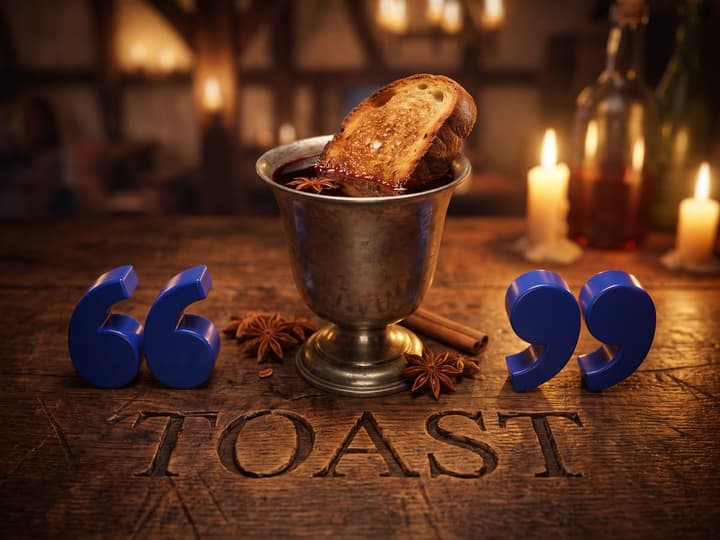
Why do we say toast to celebrate?

We say "toast" when we raise a glass to celebrate someone. But why do we name a happy drink after warm bread?

Words · November 20

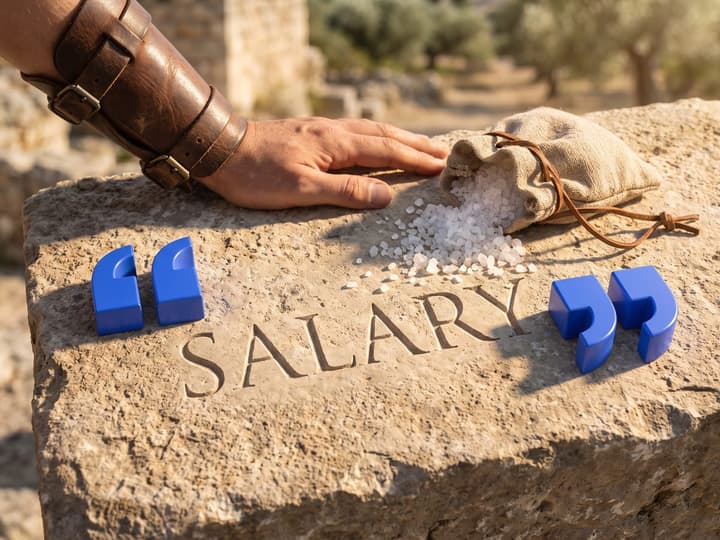
Does your salary really come from salt?

Do you know the word "salary"? People say Roman soldiers received salt as pay. However, this popular story is actually a myth.

Words · November 20

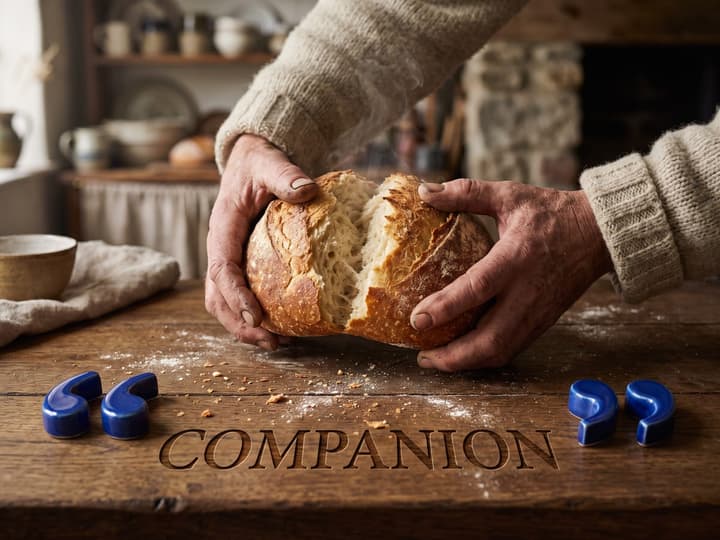
The delicious origin of the word companion

Do you have a "companion" in your life? This common word has a very delicious history.

Words · November 19

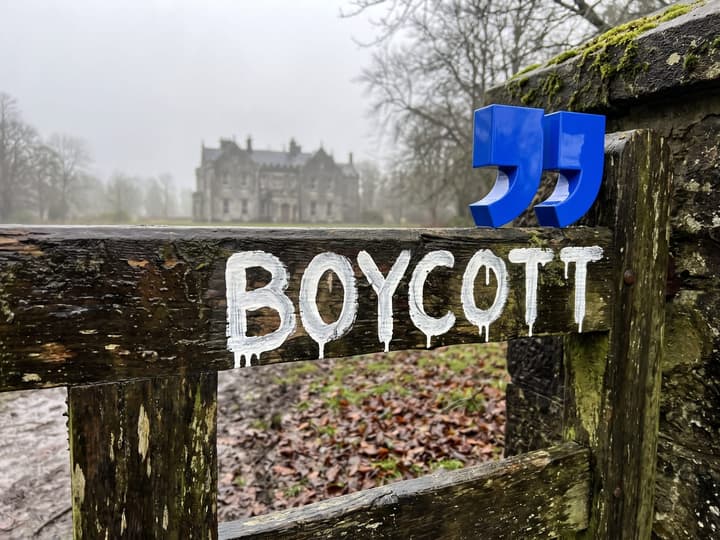
Why do we say boycott?

The word "boycott" comes from a very unpopular British man. His name was Charles Boycott.

Words · November 18

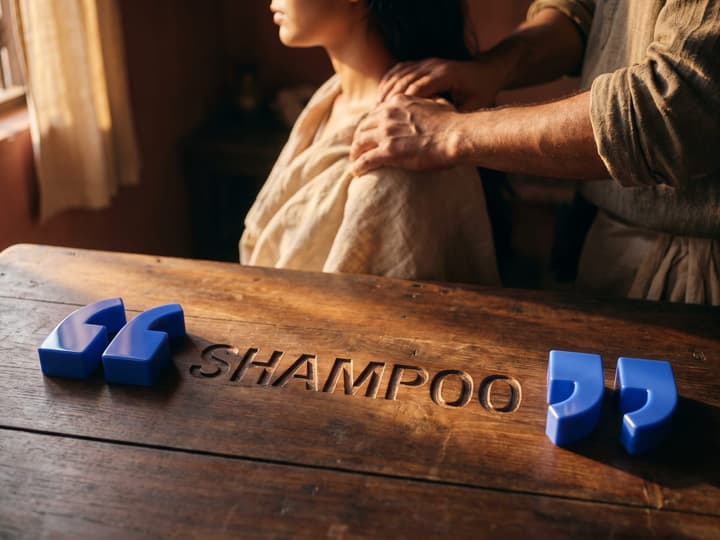
Where does the word shampoo come from?

The word "shampoo" originally had nothing to do with soap. It did not mean washing your hair.

Money · November 17

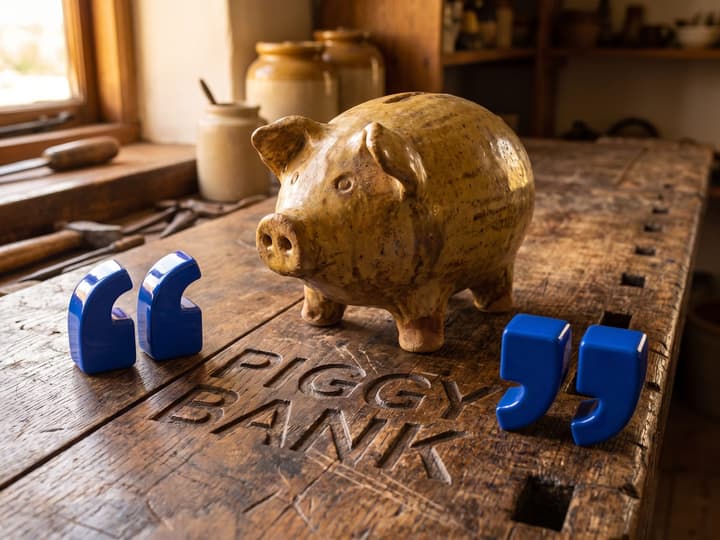
The real story behind the piggy bank

The popular story of the "piggy bank" is actually a myth. Many believe a linguistic mix-up created these famous pig-shaped coin containers.

Words · November 17

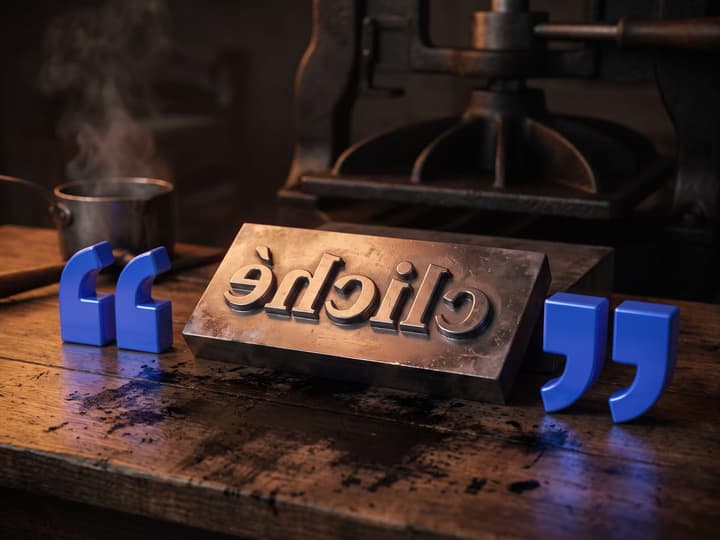
The noisy printing history of cliché

Did you know that "cliché" was originally just a sound? It came from a noisy printing machine.

Words · November 16

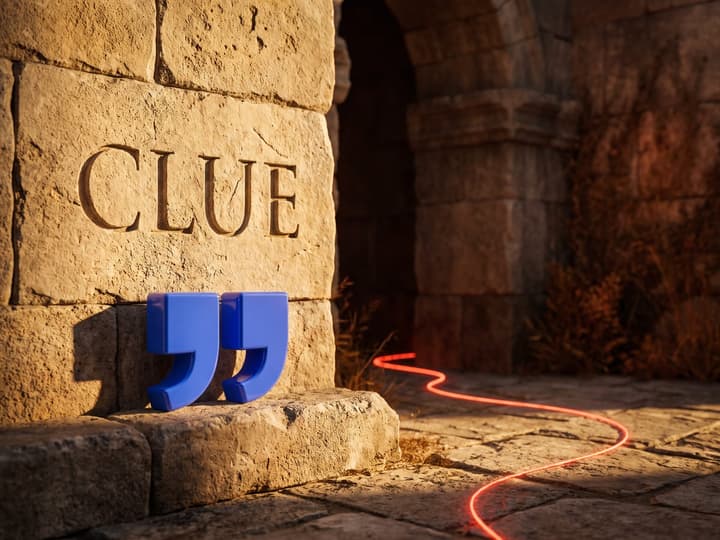
Why do we search for a "clue"?

Do you search for a "clue"? This word comes from an ancient Greek myth about a monster.

History · November 16

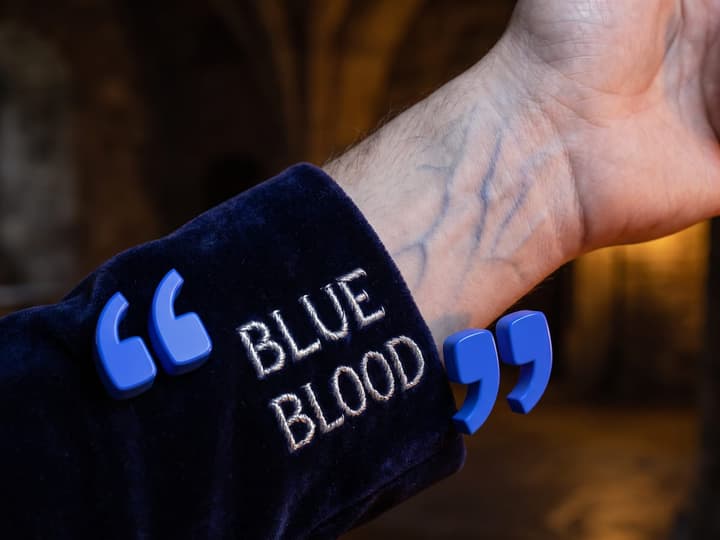
Why do we say blue blood?

Why do we call aristocrats "blue blood"? It started with Spanish nobles who wanted to prove their ancestry.

Something new to read every day

Shorts are tiny stories in clear, everyday English. Each one is four to six short screens under a drawn picture: a surprising fact, a popular belief to check, a handy how-to or the story behind a word. You finish one in about a minute, so there is always time for one more.

Every post names the sources it was written from. This week they include Merriam-Webster, Smithsonian Magazine, Online Etymology Dictionary, Encyclopaedia Britannica, Britannica, The Guardian, Live Science, BBC, NASA, University of Iowa Hospitals & Clinics.

New posts come out every day on twelve topics, from space and nature to food, money and the mind. They are written for learners, with short sentences and everyday words, so you read for the fun of it and pick up new English on the way.

How to read Shorts in Lingard

Shorts wait in a row of circles in your library, the newest first. Open one and read it in about a minute, a picture and a few short sentences at a time. Tap a word you do not know and Lingard gives its meaning in your language; a tap on a sentence translates all of it, and any sentence can be read aloud.

Save the words you want to keep and they come back as flashcards just before you would forget them. Like a post or skip it, and the next ones follow your taste; hide a topic you do not care about and it stops coming. The topics of the books you read get a head start.

Questions about Shorts

Why read fun facts in English?
A question you want answered keeps you reading to the end, and a minute is easy to find. A post a day builds the habit, and the same everyday words come back in posts about very different things.
Are the facts true?
Each post is written from pages of trusted sites, such as museums, universities, dictionaries, space agencies and science magazines, and names them at the end. A myth is first told the way people believe it, and the answer comes right after.
Can I read Shorts for free?
Yes. One post a day is free, in the Lingard app and on lingard.app, with every tool for words and sentences. Pro opens every post.

Read the whole post

Open any post in Lingard to tap its words for their meaning, translate a sentence and listen to it read aloud.

Start reading for free

Other languages: Fun facts in SpanishFun facts in GermanFun facts in French