Start with a story you can finish
A story you finish teaches you more than a novel you give up on. The stories on this page are 1,000 to 1,700 words long, ten to twenty minutes each, and they send characters you already know on new adventures: Cinderella, Aladdin, Mowgli, Winnie the Pooh. When the plot is half familiar, you can guess a new word instead of stopping for it.
English stories are told in the past simple, and the most common verbs are the irregular ones: went, saw, took, said, found. A list of them is hard to learn and easy to forget. In a story you meet the same forms on every page, in sentences that mean something, and they stay.
How to read a story in English as a beginner
Read the story once from start to finish. Tap only the words that stop you: a tap shows what the word means in this sentence, which matters in English, where run, get and set have dozens of meanings.
Then read it again with the audio on. English spelling does not tell you how a word sounds: think of though, through and thought. Hearing each line as you read it is the fastest way to connect the two.
Save the words you want to keep. They come back in short, spaced reviews until you know them, and the next story is easier.
Questions beginners ask
- How much English do I need for these stories?
- For the A1 retellings, the present tense and a few hundred common words are enough. The A2 stories use the past simple throughout; if you know the forms of be, have and go, you can tap the rest as you read.
- Why fairy tales?
- Because you already know who Cinderella is. A familiar character and a simple plot leave your attention free for the language, and these are new adventures, so there is still a reason to read to the end.
- What should I read after these stories?
- The B1 stories on this page, then the retellings of books and films at B1: Harry Potter and the Philosopher’s Stone, The Devil Wears Prada, Spirited Away.
 Lingard
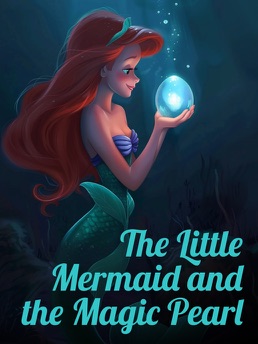 The Little Mermaid and the Magic Pearl
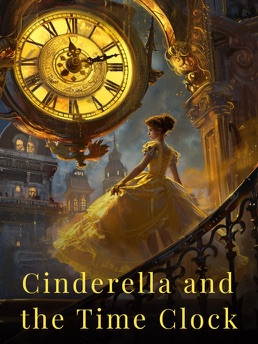 Cinderella and the Time Clock
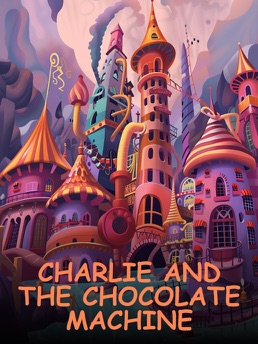 Charlie and the Chocolate Machine
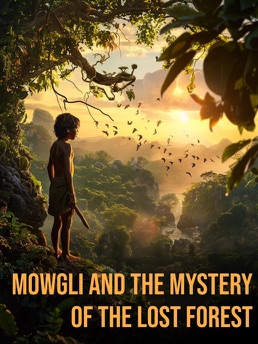 Mowgli and the Mystery of the Lost Forest
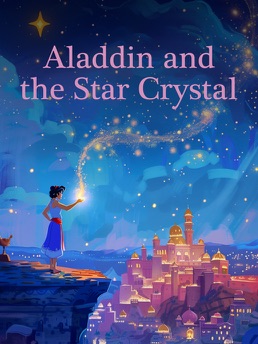 Aladdin and the Star Crystal
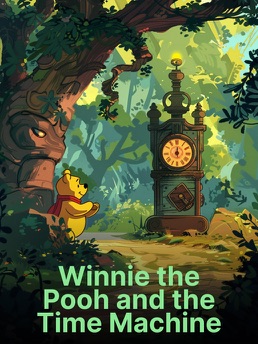 Winnie the Pooh and the Time Machine
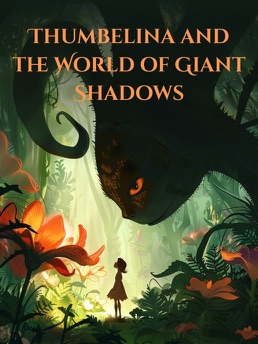 Thumbelina and the World of Giant Shadows
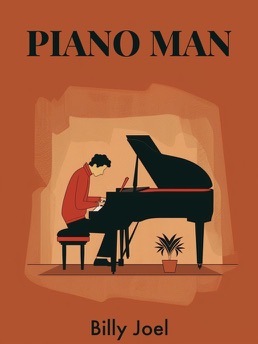 Piano Man
 Frankenstein
 Ariadne's Story
 V is for Vampire
 The Curse of the Mummy
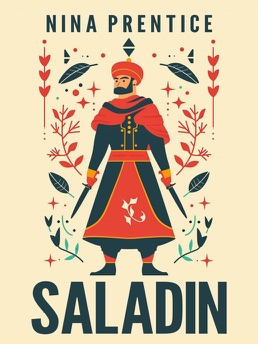 Saladin
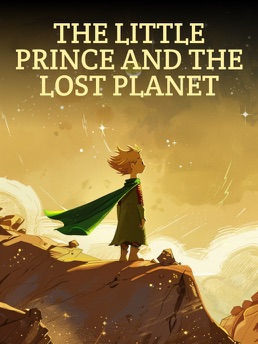 The Little Prince and the Lost Planet
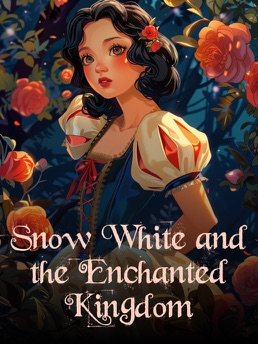 Snow White and the Enchanted Kingdom
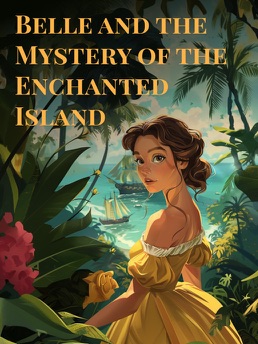 Belle and the Mystery of the Enchanted Island
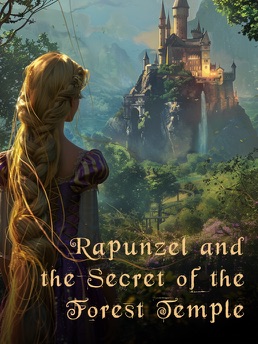 Rapunzel and the Secret of the Forest Temple
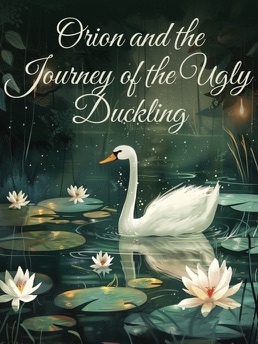 Orion and the Journey of the Ugly Duckling
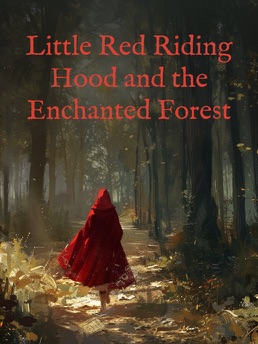 Little Red Riding Hood and the Enchanted Forest
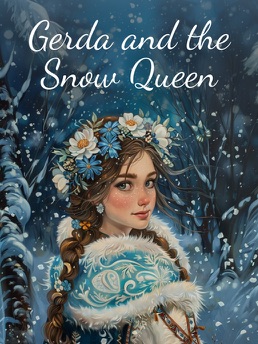 Gerda and the Snow Queen
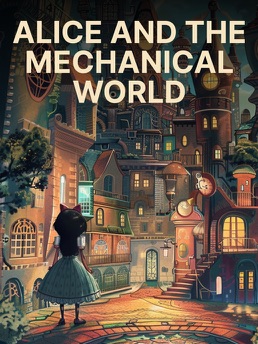 Alice and the Mechanical World
 Hello!
 Rick and Morty: "Pilot"
 First Job Chat
 Rick and Morty: "Lawnmower Dog"
 The Simpsons: "Homer's Odyssey"
 My Morning Routine