 Lingard
Why reading works so well for English
Many learners know English grammar well and still get lost in a real text. What they lack is not rules but practice: thousands of sentences where words appear in their usual company. Reading gives you that practice at your own pace, with nobody waiting for your answer.
English has one more reason to read: phrasal verbs and idioms. Give up, put off, run into, come across — a dictionary lists them all, but you only learn when to use which by meeting them in stories and conversations.
What to read, level by level
- Beginner · A1–A2
- Short dialogues about everyday situations, scenes inspired by Friends and Rick and Morty, and light articles like “Why Is Breakfast So Important?”. Most take a few minutes to read.
- Intermediate · B1
- This is where most of the catalog is: summaries of Atomic Habits and The Psychology of Money, retellings of Harry Potter and the Philosopher’s Stone and The Devil Wears Prada, and a weekly news digest. Long enough to get into, short enough to finish in an evening.
- Upper-intermediate and above · B2+
- Longer articles on work, science and psychology — good practice if you are preparing for IELTS — and the classics in the original: The Adventures of Sherlock Holmes, The Great Gatsby, Alice’s Adventures in Wonderland. They are not simplified, and you do not need every word to enjoy them.
New to English? Start here
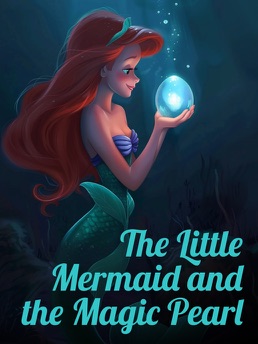
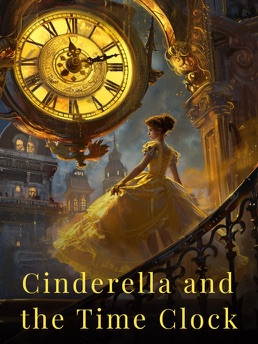
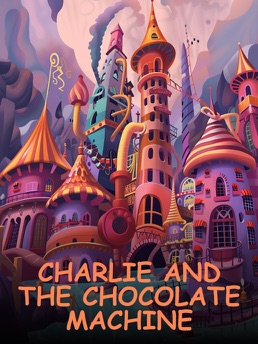

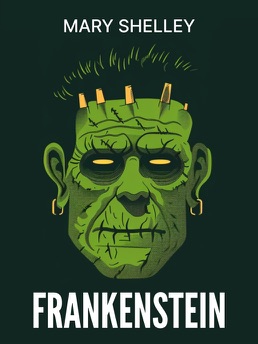
Reading English in Lingard
Open a text and read. When a word stops you, tap it to see what it means in this sentence, not a list of every possible meaning. If a whole sentence is unclear, translate it, then read it again in English. You can also turn on audio and listen as you read, which helps in a language where the spelling so rarely tells you the pronunciation.
Words you save go into your vocabulary and come back in short exercises, spaced so that you review each one just before you would forget it. That way the words you met in a book stay with you after you close it.
Browse the catalog
Every title here is also in the Lingard app. Pick a CEFR level to see only what matches your reading.
 Hello!
 Harry Potter: The Most Interesting Facts You Didn't Know
 Atomic Habits
 The Secret Garden
 Rick and Morty: "Pilot"
 Why is Breakfast so Important?
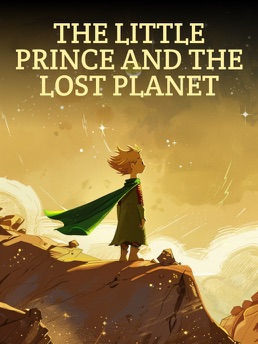 The Little Prince and the Lost Planet
 12 Rules For Life
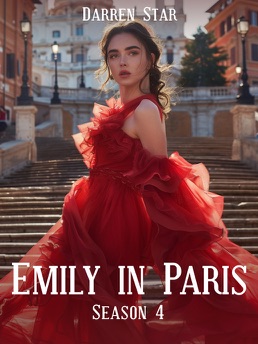 Emily in Paris Season 4
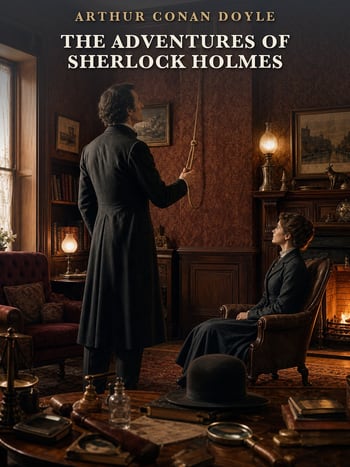 The Adventures of Sherlock Holmes