A reading list you can actually finish
A novel written for native speakers is a hard first book. It uses thousands of different words, and at A1 or A2 you know a few hundred; most people stop within a chapter. A book you will finish has to be written for your level. So this list is a ladder: books retold at A1 and A2, then famous stories retold at B1, then short classics in the original.
English has one advantage for a beginning reader: the grammar on the page is light. No genders, almost no endings. The difficulty is vocabulary. English has a very large one, and it loves phrasal verbs: look for, find out, give up. Reading is where you learn those, because their meaning comes from the sentence, not from the two words.
How to choose an English book at your level
A text is at your level when you understand most of a page without help, about nine words in ten. Below that, reading turns into decoding. The retold books here carry a CEFR level from A1 to B1, so start low and move up one step when a book feels easy.
Do not look up everything. Tap the words that stop you, save the ones you want to keep and let the others go; the common ones come back in the next chapter anyway.
Use the audio. English spelling and English sound often disagree, and a book you have also heard is a book you can talk about.
Questions beginners ask
- Can a beginner read a real English novel?
- Not comfortably. Start with the retold books above; by B1, a short classic such as A Christmas Carol is readable with a tap here and there.
- Which English book should I read first?
- Frankenstein at A1 if you are just starting, or an A2 retelling such as Ariadne’s Story if you can already read simple texts. If even that is long, begin with the short stories for beginners.
- Are children’s books good for adult learners?
- Some are, later. The Secret Garden is the most read classic in Lingard, but at 78,000 words it is a book for B1 and above. For a beginner, a text written at A1–A2 is easier than any children’s book written for native speakers.
 Lingard
 Piano Man
 Frankenstein
 Ariadne's Story
 V is for Vampire
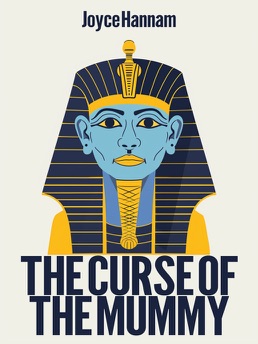 The Curse of the Mummy
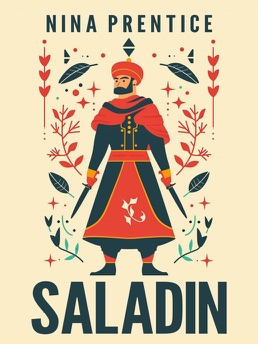 Saladin
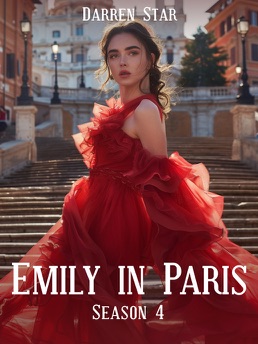 Emily in Paris Season 4
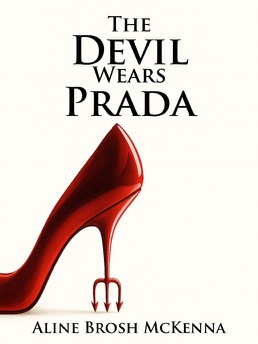 The Devil Wears Prada
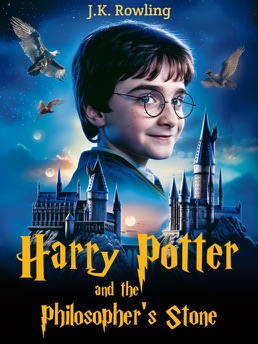 Harry Potter and the Philosopher's Stone
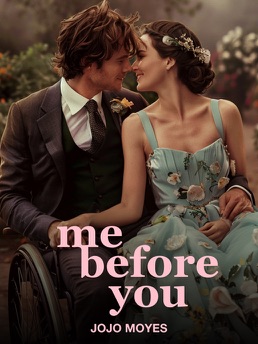 Me Before You
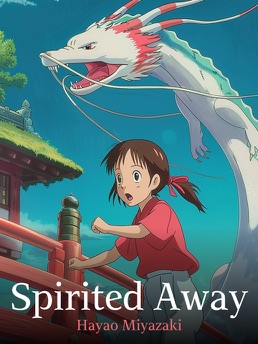 Spirited Away
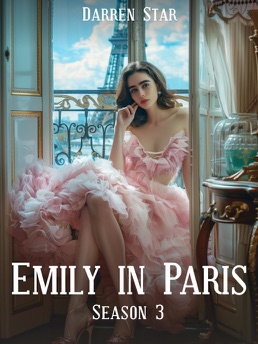 Emily in Paris Season 3
 Mr. & Mrs. Smith
 Stranger Things Season 1
 Emily in Paris Season 1
 Howl's Moving Castle
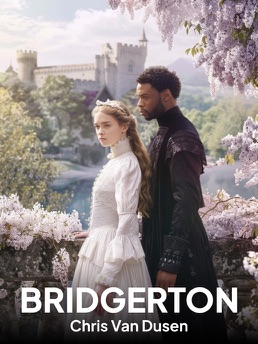 Bridgerton
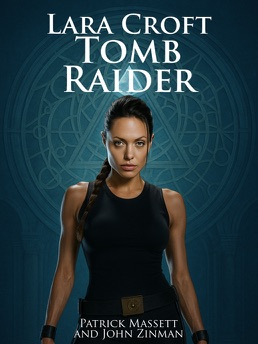 Lara Croft: Tomb Raider
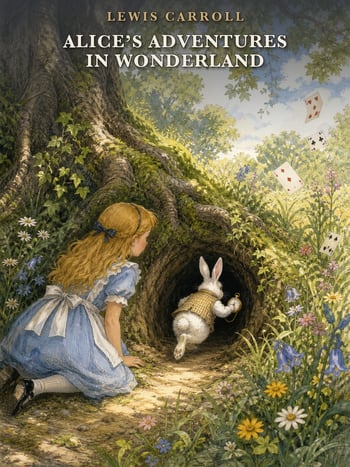 Alice’s Adventures in Wonderland
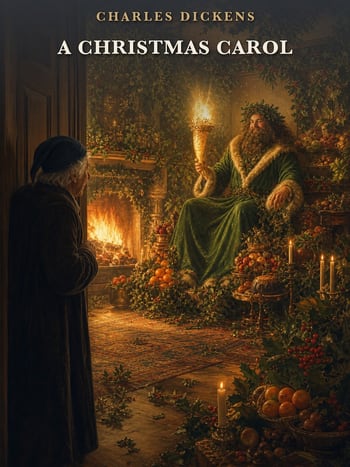 A Christmas Carol
 The Young Visiters
 Nightmare Abbey
 Our Nig
 A Tangled Tale