German books you can finish as a beginner
A German novel is a hard first book. Sentences run long, the verb waits at the end, and at A1 or A2 you would stop at every line. A first book has to be written for your level. This list is a ladder: books retold at A1 and A2, then famous stories retold at B1, then short classics in the original.
Two things make German reading look harder than it is. Long words are several short ones joined together, and the unfamiliar verb forms in books, such as ging, sah and kam, are the written past tense of verbs you already know. Both stop being a problem after a few dozen pages; this list gives you those pages at a level you can manage.
How to choose a German book at your level
You are at the right level when you understand about nine words in ten on a page. The retold books carry a CEFR level: start at A1 and step up when a book feels easy.
Tap the compounds. Halbblutprinz is halb, Blut and Prinz; a tap gives you the meaning at once, and you learn to split such words yourself.
Read with the audio when you can, and save the words you want to keep. They come back in short, spaced reviews until you know them.
Questions beginners ask
- Can a beginner read a real German novel?
- Not comfortably. Begin with the retold books above; by B1, a short original such as Krambambuli is readable with a tap here and there.
- Is Der Kleine Prinz a good first book in German?
- It is short and its sentences are simple, but it is told in the Präteritum and full of abstract words. Lingard has it retold at B1, which is where most learners can enjoy it.
- Which German book should I read first?
- Frankenstein at A1 if you are just starting; Ariadnes Geschichte at A2 if you already read simple texts. For something shorter, start with the short stories for beginners.
 Lingard
 Frankenstein
 Der Piano-Mann
 Ariadnes Geschichte
 Saladin
 V steht für Vampir
 Der Fluch der Mumie
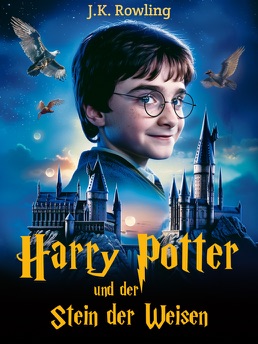 Harry Potter und der Stein der Weisen
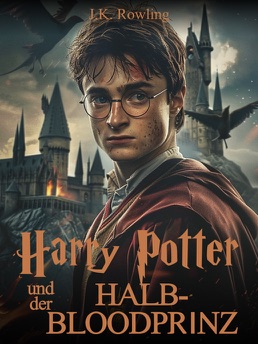 Harry Potter und der Halbblutprinz
 Emily in Paris Staffel 3
 Shrek
Shrek
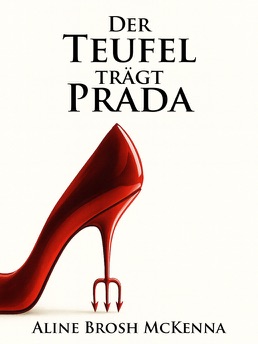 Der Teufel trägt Prada
 Mr. & Mrs. Smith
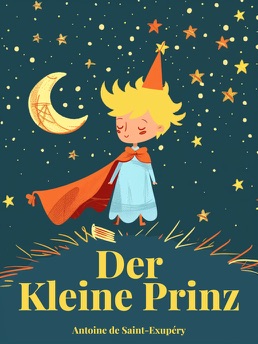 Der Kleine Prinz
 Iron Man
 Vor dir
 Emily in Paris Staffel 4
 Emma
Emma
 Bridgerton Staffel 2
 Der Herr Hofrat
 Krambambuli
 Des Rajahs Diamant
 Der Schatz von Franchard
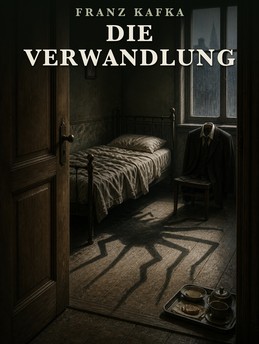 Die Verwandlung
 Der Kreisphysikus