Reading practice that ends with questions
Reading practice works best with texts that are short, about something you care about and a little above your level. The articles on this page were written for learners of German at four CEFR levels, from texts of 150 words at A1 to essays of about 1,000 words at B2, on what adults read about anyway: food, travel, films, health, science and work.
Almost every article ends with a few comprehension questions, like the ones in the reading part of the Goethe-Zertifikat. Answer them in Lingard when you finish: they show at once whether you understood the text or only recognised its words. Tap a German word you do not know to see its translation and save it for review.
How to practise reading in German
Choose a level where you tap fewer than one word in ten. If you tap more, go down a shelf; if you tap almost none, go up. A long German noun often looks harder than it is: Frühstücksgewohnheiten is breakfast plus habits, so try to split a long word before you tap it.
Read the article once without stopping, then answer the questions. In German the verb that carries the meaning often stands at the very end of the sentence, so when you miss a question, read the sentence again to its last word.
Save the words you expect to meet again, and save a noun with its article, der, die or das. A noun learnt without its article has to be learnt a second time.
Questions beginners ask
- How long does one article take?
- Articles at A1 are 160 to 400 words, three or four minutes of reading. An essay of 900 words at B2 takes ten to twelve minutes, because German words are long. Every card shows its reading time.
- Is this good practice for an exam?
- Yes, for the reading part of the Goethe-Zertifikat or telc at the same level: a text of a few hundred words and questions about it. The questions here do not follow any exam's format, so practise the format itself with an official sample paper.
- What if an article is too hard?
- Go back one level for a week. If a long German sentence blocks you, tap it to see it translated, then read it again in German and find where the verb went.
 Lingard
 Interessante Getränke aus verschiedenen Ländern
 Massage: Gesundheit und Entspannung
 Gesunde Frühstücke: Geheimnisse, um den Tag voller Energie zu beginnen
 Gesunde Verdauung: Grundlegende Tipps
 Veganes Kochen: Köstliche pflanzliche Rezepte
 Die besten Desserts der Welt: Eine Vielfalt süßer Köstlichkeiten
 Familienreisen: Gemeinsam unvergessliche Erinnerungen schaffen
 Fahrradtouren: Entdecke die Stadt auf zwei Rädern
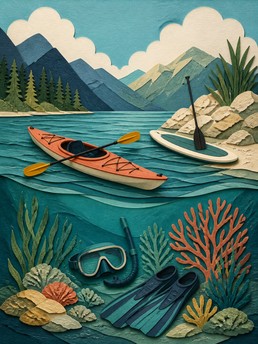 Wassersport Abenteuer: Erforsche die Tiefen des Meeres und die Weite der Seen
 Strandurlaub: Entspanne an weißen Sandstränden
 Erstaunliche Städte, die es zu entdecken gilt: Die Wunder der Großstädte erkunden
 Ein gesundes Mittagessen bei der Arbeit
 Warum ist Frühstück so wichtig?
 Lustige Fakten über die Madagascar-Filme
 Kevin – Allein zu Haus - Interessante Fakten, die du über die Filme nicht wusstest
 Die heilende Kraft menschlicher Verbindungen in einer manchmal einsamen Welt
 Die Liebe, die sie am meisten begehrt, der Respekt, den er dringend braucht
 Der einzige Unterschied zwischen Erfolg und Misserfolg
 Die Rolle der Soft Skills in der modernen Bildung
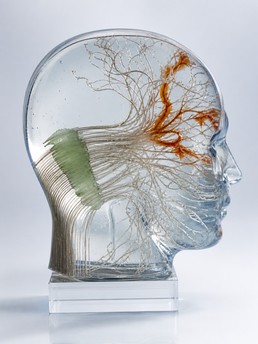 Die Wissenschaft der Meinungsänderung
 Alles neu definieren. Finde dich zuerst
 Die 5 Liebessprachen
 Das Leben ist vorbei. Was kommt als Nächstes?
 Eine Fernbeziehung zum Erfolg führen
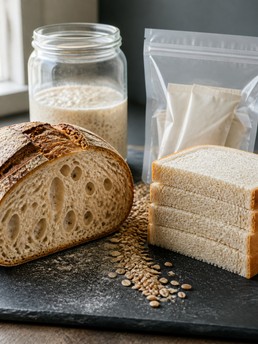 Sauerteig vs. Weißbrot: Was sollten wir essen?
 Die Pflege deines Geistes: Mentale Gesundheit und wie du sie erhalten kannst
 Die überraschenden Lebensmittel, die zu besserem Schlaf führen
 Green Book: Was der Film uns lehrt
 Der Teufel trägt Prada: Was der Film uns lehrt
 Die geheime spirituelle Kunst, im Beruf erfolgreich zu sein
 Du bist beschäftigt, aber nicht müde? Vielleicht hast du einfach vergessen, wie sich echte Erholung anfühlt
 Kaffee reduzieren? Warum sich deine Träume stärker anfühlen können
 Die Psychologie des optimalen Erlebens
 Mundgesundheit und Zahnpflege: Erhaltung eines gesunden Mundes und zahnärztliche Prävention
 Wie Lärmempfindlichkeit Geist, Gehirn und Körper stört
 Du bist nicht ausgebrannt. Du lebst nur auf Pause
 Wie die erfolgreichsten Menschen von zu Hause aus arbeiten
 Wie lange kannst du wach bleiben? Erforschung der Grenzen des menschlichen Körpers
 Menschen erinnern sich nicht an Folien. Sie erinnern sich daran, wie Sie sie fühlen ließen
 Die Schule für Astronauten im Inneren eines Schweizer Berges
 Gewohnheiten zum Aufbau starker und bedeutsamer Beziehungen
 Gesundheit am Arbeitsplatz: Strategien für das Wohlbefinden
 Gewohnheiten zur Förderung des kreativen Denkens und der Innovation
 Achtsame Gewohnheiten zur Stressreduktion und Steigerung des Wohlbefindens
 Eine kurze Geschichte der Menschheit
 Führung am Arbeitsplatz: Ein effektiver Leader werden
 Die Geheimnisse von Emily in Paris: Was die Serie uns wirklich zeigt
 Die Macht der Kontinuität: Wie kleine Gewohnheiten zu großen Ergebnissen führen