Why stories work for beginners in German
German looks harder on the page than it is: long words, verbs at the end. A short story is the easiest place to get used to both. The ones here are 1,100 to 1,800 words, twelve to eighteen minutes each, and put characters you know into new adventures: Cinderella, Aladdin, Mowgli, Thumbelina.
Written German tells stories in the Präteritum: sie wuchs, er starb, sie versuchte. You rarely hear these forms in conversation, where people use the Perfekt, so a course may not show them to you for months. Then every story turns out to be full of them. Reading is where you learn them.
How to read a German story as a beginner
Read to the end of the sentence before you decide you are lost. German keeps a verb, or half of one, for the last position, as in sie kehrte in die Werkstatt zurück, and the sentence only makes sense once you get there.
Tap the long words. Schokoladenmaschine is only Schokolade and Maschine; a tap shows the meaning, and after a while you start taking compounds apart yourself.
Then read again with the audio on, and save the words you want to keep. They come back in short, spaced reviews until you know them.
Questions beginners ask
- How much German do I need for these stories?
- For the A1 retellings, the present tense and a few hundred words. The A2 stories are in the Präteritum; you do not need to produce those forms, only to recognise them, and a tap gives you the meaning of any you have not seen.
- Why do the stories say ging and sah instead of ist gegangen?
- Because that is how German is written. The Perfekt belongs to speech; the Präteritum belongs to stories, news and books. To read German you need to recognise both, and stories are the gentlest way to meet the second.
- What should I read after these stories?
- The B1 stories on this page, then B1 retellings such as Harry Potter und der Stein der Weisen and Der Kleine Prinz.
 Lingard
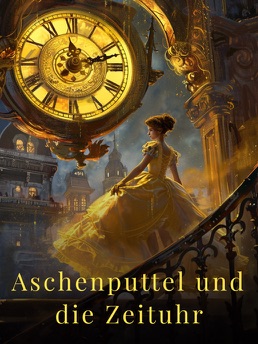 Aschenputtel und die Zeituhr
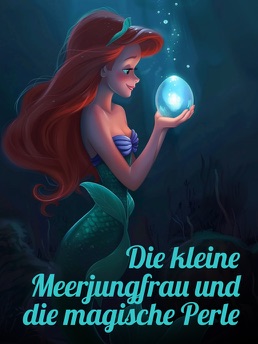 Die kleine Meerjungfrau und die magische Perle
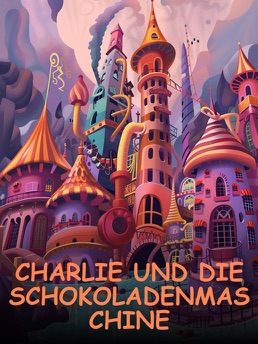 Charlie und die Schokoladenmaschine
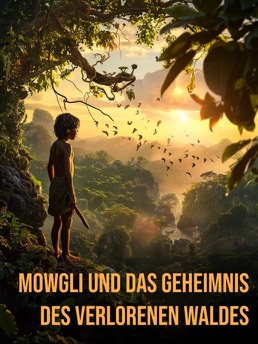 Mowgli und das Geheimnis des verlorenen Waldes
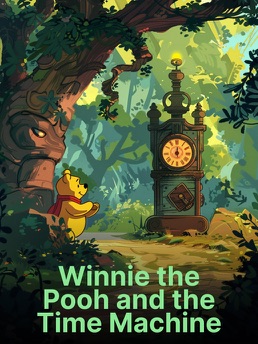 Winnie-the-Pooh und die Zeitmaschine
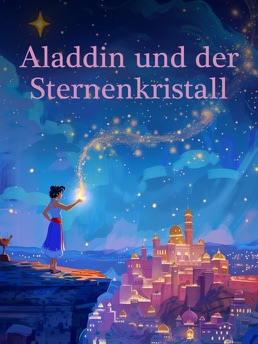 Aladdin und der Sternenkristall
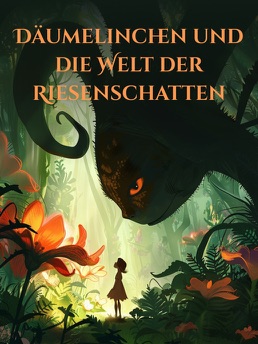 Däumelinchen und die Welt der Riesenschatten
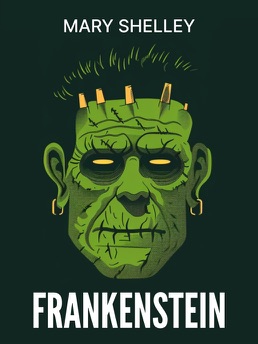 Frankenstein
 Der Piano-Mann
 Ariadnes Geschichte
 Saladin
 V steht für Vampir
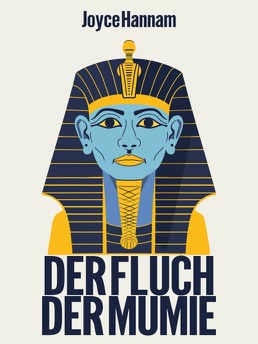 Der Fluch der Mumie
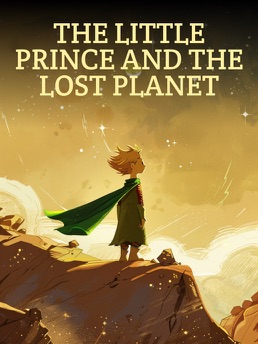 Der Kleine Prinz und der verlorene Planet
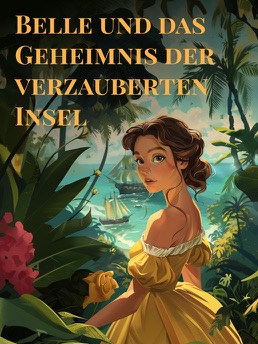 Belle und das Geheimnis der verzauberten Insel
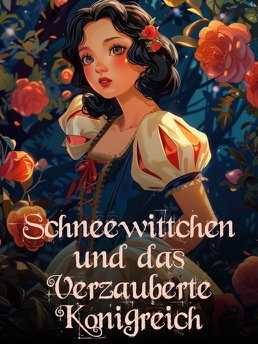 Schneewittchen und das Verzauberte Königreich
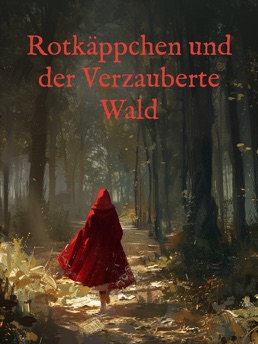 Rotkäppchen und der Verzauberte Wald
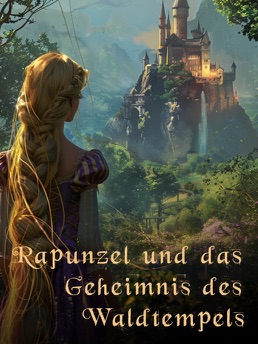 Rapunzel und das Geheimnis des Waldtempels
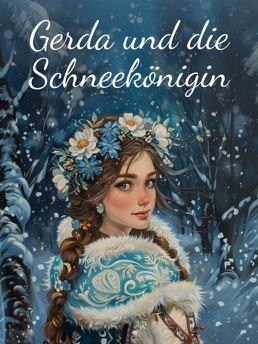 Gerda und die Schneekönigin
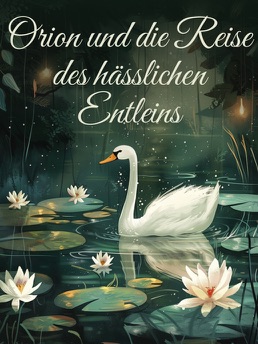 Orion und die Reise des hässlichen Entleins
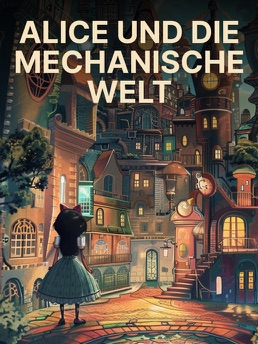 Alice und die mechanische Welt
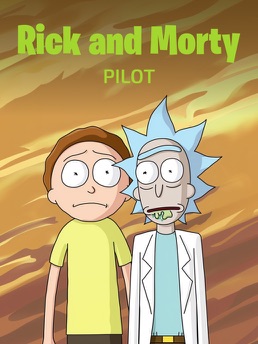 Rick and Morty: "Pilot"
 Erster Job Chat
 Hallo!
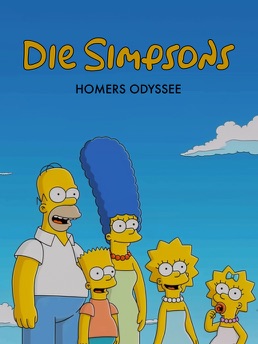 Die Simpsons: "Homers Odyssee"
 Mein Morgenablauf
 Über unsere besten Freunde plaudern