German is easier one short story at a time
A German sentence keeps you waiting: the verb that tells you what happened often comes last. In a short story the sentences are short too, and you get used to waiting before a novel asks you to do it for half a page. This page puts the stories in order of difficulty: fifteen tales written for learners at A2, B1 and B2, then stories you already know, retold at B1, and at the end the classics in full.
German short fiction is at home in the fairy tale, and every learner knows how one begins: Es war einmal. The Märchen of Andersen are here in German, and so are the Erzählungen of Kafka, whose sentences are plainer than his reputation suggests.
How to choose a German story at your level
Open an A2 story and read the first page. If you tap fewer than one word in ten, you are on the right shelf. If you tap almost nothing, move to B1.
Stories are told in the Präteritum, which German hardly uses in speech: ging, sah, kam, nahm. Tap a form and you see its verb. Long compounds work the same way: a tap on Schokoladenmaschine gives you the whole word, not two guesses.
Listen as you read. German spelling is regular, so the audio confirms what you see, and you hear where the stress falls in a word of five syllables.
Questions beginners ask
- How long does one story take?
- The stories written for learners take twelve to twenty minutes. The retellings take from half an hour. Blumfeld by Kafka is an evening or two.
- Are the classics simplified?
- No, they are the full text. Kafka is in the original German; Andersen, Conan Doyle, Kipling and Mark Twain are in German translation. Only the first three shelves are written or retold for learners.
- Do I need the Präteritum before I start?
- No. The A2 stories use it from the first line, and that is how most learners finally learn it: by seeing war, hatte and ging fifty times in a story they want to finish.
 Lingard
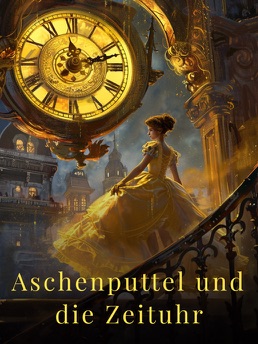 Aschenputtel und die Zeituhr
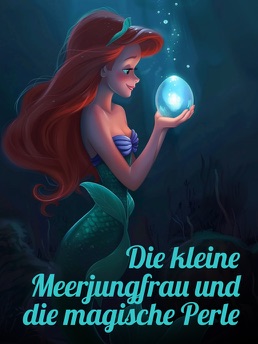 Die kleine Meerjungfrau und die magische Perle
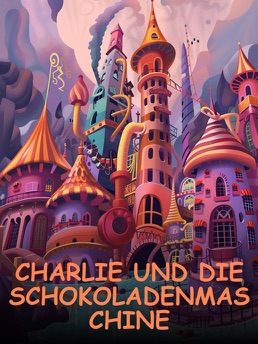 Charlie und die Schokoladenmaschine
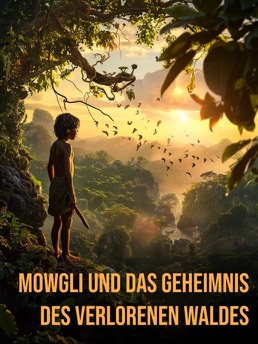 Mowgli und das Geheimnis des verlorenen Waldes
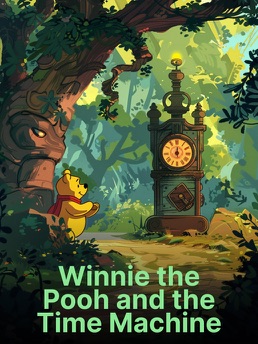 Winnie-the-Pooh und die Zeitmaschine
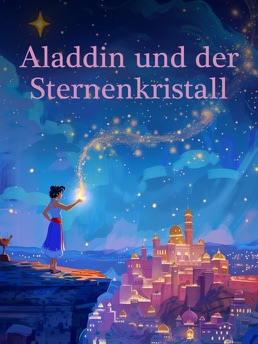 Aladdin und der Sternenkristall
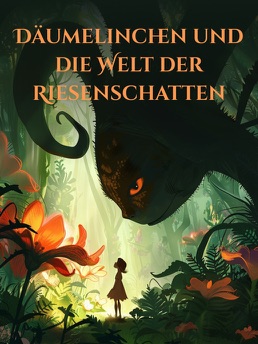 Däumelinchen und die Welt der Riesenschatten
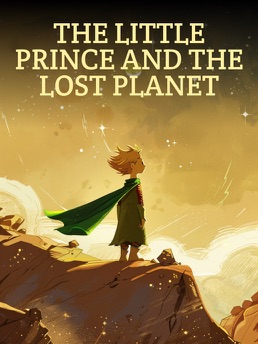 Der Kleine Prinz und der verlorene Planet
 Belle und das Geheimnis der verzauberten Insel
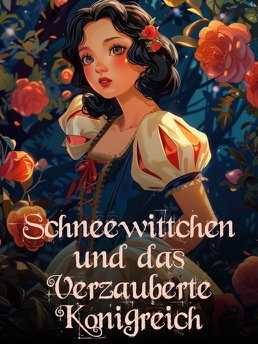 Schneewittchen und das Verzauberte Königreich
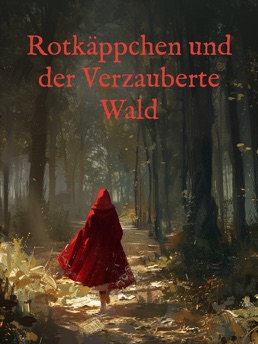 Rotkäppchen und der Verzauberte Wald
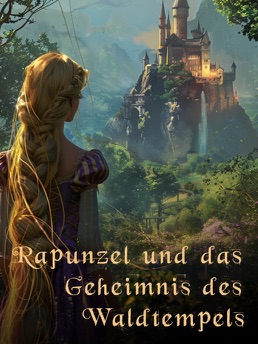 Rapunzel und das Geheimnis des Waldtempels
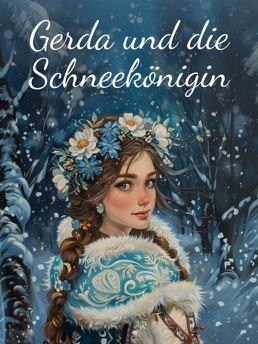 Gerda und die Schneekönigin
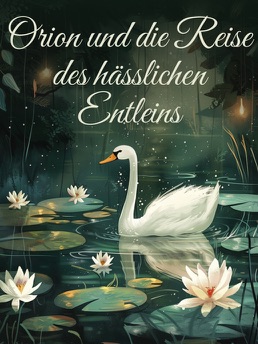 Orion und die Reise des hässlichen Entleins
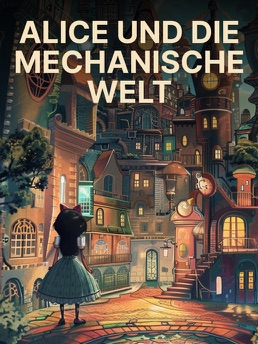 Alice und die mechanische Welt
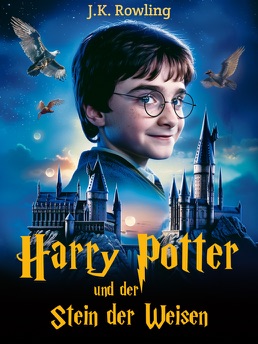 Harry Potter und der Stein der Weisen
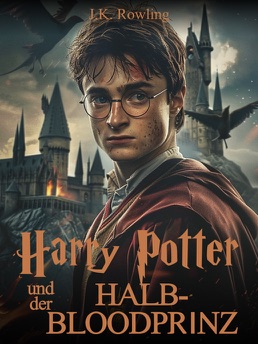 Harry Potter und der Halbblutprinz
 Emily in Paris Staffel 3
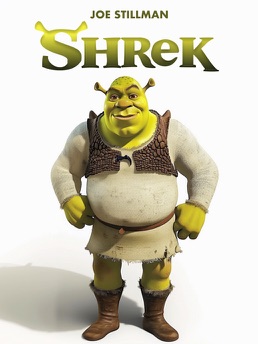 Shrek
Shrek
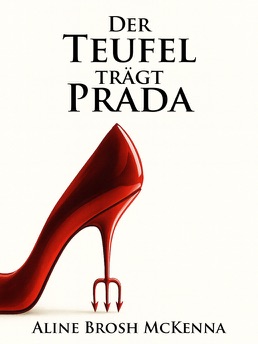 Der Teufel trägt Prada
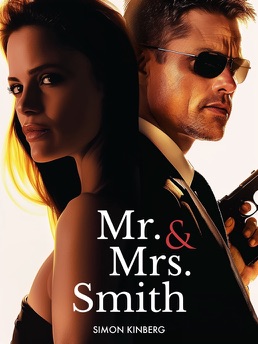 Mr. & Mrs. Smith
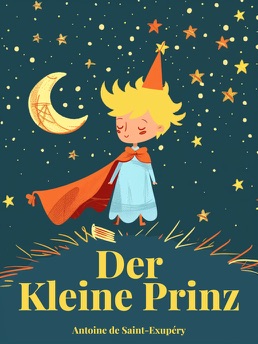 Der Kleine Prinz
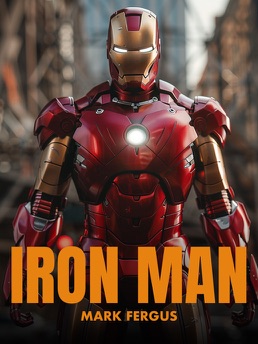 Iron Man
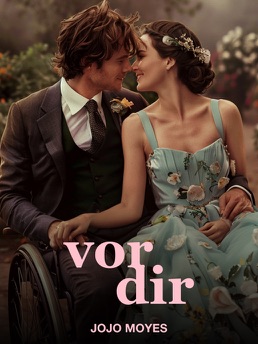 Vor dir
 Emily in Paris Staffel 4
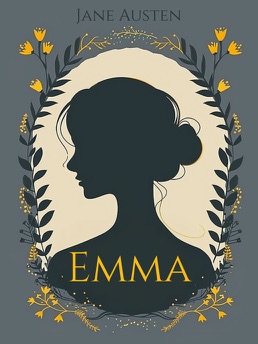 Emma
Emma
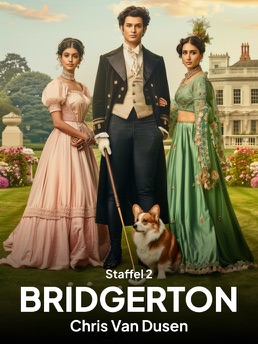 Bridgerton Staffel 2
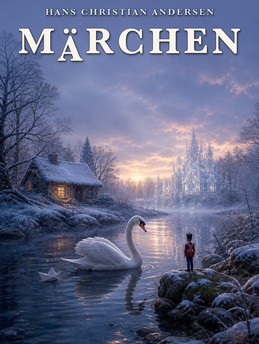 Märchen
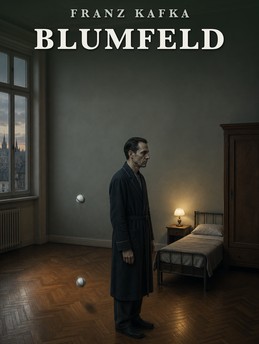 Blumfeld
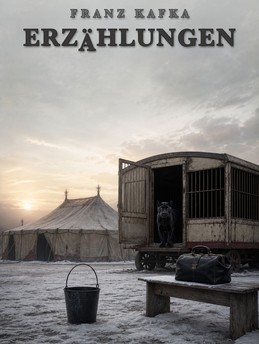 Erzählungen
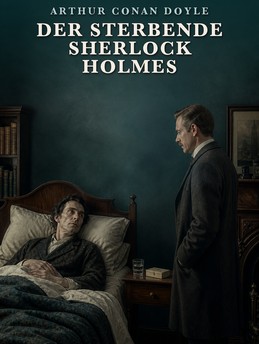 Der sterbende Sherlock Holmes
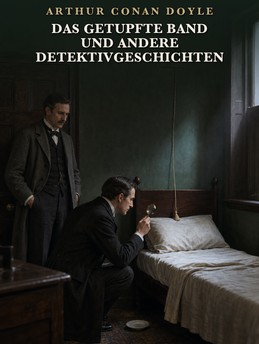 Das getupfte Band und andere Detektivgeschichten
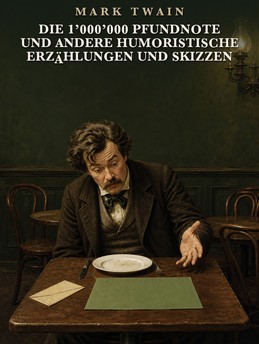 Die 1,000,000 Pfundnote und andere humoristische Erzählungen und Skizzen
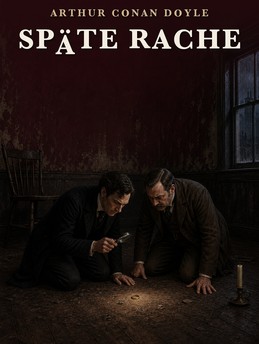 Späte Rache
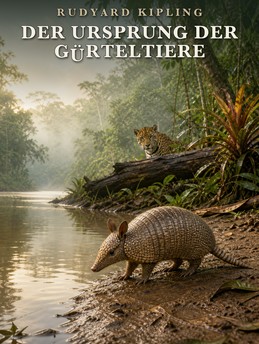 Der Ursprung der Gürteltiere
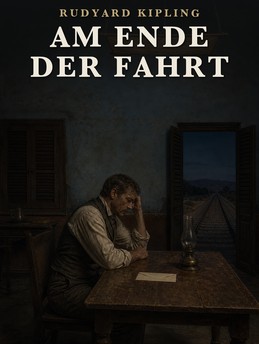 Am Ende der Fahrt
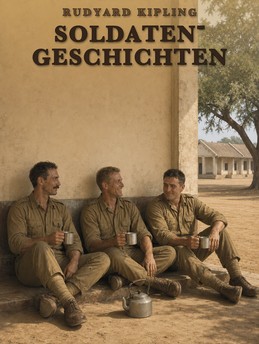 Soldatengeschichten