French short stories, from fairy tales to Maupassant
France gave the short story its master: Maupassant wrote some three hundred of them, most only a few pages long. Before you read him, this page gives you stories of your own level: fifteen tales written for learners at A2, B1 and B2, then stories you already know, retold at B1, and at the end the classics in the original.
Contes de la Bécasse is the place to meet him: seventeen stories of about 2,000 words each, told by hunters around a dinner table. Each is a classic you can finish in one sitting, and the next one starts from nothing, so a hard story costs you one evening and not the whole book.
How to choose a French story at your level
Open an A2 story and read the first page. If you tap fewer than one word in ten, that shelf is yours. If you tap almost nothing, move to B1.
Written French narrates in the passé simple, a tense nobody speaks: il fut, elle prit, ils virent. Textbooks leave it for later; stories use it from the first paragraph. Tap a form and you see its verb, and by the third story you recognise them without a table.
Listen as you read. French drops most final letters and links words together, so the sentence you hear is shorter than the one you see. Reading with the audio brings the two together.
Questions beginners ask
- How long does one story take?
- The stories written for learners take ten to fifteen minutes. The retellings take from half an hour. Le port takes twenty minutes, and Contes de la Bécasse is seventeen separate stories.
- Are the classics simplified?
- No. They are the full text: Maupassant, Stendhal and Mérimée in the original French, Poe and Dostoevsky in French translation. Only the first three shelves are written or retold for learners.
- Which classic should I read first?
- Le port, then any story from Contes de la Bécasse. Maupassant writes in everyday words and short paragraphs, which is why French schools read him too.
 Lingard
 La Petite Sirène et la Perle Magique
 Charlie et la Machine à Chocolat
 Aladdin et le Cristal Étoile
 Mowgli et le mystère de la forêt perdue
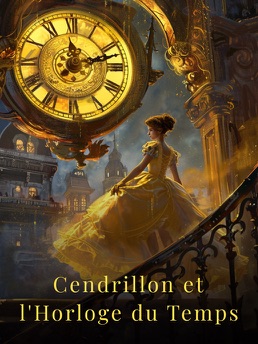 Cendrillon et l'Horloge du Temps
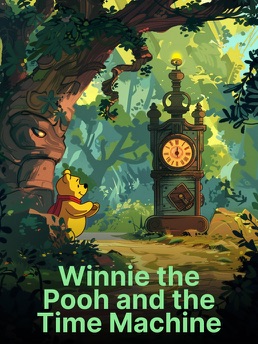 Winnie l'Ourson et la Machine à Voyager dans le Temps
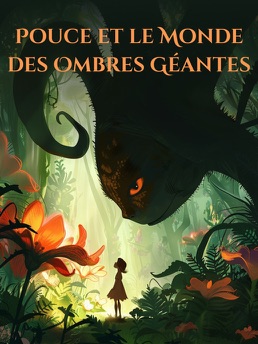 Pouce et le Monde des Ombres Géantes
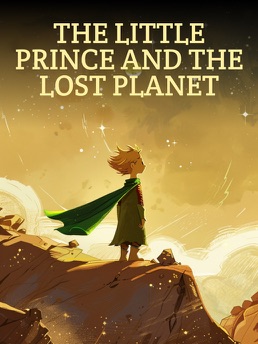 Le Petit Prince et la Planète Perdue
 Le Petit Chaperon Rouge et la Forêt Enchantée
 Raiponce et le Secret du Temple de la Forêt
 Blanche-Neige et le Royaume Enchanté
 Belle et le Mystère de l'Île Enchantée
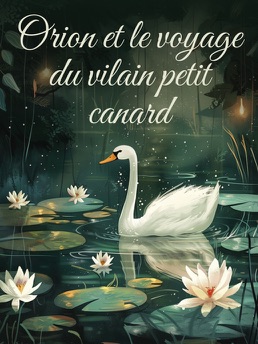 Orion et le voyage du vilain petit canard
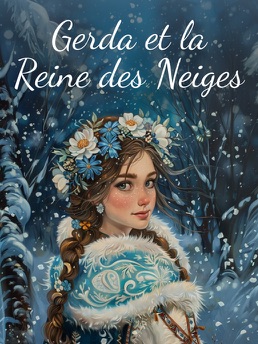 Gerda et la Reine des Neiges
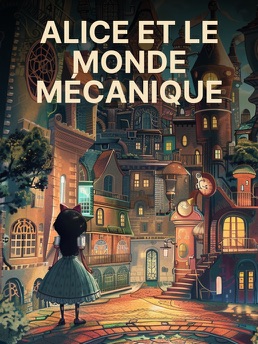 Alice et le Monde Mécanique
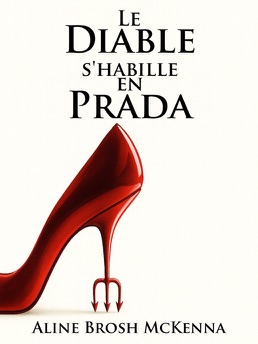 Le Diable s'habille en Prada
 Emily à Paris Saison 3
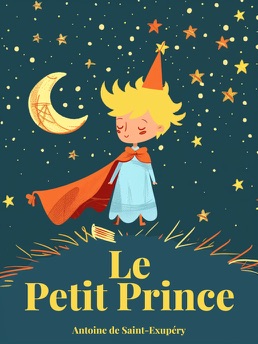 Le Petit Prince
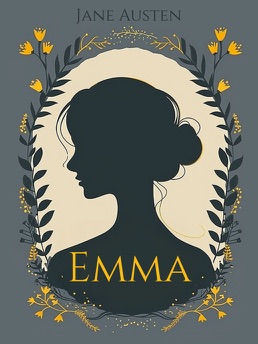 Emma
Emma
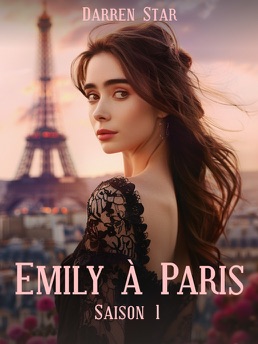 Emily à Paris - Saison 1
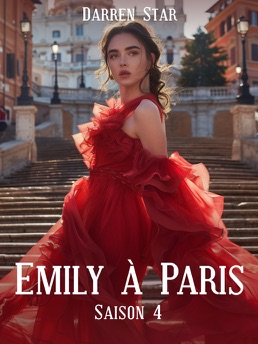 Emily à Paris Saison 4
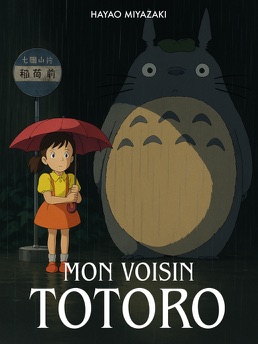 Mon Voisin Totoro
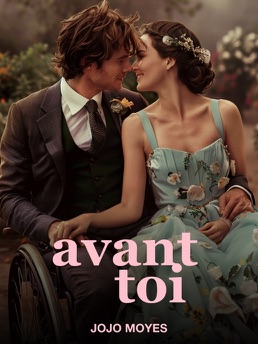 Avant Toi
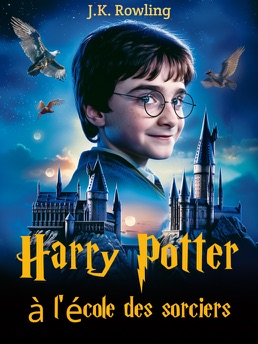 Harry Potter à l'école des sorciers
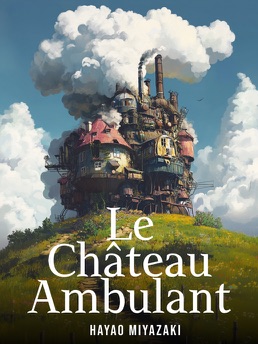 Le Château Ambulant
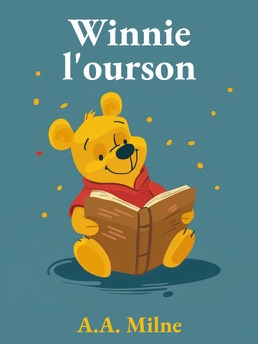 Winnie l'ourson
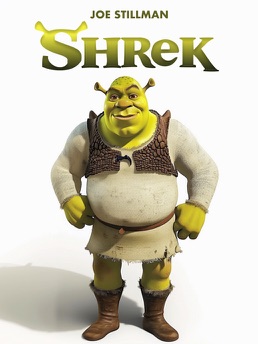 Shrek
Shrek
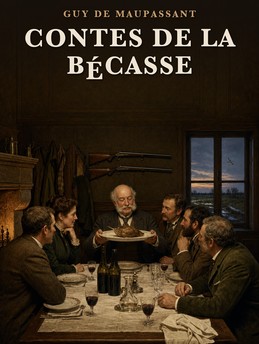 Contes de la Bécasse
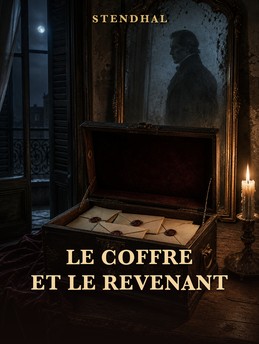 Le Coffre et le Revenant
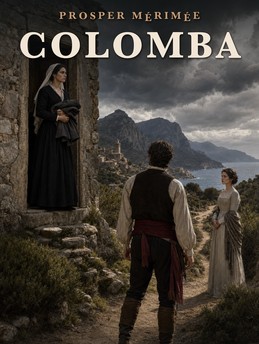 Colomba
 Point de Lendemain
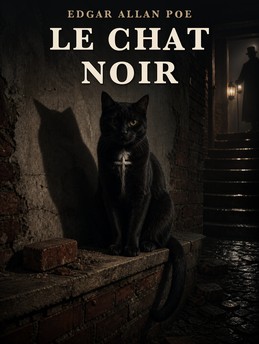 Le Chat noir
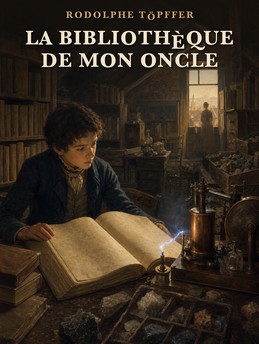 La bibliothèque de mon oncle
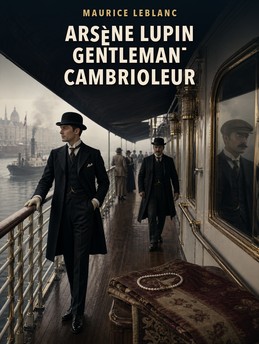 Arsène Lupin, Gentleman-Cambrioleur
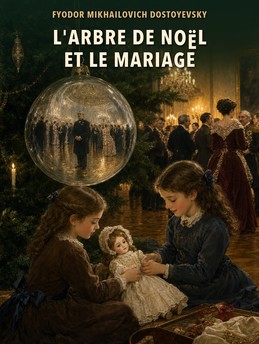 L'arbre de Noël et le mariage
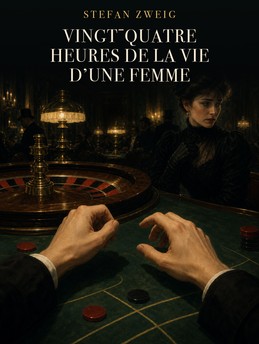 Vingt-quatre heures de la vie d’une femme
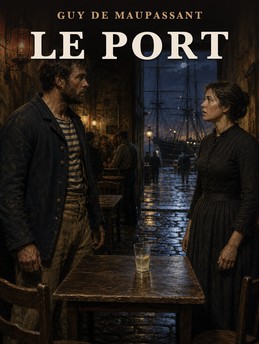 Le port
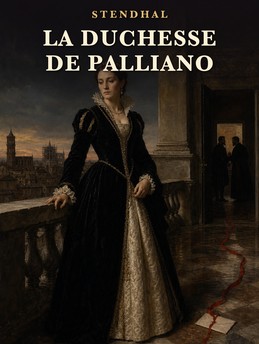 La Duchesse de Palliano
 Le Rosier de Mme Husson