Spanish reads best in short stories
The cuento is the pride of writing in Spanish, from the legends of Bécquer to the jungle of Quiroga. For a learner it has a plainer virtue: it ends. This page puts the stories in order of difficulty: fifteen tales written for learners at A2, B1 and B2, then stories you already know, retold at B1, and at the end classic stories in full.
Horacio Quiroga wrote Cuentos de la selva for his own children: eight stories about the animals of the Misiones jungle, in short sentences and everyday words. It is the classic most learners can read first. Poe is here too, in Spanish translation: El corazón delator is about 2,000 words, a classic you finish in one evening.
How to choose a Spanish story at your level
Open an A2 story and read the first page. If you tap fewer than one word in ten, stay on that shelf. If you tap almost nothing, move to B1.
Written Spanish narrates in the pretérito, and its irregular forms look nothing like their infinitives: fue, tuvo, dijo, hizo. Tap one and you see the verb behind it. After three or four stories you stop tapping them.
In the classics, expect the vosotros forms and long sentences in the subjunctive. Do not stop to analyse each one: read for the story, and save only the words you want to keep.
Questions beginners ask
- How long does one story take?
- The stories written for learners take ten to fifteen minutes. The retellings take from half an hour. Among the classics, El corazón delator takes about twenty minutes, and Cuentos de la selva is eight separate stories.
- Are the classic stories simplified?
- No. They are the full text, in the original Spanish or in a published translation. Only the first three shelves are written or retold for learners.
- Is the Spanish on this page from Spain or from Latin America?
- Both. Quiroga wrote in Uruguay and Argentina, Blasco Ibáñez and Julia de Asensi in Spain. The difference shows in a few words and in the vosotros forms, and a tap explains either.
 Lingard
 La Sirenita y la Perla Mágica
 Charlie y la Máquina de Chocolate
 Cenicienta y el Reloj del Tiempo
 Aladino y el Cristal Estelar
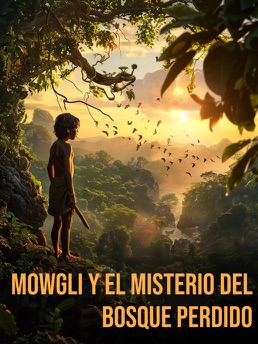 Mowgli y el misterio del bosque perdido
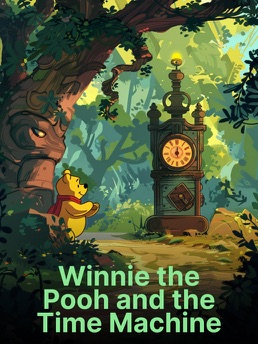 Winnie the Pooh y la Máquina del Tiempo
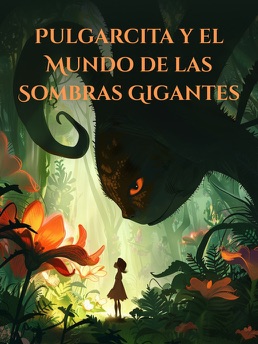 Pulgarcita y el Mundo de las Sombras Gigantes
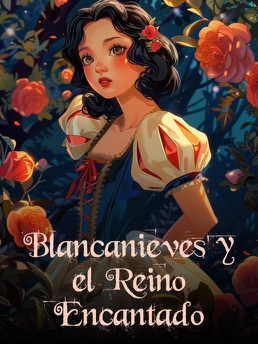 Blancanieves y el Reino Encantado
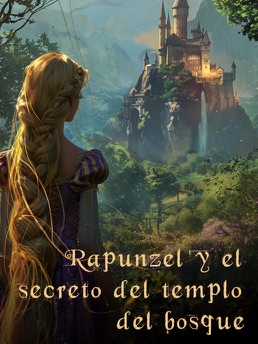 Rapunzel y el secreto del templo del bosque
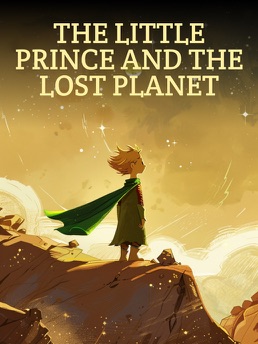 El Principito y el Planeta Perdido
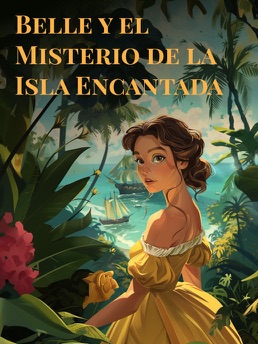 Belle y el Misterio de la Isla Encantada
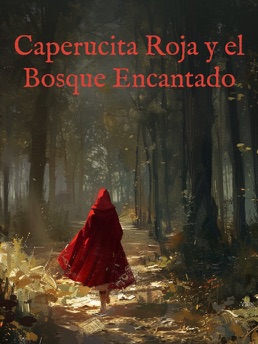 Caperucita Roja y el Bosque Encantado
 Gerda y la Reina de las Nieves
 Orión y el viaje del patito feo
 Alice y el Mundo Mecánico
 Harry Potter y la piedra filosofal
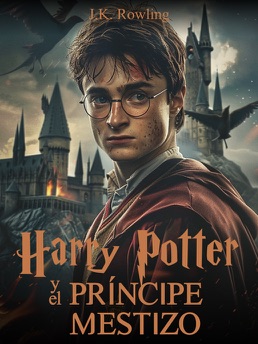 Harry Potter y el Príncipe Mestizo
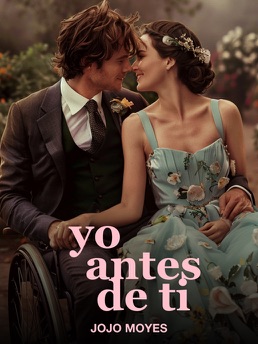 Yo Antes de Ti
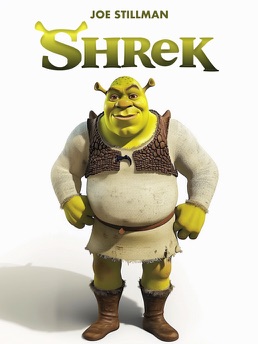 Shrek
Shrek
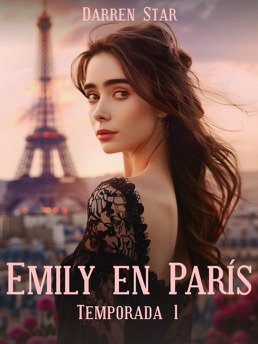 Emily en París Temporada 1
 Solo en Casa
 Emma
Emma
 El Principito
 Emily en París Temporada 3
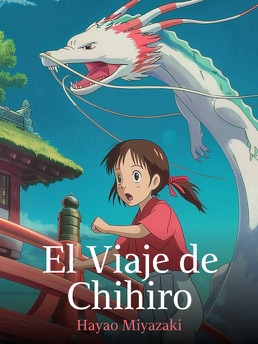 El Viaje de Chihiro
 Sr. y Sra. Smith
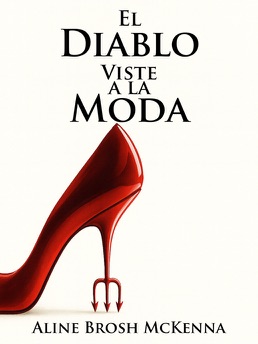 El Diablo Viste a la Moda
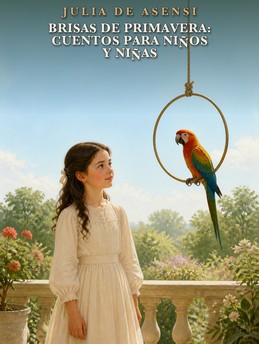 Brisas de primavera: cuentos para niños y niñas
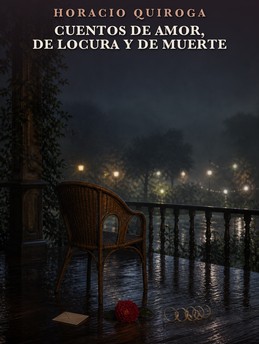 Cuentos de amor de locura y de muerte
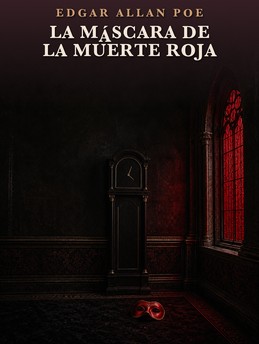 La máscara de la muerte roja
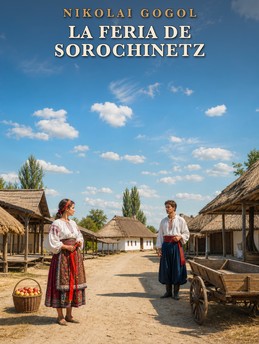 La feria de Sorochinetz
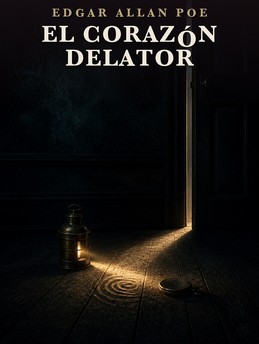 El corazón delator
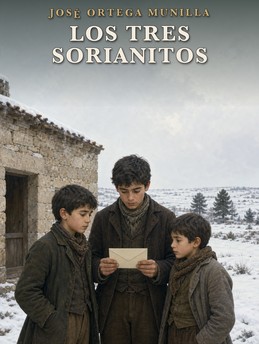 Los tres sorianitos
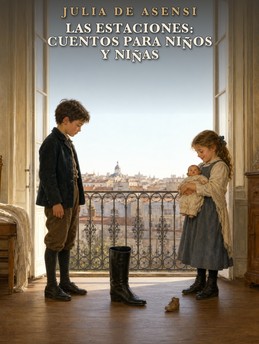 Las Estaciones: Cuentos para niños y niñas
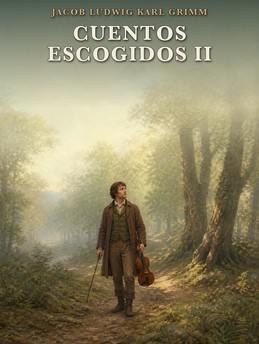 Cuentos escogidos II
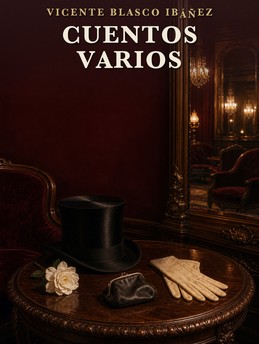 Cuentos varios
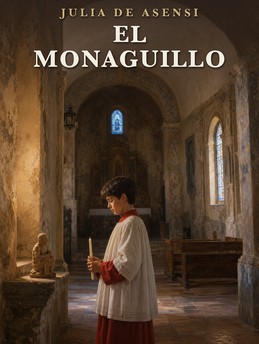 El monaguillo
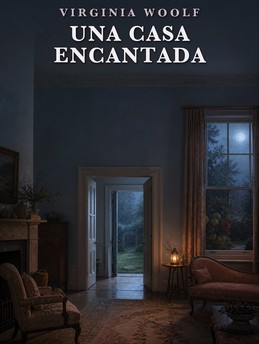 Una casa encantada
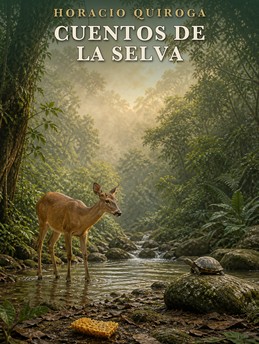 Cuentos de la selva