An honest reading list for beginners
A novel written for native speakers makes a hard first book: at A1 or A2 you would need a dictionary for every other line. A first book has to be one you can finish. This list is a ladder: books retold at A1 and A2, then famous stories retold at B1, then short unabridged classics.
Spanish helps a beginning reader in one way: it is written as it is spoken, so every page also trains your ear. The work is in the verbs, with dozens of forms each. Reading turns that table into something familiar: you meet dijo, tenía and fue so often that you recognise them long before you could conjugate them.
How to choose a Spanish book at your level
You are at the right level when you understand about nine words in ten without help. The retold books carry a CEFR level, so start at A1, and when a book feels easy, take the next one a level up.
Tap rather than translate. A tap shows what a word means in its sentence. That is useful in Spanish, where a single form such as fuimos can come from ir or from ser, and you keep reading instead of opening a dictionary.
Listen as you read, and save the words you want. They return in short, spaced reviews until you know them.
Questions beginners ask
- Can a beginner read a real Spanish novel?
- Not comfortably. Begin with the retold books above; by B1, a short unabridged classic such as El gato negro is readable with a tap here and there.
- Is El Principito a good first book in Spanish?
- It is short, but not easy: it is told in the past tenses and full of abstract words. Lingard has it retold at B1, which is where most learners can enjoy it.
- Which Spanish book should I read first?
- Frankenstein at A1 if you are just starting; La Historia de Ariadna at A2 if you already read simple texts. For something shorter, start with the short stories for beginners.
 Lingard
 El Hombre del Piano
 Frankenstein
 V es para Vampiro
 La Historia de Ariadna
 Saladino
 La Maldición de la Momia
 Harry Potter y la piedra filosofal
 Harry Potter y el Príncipe Mestizo
 Yo Antes de Ti
 Shrek
Shrek
 Emily en París Temporada 1
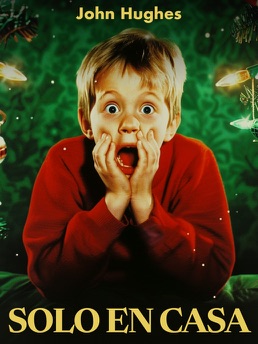 Solo en Casa
 Emma
Emma
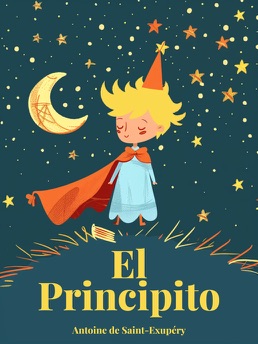 El Principito
 Emily en París Temporada 3
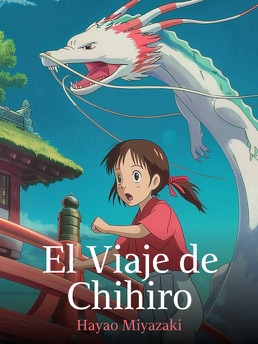 El Viaje de Chihiro
 Sr. y Sra. Smith
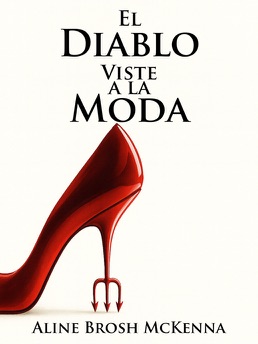 El Diablo Viste a la Moda
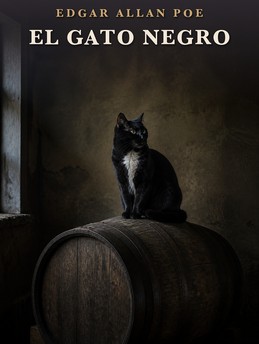 El gato negro
 La media naranja
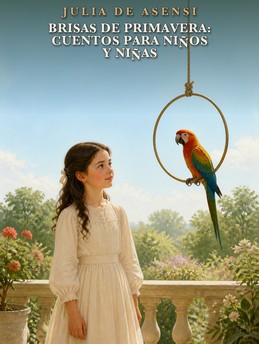 Brisas de primavera: cuentos para niños y niñas
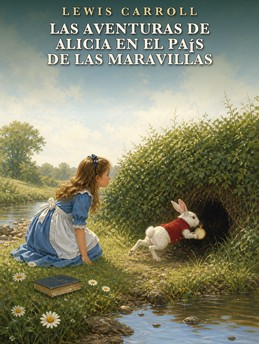 Las aventuras de Alicia en el País de las Maravillas
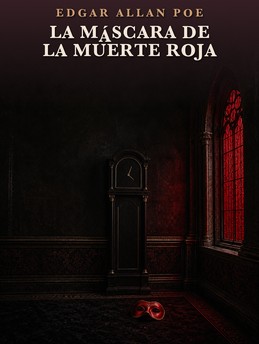 La máscara de la muerte roja
 La feria de Sorochinetz