Why a short story is the right first read in Spanish
Ten minutes of Spanish that you understand are worth more than an hour that you do not. The stories on this page are 900 to 1,500 words long and give familiar characters a new adventure: the Little Mermaid, Cinderella, Aladdin, Mowgli. The plot helps you where the vocabulary runs out.
Spanish tells stories in two past tenses at once. The imperfecto sets the scene (los jardines estaban llenos de flores) and the pretérito moves the action forward. No rule explains the difference as well as a few stories do: after two or three, you begin to feel which one a sentence needs.
How to read a Spanish story as a beginner
First read it through without stopping at every new word. Tap the ones that block a sentence: Lingard shows what the word means right there. That is a real help in Spanish, where one verb form carries person and tense together: tap tenía or fue and you see the meaning without hunting for the infinitive.
Then listen while you read. Spanish is written almost exactly as it is spoken, so audio and text confirm each other, and you pick up the rhythm of whole sentences rather than single words.
Keep the words you want: saved words return in short, spaced reviews until they stick.
Questions beginners ask
- How much Spanish do I need for these stories?
- The A1 retellings work once you know the present tense of common verbs. The A2 stories are told in the past; it helps to recognise the imperfecto endings -aba and -ía, and any form you do not know is one tap away.
- Why read stories instead of a textbook?
- Do both. A Spanish verb has dozens of forms; a textbook lays them out in a table, and a story shows you the ten that matter, again and again, until you recognise them without thinking.
- What should I read after these stories?
- The B1 stories on this page, then the B1 retellings of Harry Potter y la piedra filosofal and El Principito.
 Lingard
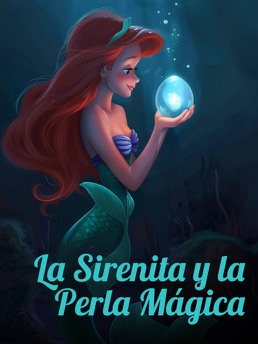 La Sirenita y la Perla Mágica
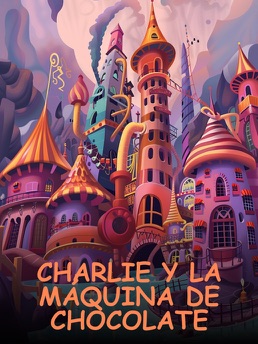 Charlie y la Máquina de Chocolate
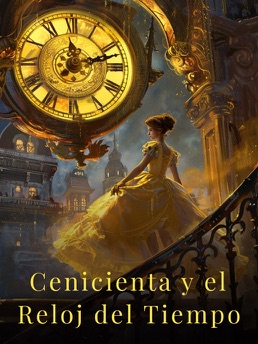 Cenicienta y el Reloj del Tiempo
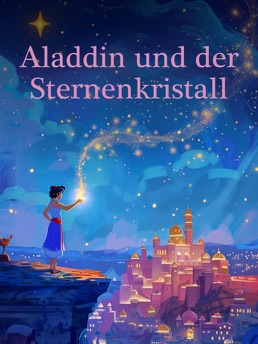 Aladino y el Cristal Estelar
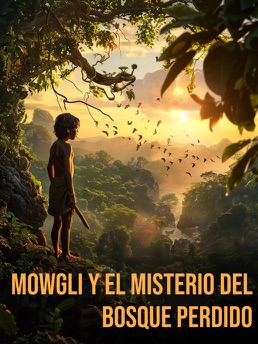 Mowgli y el misterio del bosque perdido
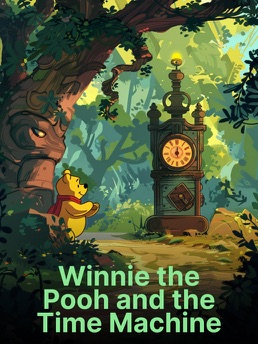 Winnie the Pooh y la Máquina del Tiempo
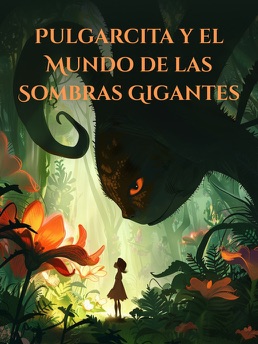 Pulgarcita y el Mundo de las Sombras Gigantes
 El Hombre del Piano
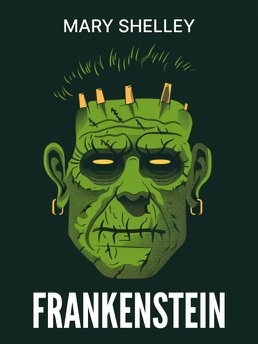 Frankenstein
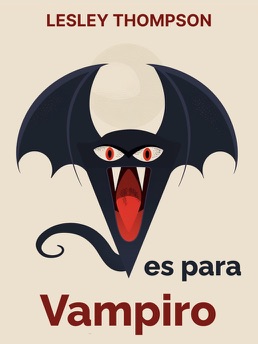 V es para Vampiro
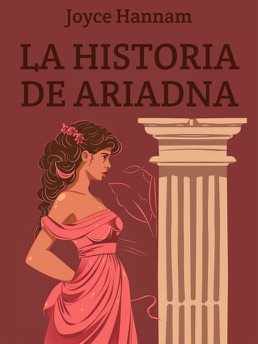 La Historia de Ariadna
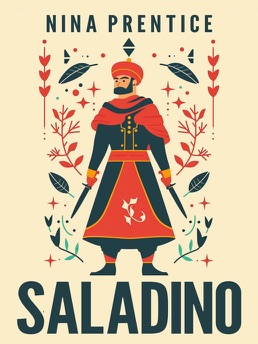 Saladino
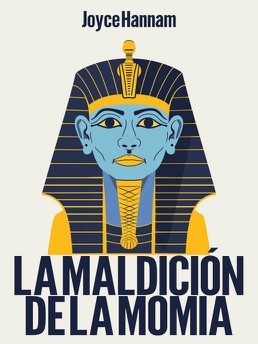 La Maldición de la Momia
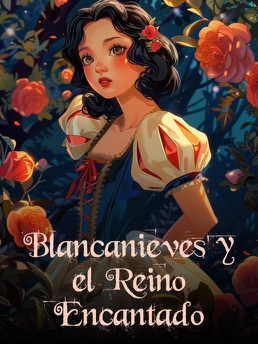 Blancanieves y el Reino Encantado
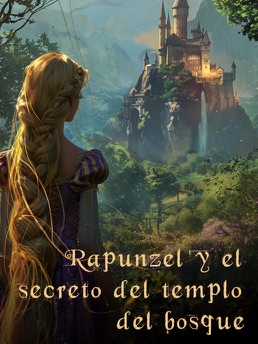 Rapunzel y el secreto del templo del bosque
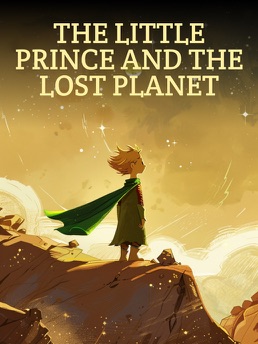 El Principito y el Planeta Perdido
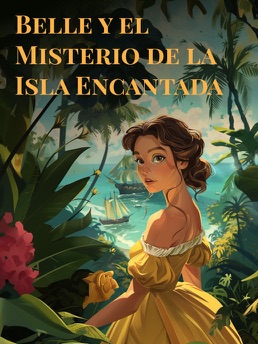 Belle y el Misterio de la Isla Encantada
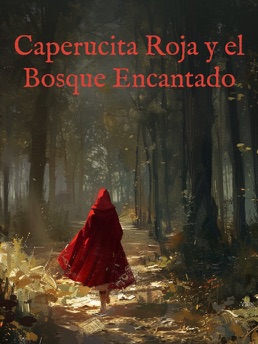 Caperucita Roja y el Bosque Encantado
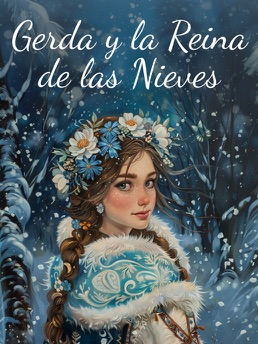 Gerda y la Reina de las Nieves
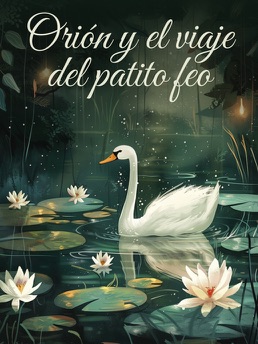 Orión y el viaje del patito feo
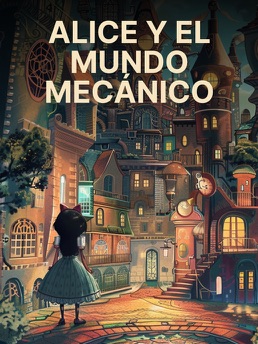 Alice y el Mundo Mecánico
 ¡Hola!
 Primer trabajo Chat
 Rick and Morty: "Piloto"
 Conversando sobre Nuestros Mejores Amigos
 Hablando de Colores Favoritos
 Mi Rutina Mañanera