Reading practice that ends with questions
Reading practice works best with texts that are short, about something you care about and a little above your level. The articles on this page were written for learners of English at four CEFR levels, from texts of 150 words at A1 to essays of about 1,000 words at B2, on what adults read about anyway: food, travel, films, health, science and work.
Almost every article ends with a few comprehension questions, like the ones in the reading part of IELTS or Cambridge. Answer them in Lingard when you finish: they show at once whether you understood the text or only recognised its words. Tap a word you do not know to see its translation and save it for review.
How to practise reading in English
Choose a level where you tap fewer than one word in ten. At B1 many of the words you tap will be phrasal verbs like give up or figure out: they look easy and mean something else. If you tap more than one word in ten, go down a shelf; if you tap almost none, go up.
Read the whole article once without stopping, then answer the questions. English questions often turn on one small word such as not, only or still, so for each question you missed, go back and find the sentence that decides it.
Save the words you expect to meet again, not every new one. Some English words have one spelling and two pronunciations, like read and live, so play a word before you save it.
Questions beginners ask
- How long does one article take?
- An A1 text of about 200 words takes two or three minutes. The longest essays at B2, near 1,000 words, take about ten. Every card shows its reading time.
- Is this good practice for an exam?
- Yes, for the reading part of IELTS, Cambridge or TOEFL at the same level: a text of a few hundred words and questions about it. The questions here do not follow any exam's format, so practise the format itself with an official sample paper.
- What if an article is too hard?
- Go down a level for a week and come back. Inside an article you can tap a sentence you cannot follow to see it translated.
 Lingard
 Interesting Drinks in Different Countries
 Massage: Health and Relaxation
 Healthy Digestion: Basic Tips
 Family Travel: Create Lifelong Memories Together
 Healthy Breakfasts: Secrets to Starting Your Day with Energy
 Best Desserts in the World: A Variety of Sweet Delights
 Vegan Cooking: Delicious Plant-Based Recipes
 Beach Getaway: Relax on White Sandy Beaches
 Amazing Cities to Discover: Exploring Urban Wonders
 Bike Tours: Explore the City on Two Wheels
 Water Adventures: Explore the Depths of the Sea and the Vastness of Lakes
 A Healthy Lunch at Work
 Why is Breakfast so Important?
 Fun Facts About the Madagascar Movies
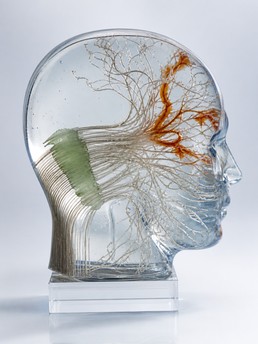 The Science of Changing Your Mind
 The Healing Power of Human Connection in a Sometimes Lonely World
 The Only Difference Between Success and Failure
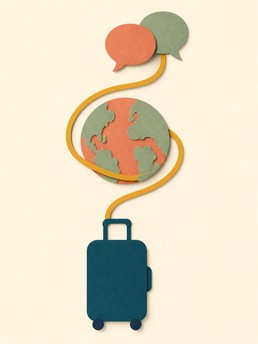 How to Combine Travel and Language Learning
 5 Love Languages
 The Love She Most Desires, the Respect He Desperately Needs
 Life is Over. What's Next?
 Redefine Everything. Find Yourself First
 Practical Mindfulness for Busy People
 Exotic Fruits: Discover New Tastes and Aromas
 Harry Potter: The Most Interesting Facts You Didn't Know
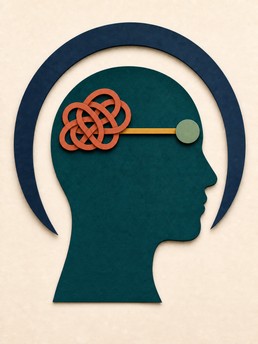 Taking Care of Your Mind: Mental Health and How to Maintain It
 You're busy, but not tired? Maybe you just forgot what real rest feels like
 The Devil Wears Prada: What the Film Teaches Us
 What You Didn't Know About Japan
 Green Book: What the Film Teaches Us
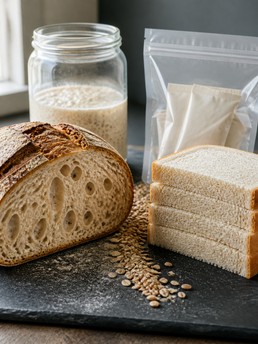 Sourdough vs White Bread: What Should We Be Eating?
 How noise sensitivity disrupts the mind, brain and body
 The Secret Spiritual Art of Succeeding at Work
 The surprising foods that lead to better sleep
 Habits of Self-Discipline for Personal and Professional Growth
 Italian Pizza: The Taste of Authentic Italian Cuisine
 Your IELTS Game Plan
 How the Most Successful People Work from Home
 People don't remember slides. They remember how you made them feel
 Habits for Building Strong and Meaningful Relationships
 How Long Can You Stay Awake? Exploring the Limits of the Human Body
 Habits to Enhance Creative Thinking and Innovation
 The school for astronauts hidden inside a Swiss mountain
 The Power of Consistency: How Small Habits Lead to Big Results
 Mindful Habits for Reducing Stress and Enhancing Well-Being
 Health in the Workplace: Strategies for Well-being
 Repeat to remember: how re-reading boosts fluency
 Cryptocurrency: Basics and Risks of Digital Investments